

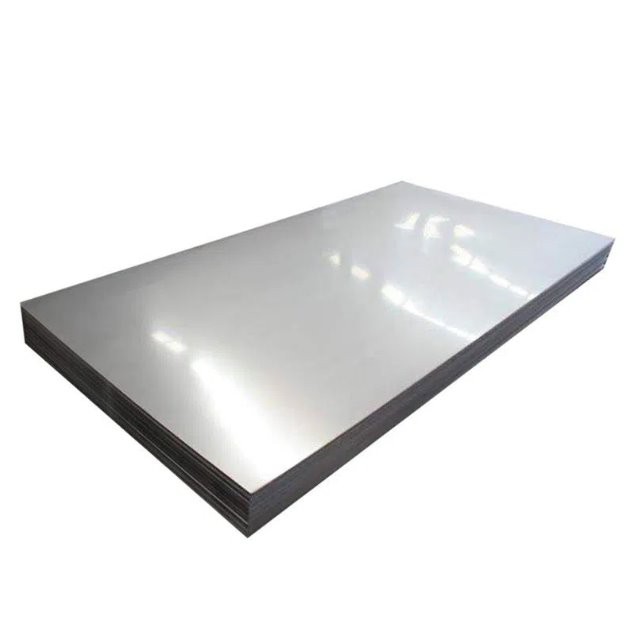
316l Stainless Steel Plate
316l Stainless Steel Plates have a smooth surface, high plasticity, toughness, and mechanical strength.
- Fast Delievery
- Quality Assurance
- 24/7 Customer Service
Product Introduction
Company Profile
Shandong Daye Pipes Co., Ltd. was established in 2006, as a professianl company with combined service covering trade and processing of stainless steel coil, sheet, rod ect, supported by ready stocks to meet requirements of prompt shipment.
We mainly sell stainless steel sheet, pipes, coils, bands, section bars and so on which are applied in decoration, medical industry, food industry, construction industry etc, and have gained gain good feedback and establish mutual trust with our clients.
Why Choose Us
Professional Team
Our cutting-edge facilities and our highly qualified team of professionals allow us to offer the complete range of forged steel flanges and high-spec forged components. Our product line features the highest standards of quality, productivity and reliability.
Quality Control
With years growth, we had achieved strategic cooperation with many stainless steel mills, including TISCO, BAOSTEEL, POSCO(ZPSS) and others prime grade.
Advanced Equipment
We have 2000 square meters of storage and processing center which covered equipment using in slitting, cutting in horizontal, laser cutting, plasma and grinding machine and embossing machine.
Custom Service
A. Stable quality: Coming from good materials and technic
B. Lower price: Not cheapest but the lowest at the same quality
C. Good service: Satisfactory service before and after sale
D. Delivery time: Within 15 days after we get 30% T/T from the buyer

Martensitic stainless steel, also called 420 stainless steel; high strength, but poor plasticity and weldability.
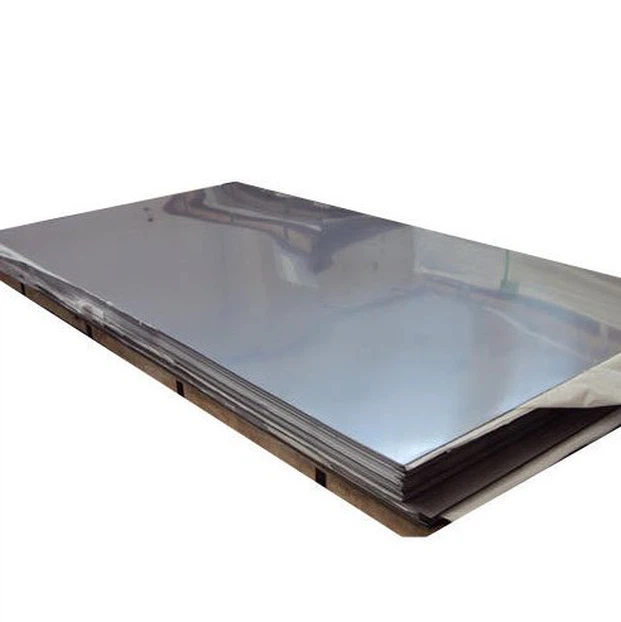
316 stainless steel, 06cr17ni12mo2 (old 0Cr17Ni12Mo2, American Standard s31608) has excellent corrosion resistance, atmospheric corrosion resistance and high temperature strength due to the addition of Mo, which can be used under cool conditions;

Stainless Steel Sheet Metal 4x8
Model number: 310S, 304 316
Type: Steel plate
Technique: Cold rolled
Standard: ASTM

Polished Stainless Steel Plate
Polishing is one of the important processes of surface treatment of 304L stainless steel plate. Basically, the stainless steel we see has been polished.

304 stainless steel plate is resistant to corrosion by sulfuric acid, phosphoric acid, formic acid, urea, etc., and is suitable for general water, control gas, wine, milk, CIP cleaning fluid and other occasions with low corrosiveness or no contact with materials.

304 stainless steel plate, I believe many people know, its steel is the most common and commonly used stainless steel among many stainless steels, its national brand number is 06cr19ni10, and its carbon content is about 0.07%.
What is 316l Stainless Steel Plate?
316l Stainless Steel Plates have a smooth surface, high plasticity, toughness, and mechanical strength. They are resistant to corrosion from acidic, alkaline gases, solutions, and other media. It is an alloy steel that does not rust easily, but it is not absolutely rust-proof. 316l Stainless Steel Plates refer to steel plates that are resistant to the corrosion of weak media such as atmosphere, steam, and water. In contrast, acid-resistant steel plates refer to those that are resistant to the corrosion of chemically corrosive media such as acids, alkalis, and salts.
Advantages of 316l Stainless Steel Plate
Corrosion resistance
The 316l Stainless Steel Plate has the ability to resist general corrosion similar to the unstable nickel-chromium alloy 304. Long-term heating in the temperature range of chromium carbide may affect alloys 321 and 347 in harsh corrosive media. Mainly used in high temperature applications, high temperature applications require materials to have strong sensitization resistance to prevent intergranular corrosion at lower temperatures.
High temperature oxidation resistance
316l Stainless Steel Plates have high temperature oxidation resistance, but the oxidation rate will be affected by inherent factors such as exposure environment and product form.


Physical properties
The total heat transfer coefficient of a metal depends on other factors besides the thermal conductivity of the metal. In most cases, the film heat dissipation coefficient, scale and metal surface condition. Stainless steel can keep the surface clean, so its heat transfer is better than other metals with higher thermal conductivity. Liaocheng Suntory Stainless Steel provides technical standards for 316l Stainless Steel Plates.
Fire And Heat Resistant
Embossed finish 316l Stainless Steel Plates are fire and heat-resistant, making them an ideal choice for construction and infrastructure that needs to be fire-safe. The high melting point of stainless steel makes it a suitable material for constructing structures that require high heat resistance such as power station chimneys, exhaust systems, and boilers.
Type of 316l Stainless Steel Plates
304 316l Stainless Steel Plate
Our 304 316l Stainless Steel Plate is hot rolled, annealed and pickled. The 304 316l Stainless Steel Plate does not have a polished or brushed finish and does not come with a protective PVC to prevent scratching as it is typically not used for aesthetic or cosmetic uses.
316L 316l Stainless Steel Plate
Our 316L 316l Stainless Steel Plate is hot rolled, annealed and pickled. The 316L 316l Stainless Steel Plate does not have a polished or brushed finish and does not come with a protective PVC to prevent scratching as it is typically not used for aesthetic or cosmetic uses.
304 Stainless Steel Diamond Floor Plate
Our 304 Stainless Steel Diamond Floor Plate has the same properties as the standard 304 stainless steel except it has the raised tread pattern to improve traction. Stainless steel diamond floor plate has a hot rolled, annealed and pickled (HRAP) finish and not the bright finish commonly seen on aluminum diamond tread plate. Its name reflects its most common use, which is flooring, or any other situation that traction may be needed, along with the high corrosion resistance and strength that 304 stainless steel provides.
There are many reasons why 316l Stainless Steel Plates are used for a wide variety of applications and products. One main reason is because of its high resistance to oxidation and corrosion. It is also resistant to abrasion and is easy to clean.
316l Stainless Steel Plates (and stainless steel in general) are also easy to form, has a clean and attractive appearance, and are relatively light yet very durable. These are also pretty malleable without compromising on strength, making it ideal for use with a lot of things.
Stainless steel is used by a huge number of industries and by many businesses due to this versatility, strength and corrosion resistance. The usage of these plates often depends on the plate grade. With so many plate grades available, you can be sure that this particular metal does see itself being used for a huge number of applications.
The different grades used to classify 316l Stainless Steel Plates consist of numbers and numbers with the letters H and L in the combinations. Which industry uses this particular metal and for what purpose depends on the steel plate grade. Stainless steel that comes with letters in their grade means something and this dictates where these can be used.
The H and L used in stainless steel grades often refer to whether it has low or high carbon content. L is for 316l Stainless Steel Plates with low carbon and H is for those with high carbon. When a plate grade does not carry any of these two letters, these are then called straight grades. Straight grade stainless steel is known to carry at least .08% carbon in them, but there is no strict requirement stating that these metals need to have a minimum amount of carbon in them.
Grades that have lower alloys will resist corrosion in pure water or atmospheric environments. Grades that have a higher alloy have the ability to resist corrosion in alkaline or acid solutions, as well as chlorine bearing environments, such as processing plants and other industrial facilities.
Stainless steel materials that have a very high level of chromium, as well as grades of stainless steel that contain nickel, have the ability to resist scaling. This high level of nickel alloy can also retain its strength even at very high temperatures. Manganese can also be added in significant quantities to stainless steel compositions for similar results to nickel alloys, but at a much lower cost.
Carbon is added to some types of stainless steel materials to increase hardness and strength. When these materials are subjected to treatment by heat, the steel can be strengthened and honed for use in creating tools, cutlery and razor blades.

The Production Process of 316l Stainless Steel Plates
Material Selection
The raw material for 316l Stainless Steel Plates consists of iron alloys containing added elements such as chromium, nickel, silicon, manganese, nitrogen, and carbon. The performance of the final alloy can be finely adjusted by changing the amounts of these alloying elements. Among them, chromium is the most important element in the manufacture of stainless steel, which is essential for the production of stainless steel and currently has no viable alternative methods. Chromium is a hard, corrosion-resistant transition element that can provide corrosion resistance to 316l Stainless Steel Plates. Generally speaking, the higher the chromium content, the more corrosion-resistant the stainless steel.
Melting
After the raw materials are selected, the production and manufacturing process of stainless steel begins with melting, which is the fusion of the raw materials together in an electric arc furnace.
Casting
The casting step involves pouring the molten steel into shapes. These forms can be patterned (rectangular), billets (round or square), plates, bars, or tubes.
Hot Rolling
Then comes hot rolling, which occurs at temperatures above the steel's recrystallization temperature. The exact temperature depends on the grade of stainless steel required. The 316l Stainless Steel Plates are heated and passed through tall rolls. Billets and blooms form bars and wires, while slabs form plates, strips, and sheets.
Cold Rolling (if necessary)
If necessary, cold rolling can also be performed, which is commonly used for 316l Stainless Steel Plates that require very precise dimensions or attractive surface finishes. This process takes place below the steel's recrystallization temperature, using small-diameter rolls and a series of support rolls. This process allows for the production of wide sheets with improved surface finish.
Annealing
After rolling, the 316l Stainless Steel Plates undergo an annealing treatment, which is a process used to soften the stainless steel, improve ductility, and refine the grain structure. It is also used to relieve internal stresses caused by previous processing. During annealing, the steel is heated and cooled under controlled conditions.
Cutting
Then comes the cutting process, where the 316l Stainless Steel Plates can now be cut to the required sizes. Mechanical cutting is the most common method. 316l Stainless Steel Plates can be cut straight with shearing knives, cut into circles with circular knives, cut with high-speed blades, or punched with punches and dies. Other methods include flame cutting, which uses a cutting torch powered by oxygen, propane, and iron powder, or plasma cutting, which uses an ionized gas column with an electric arc to cut the metal.
Finishing
Finally, there is finishing, as surface finish is very important for 316l Stainless Steel Plate products, especially in applications where appearance is important. Grinding wheels or sand belts are commonly used for grinding or polishing the steel. Other methods include polishing with cloth wheels containing abrasive particles, dry etching with sandblasting, and wet etching with acid solutions. In addition, the smooth surface of the 316l Stainless Steel Plate also provides better corrosion resistance.
》If 316l Stainless Steel Plate has something like spalls, cement, oil, lime, putty, sand and other products attached to the surface, it should be cleaned up in time; otherwise it will produce rust or mildew after some time.
》Water quality varies with areas and even the transportation mediums. For instance, the water transported through the galvanized pipe is likely to contain iron which, if left on the stainless steel surface without cleaning, will produce the floating rust easily.
》The mineral materials, acid, or alkaline dusts in the newly decorated house, if falling on the surface of the 316l Stainless Steel Plate without timely cleanup, will produce floating rust easily.
》Stainless steel surface, if exposed to pig iron or the like for a long time, will also incur floating rust, mildew or discoloration.
》If chemical agents, cleaning agents, paints, sauces, oil, pesticides or other chemicals are left on the surface for a long time, the stainless steel products will get mildew or rust.
》When it comes to processing and installing stainless steel products, residuals or water stains left on the surface of the 316l Stainless Steel Plate should be cleaned by cotton cloth dipped in the clean water after installing and use.
》Please do not use wire ball or hard material to brush the stainless steel surface when in use or in maintenance. If external erosion causes floating rusts or yellow spots on the surface, it is advisable to use wet cotton dipped with old toothpaste to clean it up. Following that, use cotton dipped with transformer oil or sewing machine oil applying to the stainless steel surface so as to recreate a protection layer against secondary erosion.
Our Factory
Shandong Daye Pipes Co., Ltd. was established in 2006, as a professianl company with combined service covering trade and processing of stainless steel coil, sheet, rod ect, supported by ready stocks to meet requirements of prompt shipment.With years growth, we had achieved strategic cooperation with many stainless steel mills, including TISCO, BAOSTEEL, POSCO(ZPSS) and others prime grade.


FAQ
Q: What is 316L Stainless Steel Plate?
A: A 316L stainless steel plate is a type of austenitic stainless steel known for its high corrosion resistance, particularly in marine and chemical environments. The "L" indicates a lower carbon content.
Q: What are the Main Components of 316L Stainless Steel?
A: It primarily consists of chromium (16-18%), nickel (10-14%), and molybdenum (2-3%) which enhance its corrosion resistance, especially against pitting and crevice corrosion.
Q: How Does 316L Stainless Steel Plate Differ from 316 Stainless Steel?
A: 316L has lower carbon content, reducing the risk of carbide precipitation and intergranular corrosion, making it suitable for welding applications without post-weld annealing.
Q: What are the Typical Applications of 316L Stainless Steel Plates?
A: Widely used in chemical processing equipment, marine hardware, paper and pulp industry, pharmaceutical equipment, and food processing machinery due to its excellent corrosion resistance.
Q: Why Choose 316L Stainless Steel Plate Over Other Grades?
A: It offers superior resistance to chlorides and acids, making it ideal for harsh environments where standard grades could corrode.
Q: What are the Mechanical Properties of 316L Stainless Steel Plate?
A: Yield strength of about 170 MPa, tensile strength around 515 MPa, elongation at break over 40%, and hardness up to 200 HBW at room temperature.
Q: What is the Chemical Composition Range of 316L Stainless Steel?
A: Chromium (16-18%), Nickel (10-14%), Molybdenum (2-3%), Carbon (<0.03%), Silicon (<1.0%), Phosphorus (<0.045%), Sulfur (<0.03%).
Q: What is the Weldability of 316L Stainless Steel Plate?
A: It has excellent weldability and can be easily joined by conventional welding methods without preheating.
Q: What is the Maximum Service Temperature for 316L Stainless Steel Plate?
A: It can operate effectively up to approximately 800°C (1472°F) in continuous service and 870°C (1598°F) in intermittent service.
Q: How does 316L Stainless Steel Plate Perform in Acidic Environments?
A: It offers good resistance to dilute nitric acid and sulfuric acid at room temperatures, but caution is advised in concentrated solutions and high temperatures.
Q: Can 316L Stainless Steel Plate be Machined?
A: It can be machined, though higher speeds and feed rates than carbon steel may be required due to its toughness.
Q: What are the Forms of Supply for 316L Stainless Steel Plate?
A: It can be supplied as sheets, plates, coils, strips, bars, and pipes, depending on the application requirements.
Q: How is 316L Stainless Steel Plate Cleaned and Preserved?
A: Regular cleaning with mild detergents and water, followed by drying to prevent chloride accumulation, helps in preserving its integrity.
Q: What Safety Precautions Should be Taken When Handling 316L Stainless Steel Plate?
A: Use appropriate personal protective equipment, avoid inhalation of dust when cutting or grinding, and ensure proper ventilation.
Q: What are the Environmental Considerations for Disposing of 316L Stainless Steel Plate?
A: It can be recycled without loss of properties, and disposal should adhere to local regulations concerning metal waste.
Q: Where Can I Purchase 316L Stainless Steel Plate?
A: It can be purchased from metal suppliers, stainless steel distributors, or directly from manufacturers.
Hot Tags: 316l stainless steel plate, China 316l stainless steel plate manufacturers, suppliers, factory, medical grade stainless steel plate, stainless steel plate for transformers, stainless steel diamond floor plate, stainless steel plate for valves, mirror polished stainless steel plate, stainless steel plate for compressors
No Information


