

What is Stainless Steel Bar
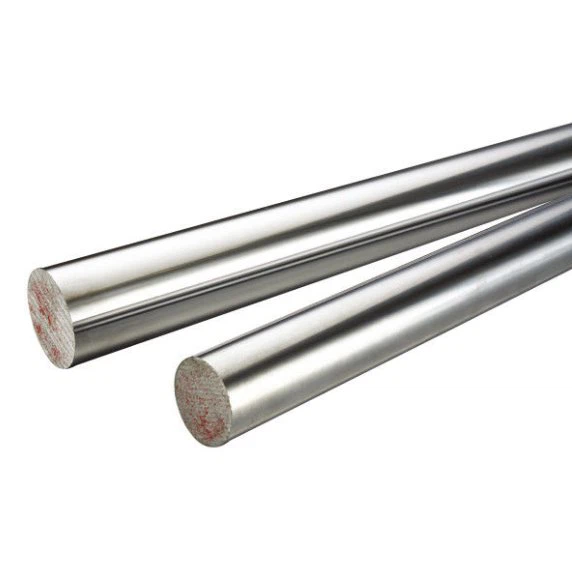
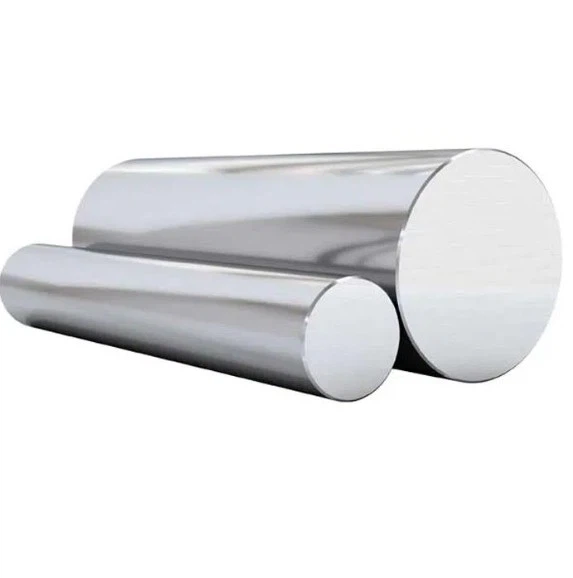
Stainless steel bar refers to a solid, long cylindrical metal product made primarily of stainless steel, a corrosion-resistant alloy containing iron, chromium, nickel, and other elements. Stainless steel bars are manufactured through a process that involves melting raw materials in an electric arc furnace, followed by continuous casting, hot rolling, and finishing processes such as grinding, polishing, and surface treatment. The resulting stainless steel bars exhibit excellent mechanical properties, high strength, durability, and resistance to corrosion, making them ideal for a wide range of applications in various industries. Stainless steel bars come in different shapes, including round, square, hexagonal, and flat, each tailored to specific applications such as construction, manufacturing, automotive, aerospace, and marine. They are commonly used in the production of shafts, fasteners, fittings, valves, machinery components, and architectural elements due to their versatility, aesthetic appeal, and exceptional performance in demanding environments.
Advantages of Stainless Steel Bar
Corrosion resistance
One of the most significant advantages of stainless steel bars is their exceptional resistance to corrosion, rust, and staining. This resistance makes them ideal for use in corrosive environments, such as marine, chemical, and food processing industries, where durability and longevity are crucial.
Strength and durability
Stainless steel bars exhibit high strength-to-weight ratio, making them strong and durable materials for structural components, machinery parts, and other applications requiring load-bearing capacity and structural integrity.
Heat resistance
Stainless steel bars maintain their mechanical properties and structural integrity at high temperatures, making them suitable for applications involving elevated temperatures, such as heat exchangers, furnace components, and exhaust systems.
Hygienic properties
Stainless steel is non-porous, smooth, and easy to clean, making stainless steel bars suitable for use in hygiene-sensitive environments such as food processing, pharmaceuticals, and healthcare facilities.
-
![316 Stainless Steel Round Bar]() Add to Inquiry
Add to Inquiry -
![304 Stainless Steel Rod]() Add to Inquiry
Add to Inquiry -
![316 Stainless Steel Round Bar]() Add to Inquiry
Add to Inquiry -
![Stainless Steel Angle Bar]() Add to Inquiry
Add to Inquiry -
![6mm Stainless Steel Rod]() Add to Inquiry
Add to Inquiry -
![Stainless Round Bar]() Add to Inquiry
Add to Inquiry -
![Stainless Steel Square Bar]() Add to Inquiry
Add to Inquiry -
![Stainless Flat Bar]() Add to Inquiry
Add to Inquiry -
![Ss Bar]() Add to Inquiry
Add to Inquiry


Why Choose US
Production Equipment
We have 2000 square meters of storage and processing center which covered equipment using in slitting, cutting in horizontal, laser cutting, plasma and grinding machine and embossing machine.
Product Application
Our products which are applied in decoration, medical industry, food industry, construction industry etc, and have gained gain good feedback and establish mutual trust with our clients.
Main Market
With years growth, we had achieved strategic cooperation with many stainless steel mills, including TISCO, BAOSTEEL, POSCO(ZPSS) and others prime grade.We have exported our products to over 30 countries, mainly in Asia, Europe, Africa and South America.
Quality Assurance
Our company establishes scientific quality standards, sets up scientific quality concept, establishes perfect organization and implements comprehensive quality control. Our elite sales staff and our veteran machinists work together to ensure that the highest quality of care is implemented in every stage of creating each precision engineered flange that leaves our shop.
Types of Stainless Steel Bar
Stainless steel rod
A stainless steel rod is a solid cylindrical metal product made primarily of stainless steel, an alloy containing iron, chromium, nickel, and other elements. Stainless steel rods are manufactured through processes such as melting, casting, hot rolling, and finishing, resulting in a durable and corrosion-resistant product. These rods are commonly used in various applications across industries such as construction, manufacturing, automotive, aerospace, and marine due to their high strength, excellent corrosion resistance, and versatility. Stainless steel rods come in different shapes and sizes, including round, square, hexagonal, and flat, catering to a wide range of specific requirements and applications. They are widely utilized in the production of shafts, fasteners, fittings, valves, machinery components, and architectural elements, among others, where durability, longevity, and performance are essential considerations.
Stainless steel round bar
A stainless steel round bar is a solid cylindrical metal product made primarily of stainless steel, an alloy renowned for its corrosion resistance, durability, and strength. Manufactured through processes like melting, casting, hot rolling, and finishing, stainless steel round bars offer exceptional performance across various industries. Their versatility and reliability make them ideal for applications such as construction, manufacturing, automotive, aerospace, and marine. Stainless steel round bars come in various diameters and lengths, catering to diverse needs, from structural components to precision engineering. They are widely utilized for shafts, fasteners, fittings, valves, and other critical components where superior corrosion resistance and mechanical properties are essential.
Stainless steel angle bar
A stainless steel angle bar is a solid metal product made primarily of stainless steel, renowned for its corrosion resistance, strength, and durability. Shaped like an "L" with equal or unequal legs, stainless steel angle bars are commonly used in construction, manufacturing, and structural applications. These bars are manufactured through processes such as hot rolling, which ensures their high-quality finish and precise dimensions. Stainless steel angle bars offer versatility and reliability, making them suitable for a wide range of applications, including framing, bracing, supports, and architectural elements. Their resistance to rust and staining makes them ideal for use in environments prone to corrosion, such as marine, chemical, and outdoor applications.
Stainless steel square bar
A stainless steel square bar is a solid metal product primarily composed of stainless steel, known for its exceptional corrosion resistance, strength, and durability. These bars are characterized by their square cross-sections and are manufactured through processes such as hot rolling, ensuring precise dimensions and a smooth finish. Stainless steel square bars find extensive use across various industries, including construction, manufacturing, and engineering. They are commonly employed in applications requiring structural support, machinery components, fasteners, and architectural elements. With their resistance to rust and staining, stainless steel square bars are well-suited for use in corrosive environments, making them a preferred choice for marine, chemical, and outdoor applications where durability and longevity are paramount.
What Are the Main Components of Stainless Steel Bars
The main components of stainless steel bars are primarily the alloying elements that constitute stainless steel. These typically include:


Iron (Fe): The primary element in stainless steel bars, iron provides the structural integrity and mechanical properties of the material.
Chromium (Cr): Chromium is the key alloying element in stainless steel bars that provides corrosion resistance. It forms a passive oxide layer on the surface of the steel, preventing rust and staining.
Nickel (Ni): Nickel enhances the corrosion resistance of stainless steel bars and contributes to their strength and toughness. It also improves ductility and weldability.
Manganese (Mn): Manganese is added to improve the workability of stainless steel bars during fabrication processes such as hot rolling and forging.
Carbon (C): Carbon content in stainless steel bars affects their hardness, strength, and machinability. Low carbon content is typical in most stainless steel grades to maintain corrosion resistance.
Molybdenum (Mo): Molybdenum is often added to certain stainless steel grades to enhance their resistance to pitting and crevice corrosion, particularly in aggressive environments.
Other alloying elements: Depending on the specific grade and application, stainless steel bars may contain small amounts of other alloying elements such as nitrogen, silicon, copper, titanium, and sulfur, which can further modify the properties of the material.
How Is Stainless Steel Bar Manufactured
Stainless steel bars are typically manufactured through a series of processes involving melting, casting, hot rolling, and finishing.
Melting: The manufacturing process begins with the melting of raw materials in an electric arc furnace (EAF) or an induction furnace. The raw materials typically include scrap metal, ferroalloys, and alloying elements such as chromium, nickel, and molybdenum. The melting process is carefully controlled to achieve the desired chemical composition and quality of the stainless steel.
Casting: Once the molten stainless steel reaches the desired composition, it is cast into semi-finished forms such as billets, blooms, or ingots. These semi-finished forms serve as the starting material for the subsequent rolling process.
Hot rolling: The semi-finished forms are then heated and passed through a series of rolling mills at high temperatures to reduce their thickness and shape them into the desired cross-sectional profiles, such as round, square, hexagonal, or flat. This hot rolling process helps refine the grain structure of the stainless steel bars and improve their mechanical properties.
Cooling and straightening: After hot rolling, the stainless steel bars are cooled using water or air to room temperature to stabilize their microstructure. They may also undergo straightening processes to ensure uniformity and straightness of the bars.
Finishing: Once cooled, the stainless steel bars may undergo additional finishing processes to achieve the desired surface finish, dimensions, and mechanical properties. These finishing processes may include grinding, polishing, peeling, or centerless grinding to remove surface defects and improve surface quality.
Inspection and testing: Throughout the manufacturing process, stainless steel bars undergo rigorous inspection and testing to ensure quality and compliance with specifications and standards. This may include dimensional inspection, chemical analysis, mechanical testing, and non-destructive testing methods such as ultrasonic testing or magnetic particle inspection.
Stainless steel bars are available in various grades, each offering unique properties and suitable for specific applications.
Austenitic stainless steel: Austenitic stainless steels are the most widely used grades and offer excellent corrosion resistance, high ductility, and good weldability. Common grades in this category include:
304 (UNS S30400) and 304L (UNS S30403): These grades are versatile and widely used in applications such as food processing, chemical processing, and architectural elements.
316 (UNS S31600) and 316L (UNS S31603): Known for their superior corrosion resistance, these grades are commonly used in marine environments, pharmaceuticals, and medical devices.
Ferritic stainless steel: Ferritic stainless steels have good corrosion resistance and high-temperature strength but lower ductility compared to austenitic grades. Examples of ferritic stainless steel grades used in bars include:
430 (UNS S43000): This grade is commonly used in applications requiring heat resistance, such as automotive exhaust systems and decorative trim.
Martensitic stainless steel: Martensitic stainless steels offer high strength, hardness, and wear resistance, but they have lower corrosion resistance compared to austenitic and ferritic grades. Common grades in this category include:
410 (UNS S41000): Known for its strength and hardness, this grade is often used in applications such as valves, fasteners, and pump shafts.
Duplex stainless steel: Duplex stainless steels combine the benefits of austenitic and ferritic grades, offering high strength and excellent corrosion resistance. Examples of duplex stainless steel grades used in bars include:
2205 (UNS S32205/S31803): This grade is widely used in chemical processing, oil and gas, and marine applications due to its superior corrosion resistance and high strength.
Precipitation hardening stainless steel: Precipitation hardening stainless steels offer high strength and excellent corrosion resistance, making them suitable for aerospace, aerospace, and high-performance applications. Common grades include:
17-4 PH (UNS S17400): This grade is known for its excellent combination of strength, corrosion resistance, and machinability, making it suitable for a wide range of applications.
In Which Industries Are Stainless Steel Bars Commonly Used
Construction
Stainless steel bars are used in construction for structural components, reinforcement bars, architectural elements, and facades due to their strength, durability, and aesthetic appeal.
Manufacturing
Stainless steel bars are widely used in manufacturing industries for machinery components, tooling, fasteners, and precision engineering applications due to their machinability and resistance to wear and corrosion.
Oil and gas
Stainless steel bars are utilized in the oil and gas industry for drilling equipment, valves, pipelines, and offshore platforms due to their corrosion resistance and high strength, even in harsh environments.
Chemical processing
Stainless steel bars are essential in chemical processing plants for tanks, reactors, pumps, and piping systems where corrosion resistance to aggressive chemicals is crucial.
Food processing
Stainless steel bars are preferred in the food processing industry for conveyor systems, storage tanks, processing equipment, and sanitary fittings due to their hygienic properties and resistance to corrosion and contamination.
Automotive
Stainless steel bars find applications in the automotive industry for components such as exhaust systems, engine parts, fasteners, and decorative trim due to their corrosion resistance, strength, and aesthetic appeal.
Aerospace and defense
Stainless steel bars are used in aerospace and defense applications for aircraft components, missile systems, and military vehicles due to their strength-to-weight ratio, corrosion resistance, and performance in high-stress environments.
Marine
Stainless steel bars are widely used in marine applications for boat fittings, railings, propeller shafts, and marine hardware due to their resistance to saltwater corrosion and durability in marine environments.
How Are Stainless Steel Bars Tested for Quality and Performance
Stainless steel bars undergo rigorous testing procedures to ensure their quality, performance, and compliance with industry standards.
Chemical analysis: Stainless steel bars undergo chemical analysis to verify their composition and ensure they meet the required specifications. This analysis determines the percentages of alloying elements such as chromium, nickel, molybdenum, and carbon present in the material.
Mechanical testing: Mechanical testing evaluates the mechanical properties of stainless steel bars, including tensile strength, yield strength, elongation, hardness, and impact resistance. These tests help assess the material's strength, ductility, and toughness under various loading conditions.
Dimensional inspection: Stainless steel bars undergo dimensional inspection to verify their dimensions, including diameter, length, straightness, and surface finish. This ensures that the bars meet the specified tolerances and are suitable for their intended applications.
Surface examination: Surface examination involves visually inspecting the surface of stainless steel bars for defects such as cracks, pits, scratches, and surface irregularities. Surface inspection helps identify any imperfections that may affect the quality or performance of the bars.
Ultrasonic testing (UT): Ultrasonic testing is a non-destructive testing method used to detect internal defects in stainless steel bars such as voids, inclusions, and discontinuities. UT uses high-frequency sound waves to penetrate the material and detect flaws that may compromise its integrity.
Magnetic particle testing (MT): Magnetic particle testing is another non-destructive testing method used to detect surface and near-surface defects in stainless steel bars. MT involves magnetizing the material and applying magnetic particles to the surface, which accumulate at defect locations, making them visible under UV light.
Liquid penetrant testing (PT): Liquid penetrant testing is used to detect surface defects such as cracks, porosity, and leaks in stainless steel bars. PT involves applying a liquid penetrant to the surface of the material, allowing it to seep into any surface defects, and then removing excess penetrant before applying a developer to make defects visible.
Corrosion testing: Stainless steel bars may undergo corrosion testing to evaluate their resistance to corrosion in various environments, including saltwater, acidic or alkaline solutions, and high-temperature environments. Corrosion testing helps assess the material's long-term durability and suitability for specific applications.
Can Stainless Steel Bars Be Welded or Machined
Stainless steel bars can be welded and machined, and they are commonly used in applications that require fabrication processes such as welding and machining.

Welding
Shielded metal arc welding (SMAW): Also known as stick welding, SMAW is commonly used for welding stainless steel bars. It involves using a flux-coated electrode to create an electric arc between the electrode and the workpiece, melting the base metal and filler material to form a weld bead.
Gas tungsten arc welding (GTAW): GTAW, or TIG welding, is another popular method for welding stainless steel bars. It uses a non-consumable tungsten electrode and an inert gas shield to produce high-quality welds with excellent control over the heat input and weld pool.
Gas Metal Arc Welding (GMAW): GMAW, or MIG welding, is suitable for welding stainless steel bars with thicker sections. It uses a consumable wire electrode and a shielding gas to protect the weld pool from atmospheric contamination.
Resistance Welding: Resistance welding methods such as spot welding and seam welding can also be used to join stainless steel bars, particularly for high-volume production applications.
Machining
Stainless steel bars are machined using various cutting tools and techniques, including turning, milling, drilling, grinding, and threading, depending on the desired shape, dimensions, and surface finish.
Carbide or high-speed steel cutting tools are commonly used for machining stainless steel bars due to their hardness and wear resistance.
Stainless steel bars may require coolant or lubricant during machining to reduce heat generation and tool wear and to improve surface finish and chip evacuation.
Machining parameters such as cutting speed, feed rate, and depth of cut should be carefully selected to achieve the desired results while minimizing tool wear and material deformation.
Stainless steel bars can be welded and machined using appropriate techniques and equipment, allowing them to be customized and fabricated to meet specific requirements for a wide range of applications across various industries.

Can Stainless Steel Bars Be Used in High-Temperature Environments
Stainless steel bars can be used in high-temperature environments, and they are known for their excellent performance at elevated temperatures. The suitability of stainless steel bars for high-temperature applications depends on several factors, including the specific grade of stainless steel, the operating temperature, and the duration of exposure to heat.
Certain grades of stainless steel are specifically designed to withstand high temperatures without losing their mechanical properties or corrosion resistance. For example:
Austenitic stainless steels: Grades such as 304, 316, and 321 exhibit good high-temperature strength and oxidation resistance. They can withstand temperatures up to 870°C (1600°F) in continuous service and higher temperatures for short durations.
Ferritic stainless steels: Ferritic grades like 430 and 446 offer excellent resistance to scaling and oxidation at high temperatures, making them suitable for applications such as exhaust systems, furnace components, and heat exchangers.
Martensitic stainless steels: Some martensitic grades, such as 410 and 416, exhibit good high-temperature strength and are used in applications requiring elevated temperature resistance, such as turbine blades, valves, and fasteners.
Duplex stainless steels: Duplex grades like 2205 and 2507 offer a combination of high strength and corrosion resistance, making them suitable for high-temperature applications in chemical processing, oil and gas, and power generation industries.
When using stainless steel bars in high-temperature environments, it's essential to consider factors such as:
Operating temperature: Ensure that the maximum operating temperature does not exceed the recommended limits for the specific grade of stainless steel.
Oxidation resistance: Choose a stainless steel grade with adequate oxidation resistance to prevent scaling and degradation at high temperatures.
Thermal expansion: Consider the thermal expansion characteristics of stainless steel bars to accommodate dimensional changes at elevated temperatures.
Surface Protection: Protect the surface of stainless steel bars from scaling and oxidation by applying coatings or using techniques such as passivation or oxidation-resistant alloys.
By selecting the appropriate grade of stainless steel and implementing proper design and maintenance practices, stainless steel bars can be effectively used in high-temperature environments while maintaining their mechanical properties, corrosion resistance, and structural integrity.
What Are the Differences Between Stainless Steel Bars and Other Types of Metal Bars
Composition
Stainless steel bars are primarily composed of iron, chromium, nickel, and other alloying elements. The addition of chromium provides corrosion resistance, while nickel improves ductility and toughness. In contrast, other metal bars such as carbon steel bars contain primarily iron and carbon, with lesser amounts of other alloying elements.
01
Corrosion resistance
Stainless steel bars are renowned for their excellent corrosion resistance, particularly in aggressive environments such as saltwater, acids, and chemicals. This resistance is attributed to the formation of a passive oxide layer on the surface of the stainless steel, which protects it from rust and corrosion. Other metal bars, such as carbon steel bars, may require additional coatings or treatments to enhance corrosion resistance.
02
Mechanical properties
Stainless steel bars exhibit a wide range of mechanical properties depending on the grade and heat treatment. They typically offer high strength, excellent ductility, and good toughness, making them suitable for structural, mechanical, and engineering applications. Other metal bars may have different mechanical properties depending on their composition and processing methods.
03
Temperature resistance
Stainless steel bars can withstand high temperatures without losing their mechanical properties or corrosion resistance, making them suitable for applications in elevated temperature environments. In contrast, other metal bars may exhibit lower temperature resistance or require special alloying elements for high-temperature applications.
04
Applications
Stainless steel bars find widespread use in various industries, including construction, manufacturing, automotive, aerospace, marine, chemical processing, and food processing, due to their corrosion resistance, strength, and versatility. Other types of metal bars may be preferred for specific applications based on factors such as cost, availability, and required properties.
05
What Are the Factors Affecting the Machinability of Stainless Steel Bars
Alloy composition: The chemical composition of stainless steel bars significantly affects their machinability. Elements such as sulfur, phosphorus, and lead are often added to improve machinability by promoting chip breaking and reducing tool wear. However, excessive levels of these elements can lead to poor mechanical properties or surface finish.
Stainless steel grade: Different grades of stainless steel have varying machinability characteristics. Austenitic stainless steels (e.g., 304, 316) tend to have lower machinability compared to ferritic (e.g., 430) or martensitic (e.g., 410) stainless steels due to their higher work hardening rates and tendency to produce tough, stringy chips.
Heat treatment: The heat treatment condition of stainless steel bars can affect their machinability. Annealed or solution annealed conditions generally result in improved machinability compared to hardened or cold-worked conditions, as they reduce hardness and internal stresses in the material.
Microstructure: The microstructure of stainless steel, including grain size, distribution of alloying elements, and presence of inclusions, can influence machinability. Fine-grained materials with homogeneous microstructures tend to exhibit better machinability than coarse-grained or segregated materials.
Cutting tools: The selection of cutting tools and tool materials is critical for machining stainless steel bars. Carbide, ceramic, or high-speed steel (HSS) cutting tools with appropriate geometries and coatings are commonly used to withstand the high temperatures and abrasion encountered during machining.
Cutting parameters: Machining parameters such as cutting speed, feed rate, depth of cut, and tool geometry play a crucial role in determining the machinability of stainless steel bars. Optimal cutting parameters should be selected to achieve the desired material removal rate while minimizing tool wear and tool-chip interactions.
Coolant/lubricant: The use of coolant or lubricant during machining helps dissipate heat, reduce friction, and improve chip evacuation, thereby enhancing machinability and extending tool life. Water-soluble or oil-based cutting fluids are commonly used for stainless steel machining operations.
How Do You Increase the Efficiency of a Stainless Steel Bar
Select the right stainless steel grade: Choose a stainless steel grade with suitable machinability characteristics for the intended application. Consider factors such as alloy composition, hardness, and work hardening behavior to ensure optimal machining performance.
Optimize cutting tools: Select cutting tools with appropriate geometries, coatings, and materials for machining stainless steel bars. Carbide or ceramic inserts with advanced coatings can improve tool life and performance. Regularly inspect and maintain cutting tools to ensure sharpness and accuracy.
Adjust cutting parameters: Fine-tune cutting parameters such as cutting speed, feed rate, and depth of cut to optimize material removal rates while minimizing tool wear and heat generation. Use manufacturer-recommended cutting data or conduct trials to identify the optimal parameters for specific stainless steel grades and machining operations.
Use coolant/Lubricant: Apply coolant or lubricant during machining to dissipate heat, reduce friction, and improve chip evacuation. Choose suitable cutting fluids such as water-soluble or oil-based lubricants based on the machining process and material requirements. Ensure proper coolant delivery and management to maintain consistent performance.
Minimize tool changes and downtime: Plan machining operations to minimize tool changes and setup times, thereby reducing downtime and increasing overall productivity. Use multi-functional tools or toolholders to perform multiple machining operations without interrupting the process.
Implement high-speed machining (HSM): Consider high-speed machining techniques to increase material removal rates and reduce cycle times. HSM involves using higher cutting speeds, feeds, and depths of cut with rigid machine tools and stable workpiece setups to achieve efficient machining of stainless steel bars.
Optimize workpiece fixturing: Secure workpieces properly to minimize vibration, deflection, and chatter during machining. Use stable and rigid fixturing methods such as vises, clamps, or fixtures to ensure accurate and repeatable machining operations.
Maintaining stainless steel bars involves regular cleaning, inspection, and protection to preserve their appearance, performance, and longevity. Here are some maintenance tips for stainless steel bars:
Regular cleaning: Clean stainless steel bars regularly using mild soap or detergent and warm water. Use a soft cloth or sponge to remove dirt, grime, and fingerprints from the surface. Rinse thoroughly with clean water and dry with a soft, lint-free towel to prevent water spots and streaks.
Avoid abrasive cleaners: Avoid using abrasive cleaners, scouring pads, or steel wool on stainless steel bars, as these can scratch or damage the surface. Opt for non-abrasive cleaning agents and gentle cleaning tools to maintain the finish and appearance of the stainless steel.
Remove stubborn stains: For stubborn stains or residues, use specialized stainless steel cleaners or polishes formulated for removing stains, oxidation, or discoloration. Follow the manufacturer's instructions carefully and test the cleaner on a small, inconspicuous area first to ensure compatibility with the stainless steel surface.
Restore surface finish: If the surface of stainless steel bars becomes dull, scratched, or worn over time, consider restoring the finish using stainless steel polish or buffing compounds. Apply the polish with a soft cloth or polishing pad in the direction of the grain, then buff to a high shine with a clean, dry cloth.
Prevent corrosion: Protect stainless steel bars from corrosion by removing corrosive contaminants such as salt, acids, or chlorides promptly. Rinse off salt deposits from coastal environments or chemical residues from industrial processes to prevent pitting or staining of the stainless steel surface.
Inspect for damage: Regularly inspect stainless steel bars for signs of damage, corrosion, or surface defects such as scratches, dents, or discoloration. Address any issues promptly to prevent further deterioration and maintain the structural integrity and appearance of the bars.
Apply protective coatings: Consider applying protective coatings or treatments to stainless steel bars to enhance corrosion resistance and prolong service life. Options include clear coatings, passivation treatments, or corrosion inhibitors designed specifically for stainless steel surfaces.
Prevent contamination: Minimize the risk of contamination by storing stainless steel bars in clean, dry environments away from sources of contamination such as dust, moisture, or chemicals. Use protective covers or wraps to shield the bars from external elements during storage or transportation.
FAQ
Q: What is stainless steel, and what makes it corrosion-resistant?
Q: What are the main grades of stainless steel bars, and their properties?
Q: How are stainless steel bars manufactured?
Q: What are the applications of stainless steel bars?
Q: How does the presence of nickel affect the properties of stainless steel bars?
Q: What is the difference between austenitic and ferritic stainless steel bars?
Q: What are the heat treatment processes for stainless steel bars?
Q: What are the machinability characteristics of stainless steel bars?
Q: How does the surface finish of stainless steel bars affect their performance?
Q: What are the environmental impacts of stainless steel production?
Q: What are the welding considerations for stainless steel bars?
Q: How Does the Carbon Content Affect the Corrosion Resistance of Stainless Steel Bars?
Q: What are the standards for stainless steel bar quality and dimensions?
Q: What are the advantages of using stainless steel bars over other materials?
Q: How are stainless steel bars tested for quality and performance?
Q: What are the challenges in the fabrication of stainless steel bars?
Q: What is the role of molybdenum in stainless steel bars?
Q: How does the passivation of stainless steel bars affect their corrosion resistance?
Q: What are the factors to consider when specifying stainless steel bar grades?
Q: What is the significance of the austenitic to ferritic ratio in stainless steel alloys?
As one of the leading stainless steel bar manufacturers and suppliers in China, we warmly welcome you to wholesale cheap stainless steel bar from our factory. All custom made products are with high quality and competitive price. Contact us for more details.
twisted stainless steel bar, stainless steel monkey bars, 301 stainless steel bar