

What is Reducing Flange
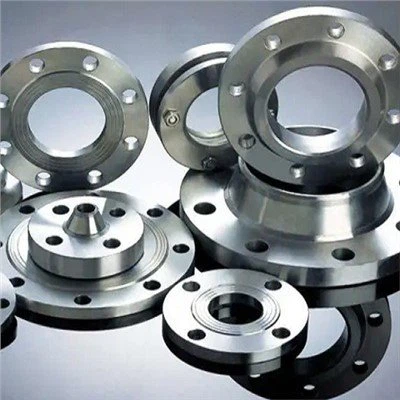
A reducing flange is a type of flange used to connect pipes or fittings of different sizes in a piping system. It features a larger bore on one end and a smaller bore on the other, allowing for the transition between different pipe diameters while maintaining a sealed connection. The larger end of the reducing flange is welded to the larger pipe or fitting, while the smaller end connects to the smaller pipe or fitting. This design effectively reduces the bore size along the length of the flange, facilitating the smooth flow of fluids or gases through the piping system. Reducing flanges are commonly used in industries where the reduction or enlargement of pipe sizes is required, such as water treatment plants, chemical processing facilities, and HVAC systems. They provide a convenient and efficient solution for joining pipes or fittings of different sizes while ensuring proper alignment and sealing between components.
Advantages of Reducing Flange
Simplified installation
Reducing flanges eliminate the need for additional pipe fittings or adapters to connect pipes or fittings of different sizes, streamlining the installation process and reducing labor and material costs
Space efficiency
By providing a compact transition between different pipe diameters, reducing flanges help conserve space in tight or confined areas where space constraints are a concern.
Improved flow characteristics
The smooth transition provided by reducing flanges minimizes flow disruptions, turbulence, and pressure losses, enhancing the overall flow characteristics and efficiency of the piping system.
Flexibility and adaptability
Reducing flanges accommodate changes in pipe size or configuration, allowing for greater flexibility and adaptability in piping system design and layout modifications.
-
![High Durability Weld Neck Reducing Flange]()
High Durability Weld Neck Reducing Flange
Add to Inquiry -
![Reducing Slip On Flange]() Add to Inquiry
Add to Inquiry -
![50 Pressure Stainless Steel Reducing Flange]()
50 Pressure Stainless Steel Reducing Flange
Add to Inquiry -
![Weld Neck Reducing Flange]() Add to Inquiry
Add to Inquiry



Why Choose US
Production Equipment
We have 2000 square meters of storage and processing center which covered equipment using in slitting, cutting in horizontal, laser cutting, plasma and grinding machine and embossing machine.
Product Application
Our products which are applied in decoration, medical industry, food industry, construction industry etc, and have gained gain good feedback and establish mutual trust with our clients.
Main Market
With years growth, we had achieved strategic cooperation with many stainless steel mills, including TISCO, BAOSTEEL, POSCO(ZPSS) and others prime grade.We have exported our products to over 30 countries, mainly in Asia, Europe, Africa and South America.
Quality Assurance
Our company establishes scientific quality standards, sets up scientific quality concept, establishes perfect organization and implements comprehensive quality control. Our elite sales staff and our veteran machinists work together to ensure that the highest quality of care is implemented in every stage of creating each precision engineered flange that leaves our shop.
Types of Reducing Flange
High durability weld neck reducing flange
The high durability weld neck reducing flange is a specialized component designed for robust and long-lasting performance in demanding piping system applications. Crafted from high-quality materials such as carbon steel, stainless steel, or alloy steel, this flange offers exceptional strength, corrosion resistance, and resistance to wear and tear. Its weld neck design provides added reinforcement and support to the joint, ensuring reliable sealing and preventing leakage even under high-pressure and high-temperature conditions. By facilitating a smooth transition between different pipe diameters, the reducing flange enhances flow efficiency while minimizing turbulence and pressure losses.
Reducing slip on flange
A reducing slip-on flange is a type of flange designed to join pipes or fittings of different sizes in a piping system. Unlike standard slip-on flanges, which have a single bore size, reducing slip-on flanges feature a larger bore on one end and a smaller bore on the other. This design allows for the transition between different pipe diameters while maintaining a secure and leak-resistant connection. The larger end of the reducing slip-on flange is slipped over the larger pipe or fitting, while the smaller end connects to the smaller pipe or fitting. By eliminating the need for additional pipe fittings or adapters, reducing slip-on flanges simplify installation, reduce labor costs, and conserve space in tight or confined areas. They are commonly used in various industries, including chemical processing, water treatment, and HVAC systems, where the reduction or enlargement of pipe sizes is required.
Stainless steel reducing flange
A stainless steel reducing flange is a specialized component used in piping systems to connect pipes or fittings of different sizes. Crafted from high-quality stainless steel, this type of flange offers excellent corrosion resistance, durability, and longevity, making it suitable for a wide range of applications, including chemical processing, food and beverage, pharmaceuticals, and water treatment. Its reducing design features a larger bore on one end and a smaller bore on the other, allowing for the seamless transition between different pipe diameters while ensuring a secure and leak-proof connection. The stainless steel construction ensures compatibility with various fluids and environments, making it a reliable choice for demanding industrial environments where corrosion resistance and hygiene are paramount.
Weld neck reducing flange
A weld neck reducing flange is a specialized type of flange utilized in piping systems to facilitate the connection between pipes or fittings of different sizes. Featuring a weld neck design, this flange offers enhanced strength, stability, and leak resistance compared to other flange types. The reducing aspect of the flange allows for a smooth transition between pipe diameters, optimizing flow efficiency and minimizing turbulence within the system. Typically constructed from durable materials such as carbon steel, stainless steel, or alloy steel, weld neck reducing flanges are well-suited for high-pressure and high-temperature applications across various industries, including oil and gas, chemical processing, and power generation. With their robust construction and reliable performance, weld neck reducing flanges are essential components in piping systems requiring precise and secure connections.
How Does a Reducing Flange Differ from Standard Flanges
Bore size: The most significant difference is that reducing flanges have a larger bore on one end and a smaller bore on the other. This design allows for the transition between pipes or fittings of different sizes, facilitating the connection between pipes with different diameters. Standard flanges have a uniform bore size throughout.
Function: Reducing flanges are specifically designed to accommodate the reduction or enlargement of pipe sizes within a piping system. They are used when connecting pipes or fittings of different diameters, whereas standard flanges are used to connect pipes or fittings of the same size.
Application: Reducing flanges are commonly used in piping systems where the reduction or enlargement of pipe sizes is required, such as in water treatment plants, chemical processing facilities, and HVAC systems. Standard flanges are used in a wide range of applications where pipes of the same size need to be connected, including oil and gas pipelines, power plants, and manufacturing facilities.
Design: Reducing flanges typically have a tapered or stepped design, with one end larger in diameter than the other. This design allows for a smooth transition between different pipe diameters. Standard flanges have a uniform thickness and diameter throughout.
What Are the Main Components of a Reducing Flange
Flange face
The flat or raised surface of the flange that comes into contact with the gasket or the mating flange. It provides the sealing surface to ensure a leak-tight connection between the flange and the mating component.
Bore
The inner diameter of the flange where the pipe or fitting is inserted and welded. In a reducing flange, the bore diameter varies, with one end larger than the other to accommodate pipes or fittings of different sizes.
Hub
The protruding section in the center of the flange where the bore is located. It provides additional reinforcement and support to the flange and helps to center the pipe or fitting during installation.
Welding neck
The tapered or cylindrical extension of the flange where the pipe or fitting is welded. It provides a strong and secure connection between the flange and the piping system.
Flange bolts and nuts
The fasteners used to secure the flange to the mating component or equipment. Flange bolts pass through the bolt holes in the flange and are secured in place with nuts on the opposite side.
Raised face or flat face
The sealing surface of the flange, which may be raised or flat depending on the design and application requirements. The raised face provides a designated area for compressing the gasket to achieve a tight seal, while the flat face is used for sealing with welding or mechanical seals.
What Materials Are Reducing Flanges Typically Made From
Reducing flanges are typically made from a variety of materials, selected based on factors such as the operating conditions, fluid properties, and compatibility with the piping system.


Carbon steel: Carbon steel reducing flanges are widely used in industrial applications due to their strength, durability, and cost-effectiveness. They are suitable for a wide range of temperatures and pressures and offer good corrosion resistance with proper surface treatment.
Stainless steel: Stainless steel reducing flanges are preferred for applications requiring corrosion resistance, particularly in environments with exposure to moisture, chemicals, or high temperatures. Common grades include 304, 316, 316L, and duplex stainless steels.
Alloy steel: Alloy steel reducing flanges are used in applications requiring enhanced mechanical properties, high temperature resistance, or resistance to specific corrosive environments. They are alloyed with elements such as chromium, molybdenum, or nickel to improve strength and corrosion resistance.
Duplex stainless steel: Duplex stainless steel reducing flanges offer a combination of high strength and corrosion resistance, making them suitable for demanding applications in chemical processing, oil and gas, and offshore industries.
Nickel alloys: Reducing flanges made from nickel alloys such as Inconel, Monel, and Hastelloy are used in applications requiring exceptional corrosion resistance, high temperature strength, and resistance to chemical attack. They are commonly used in the chemical processing, aerospace, and marine industries.
Non-metallic materials: Reducing flanges can also be made from non-metallic materials such as PVC, CPVC, PTFE, and fiberglass-reinforced plastics. These materials offer corrosion resistance, lightweight, and are suitable for applications where metal flanges may not be appropriate.
In Which Industries Are Reducing Flanges Commonly Used
Chemical processing: Reducing flanges are widely used in chemical processing plants for connecting pipes of different sizes, facilitating the transportation of chemicals, solvents, and corrosive fluids.
Oil and gas: In the oil and gas industry, reducing flanges are utilized in pipelines, refineries, and petrochemical plants to connect piping systems of varying diameters for the transportation of crude oil, natural gas, and petroleum products.
Water and wastewater treatment: Water treatment plants and wastewater treatment facilities utilize reducing flanges to connect pipes of different sizes for the distribution of potable water, treatment chemicals, and wastewater.
Power generation: Reducing flanges are employed in power generation facilities, including thermal power plants, nuclear power plants, and renewable energy installations, for connecting piping systems in boilers, turbines, and cooling systems.
Pulp and paper: In pulp and paper mills, reducing flanges are used to connect pipes of different sizes for transporting pulp, chemicals, water, and steam in various stages of the paper manufacturing process.
Food and beverage: Reducing flanges find application in food processing plants and beverage production facilities for connecting pipes of different sizes in the transportation of edible liquids, including milk, juices, and beverages.
Marine and offshore: In marine and offshore applications, reducing flanges are used in shipbuilding, offshore platforms, and marine vessels for connecting piping systems of varying diameters for the transportation of fluids and gases.
How Are Reducing Flanges Installed
Installing reducing flanges involves several steps to ensure a secure and leak-free connection between pipes or fittings of different sizes.
Preparation
Ensure that the pipe ends and the reducing flange are clean, free of debris, and properly deburred to ensure a clean and smooth surface for welding.
Verify that the reducing flange and pipes are aligned correctly to prevent misalignment during installation.
Tack welding
Use tack welds to temporarily secure the reducing flange to the larger pipe or fitting. Tack welds help maintain alignment and prevent movement during the final welding process.
Fit-up and alignment
Position the smaller pipe or fitting inside the bore of the reducing flange and align it properly with the larger pipe or fitting.
Ensure that the components are aligned correctly to achieve a uniform gap between the mating surfaces for welding.
Welding process
Weld the smaller pipe or fitting to the reducing flange using the appropriate welding technique and parameters. Common welding methods include shielded metal arc welding (SMAW), gas tungsten arc welding (GTAW), or gas metal arc welding (GMAW).
Apply the welding process around the entire circumference of the joint to ensure proper penetration and fusion of the weld bead.
Post-weld treatment
Allow the welded joint to cool down gradually to prevent thermal stress and distortion.
After cooling, inspect the weld joint for any defects such as cracks, porosity, or incomplete penetration. Address any defects by grinding or repairing the weld as necessary.
Cleaning and inspection
Clean the welded joint and surrounding area to remove any welding slag, spatter, or other contaminants.
Perform a visual inspection of the weld joint to ensure it meets quality standards and specifications.
Testing
Conduct pressure testing or leak testing of the piping system to verify the integrity and performance of the welded joint. Pressurize the system gradually and monitor for any signs of leakage or pressure drop.
Finalization
Once the installation and testing are complete, secure the reducing flange in place using flange bolts and nuts.
Ensure that all fasteners are tightened to the specified torque values to prevent loosening during operation.
How Do You Select the Right Reducing Flange for a Specific Application
Understand application requirements
Determine the operating conditions of the piping system, including fluid type, temperature, pressure, flow rate, and environmental factors.
Identify any specific requirements or constraints, such as space limitations, corrosion resistance, material compatibility, and industry standards or regulations.
Determine size and pressure rating
Determine the nominal pipe sizes (NPS) and schedules of both the larger and smaller pipes or fittings that need to be connected.
Select a reducing flange with the appropriate sizes and pressure ratings that match or exceed the requirements of the application. Ensure that the reducing flange can accommodate the maximum operating pressure and temperature of the system.
Choose material of construction
Select the material of construction for the reducing flange based on the fluid properties, corrosion resistance requirements, and environmental conditions of the application.
Common materials include carbon steel, stainless steel (e.g., 304, 316), alloy steel, duplex stainless steel, nickel alloys (e.g., Inconel, Monel), and non-metallic materials (e.g., PVC, CPVC).
Consider flange design and configuration
Determine the flange design and configuration based on the specific requirements of the application. Consider factors such as raised face or flat face, ring type joint (RTJ), lapped joint, orifice flange, and long weld neck.
Select the appropriate sealing surface (raised face or flat face) based on the type of gasket and sealing method required for the application.
Ensure that the selected reducing flange complies with relevant industry standards and regulations, such as ASME B16.5, ASME B16.9, MSS SP-44, ASTM, API, and ISO standards.Verify that the flange meets any specific requirements or certifications required for the application, such as pressure vessel code compliance, material traceability, and third-party testing.

Reducing flanges can be used for both high-pressure and low-pressure applications, provided that they are selected and installed correctly according to the requirements of the specific application.
For high-pressure applications
It's essential to choose reducing flanges with appropriate pressure ratings that exceed the maximum operating pressure of the system. This ensures that the flanges can withstand the high pressures without failure.
The material of construction should also be selected based on the corrosive properties of the fluid, temperature variations, and other environmental factors to ensure the flanges maintain their integrity under high-pressure conditions.
Proper installation, including correct welding techniques and bolt tightening procedures, is crucial to prevent leaks and ensure the reliability of the joint under high-pressure conditions.
For low-pressure applications
Reducing flanges with lower pressure ratings may be suitable, depending on the operating conditions and requirements of the system.
Material selection should still consider factors such as corrosion resistance, temperature variations, and environmental conditions to ensure the longevity of the flanges.
While low-pressure applications may not require the same level of robustness as high-pressure applications, proper installation practices are still essential to ensure a leak-free connection and prevent issues over time.
Reducing flanges can be used for both high-pressure and low-pressure applications, but it's crucial to select the appropriate flanges with the correct pressure ratings and materials of construction and ensure proper installation practices to maintain the integrity and reliability of the piping system.
Ensure that the reducing flange, as well as the ends of the pipes to be connected, are clean, free of debris, and properly deburred to ensure a clean welding surface. Verify that the reducing flange and pipes are aligned correctly to prevent misalignment during welding.
Tack welding
Use tack welds to temporarily secure the reducing flange to the larger pipe. Tack welds help maintain alignment and prevent movement during the final welding process.
Fit-up and alignment
Position the smaller pipe inside the bore of the reducing flange and align it properly with the larger pipe.
Ensure that the components are aligned correctly to achieve a uniform gap between the mating surfaces for welding.
Root pass welding
Start by welding the root pass, which is the first layer of weld, between the smaller pipe and the reducing flange. This can be done using the appropriate welding technique, such as shielded metal arc welding (SMAW), gas tungsten arc welding (GTAW), or gas metal arc welding (GMAW).
Ensure proper penetration of the weld bead to achieve fusion between the smaller pipe and the flange.


Filler pass welding
Apply additional filler passes to fill in the groove between the smaller pipe and the reducing flange, building up the weld bead to the desired thickness.
Maintain a consistent welding technique and travel speed to ensure uniform penetration and fusion of the weld bead.
Cap pass welding
Complete the welding process by applying the cap pass, which is the final layer of weld, to achieve a smooth and uniform surface finish.
Ensure that the weld bead is free of defects such as cracks, porosity, or incomplete penetration.
Post-weld treatment
Allow the welded joint to cool down gradually to prevent thermal stress and distortion.
After cooling, inspect the weld joint for any defects and address them as necessary.
Cleaning and inspection
Clean the welded joint and surrounding area to remove any welding slag, spatter, or other contaminants.
Perform a visual inspection of the weld joint to ensure it meets quality standards and specifications.
Testing
Conduct pressure testing or leak testing of the piping system to verify the integrity and performance of the welded joint.
What Are the Temperature and Pressure Limitations for Reducing Flanges
Material of construction: Different materials have different temperature and pressure ratings. For example:
Carbon steel reducing flanges typically have temperature ratings ranging from -29°C (-20℉) to 425℃ (800℉) and pressure ratings from 150 psi to 2500 psi.
Stainless steel reducing flanges offer higher temperature and pressure ratings compared to carbon steel, with temperature ratings typically ranging from -250℃ (-400℉) to 815℃ (1500℉) and pressure ratings ranging from 150 psi to 3000 psi.
Alloy steel, duplex stainless steel, and nickel alloy reducing flanges may offer even higher temperature and pressure ratings depending on the specific alloy composition.
Design and specifications: The design and specifications of the reducing flange, including its size, pressure class, and configuration (e.g., raised face, flat face, ring type joint), also influence its temperature and pressure limitations. Flanges designed and manufactured in accordance with recognized standards such as ASME B16.5, ASME B16.9, and MSS SP-44 are typically rated for specific temperature and pressure ranges.
Operating conditions: The temperature and pressure limitations of reducing flanges may vary depending on the specific operating conditions of the application, such as the type of fluid being transported, the velocity of flow, thermal cycling, and the presence of corrosive substances. Higher temperatures and pressures may require flanges with higher temperature and pressure ratings to ensure safety and reliability.
How Do You Prevent Leaks in a Reducing Flange Joint
Preventing leaks in a reducing flange joint requires careful attention to several key factors during installation, including proper alignment, surface preparation, gasket selection, bolt tightening, and welding techniques.
Proper alignment
Ensure that the reducing flange and pipes are aligned correctly before installation to prevent misalignment, which can lead to uneven pressure distribution and potential leaks.
Surface preparation
Clean and prepare the mating surfaces of the reducing flange and pipes by removing any dirt, rust, scale, or debris. Smooth and flat surfaces are essential for achieving a proper seal.
Gasket selection
Choose a suitable gasket material that is compatible with the fluid being transported and the operating conditions of the application. Common gasket materials include rubber, graphite, PTFE, and spiral wound metal gaskets. Ensure that the gasket is the correct size and thickness for the flange joint.
Proper bolt tightening
Tighten flange bolts uniformly and evenly in a crisscross pattern to ensure even compression of the gasket and prevent leaks. Use a calibrated torque wrench to achieve the specified bolt torque values recommended by the flange manufacturer.
Welding techniques
If the reducing flange is welded to the pipes, use proper welding techniques and procedures to ensure a leak-free weld joint. Ensure adequate penetration, fusion, and reinforcement of the weld bead to prevent leaks.
Use of sealants
Apply a suitable sealant or thread compound to the threads of the flange bolts before installation to prevent leakage through the bolt holes.
Pressure testing
After installation, conduct a pressure test on the piping system to verify the integrity of the reducing flange joint and ensure that there are no leaks under operating conditions. Perform visual inspections and leak detection tests to identify any leaks and address them promptly.
Regular inspection and maintenance
Periodically inspect reducing flange joints for signs of leaks, corrosion, or damage. Address any issues promptly by tightening bolts, replacing gaskets, or repairing welds as needed to prevent leaks from occurring.
How Do You Reduce the Wear and Tear of a Reducing Flange
Reducing wear and tear on a reducing flange involves several preventative measures and maintenance practices to prolong its lifespan and ensure reliable performance.
Proper material selection: Choose reducing flanges made from materials that offer excellent resistance to corrosion, erosion, and wear under the operating conditions of the application. Stainless steel, alloy steel, and corrosion-resistant alloys are often preferred for their durability and longevity.
Regular inspection and maintenance: Conduct regular visual inspections of reducing flanges to identify signs of wear, corrosion, or damage. Inspect for cracks, pitting, corrosion, or deformation, particularly in areas prone to stress concentration or high fluid velocities. Perform preventive maintenance, such as cleaning, lubrication, and tightening of bolts and nuts, to prevent premature wear and degradation.
Correct installation practices: Ensure that reducing flanges are installed correctly according to manufacturer specifications and industry standards. Proper alignment, welding techniques, bolt tightening, and gasket installation are critical to prevent leaks, stress concentrations, and premature wear of the flange and adjoining components.
Optimized fluid flow: Design piping systems to minimize turbulence, erosion, and fluid velocities that can contribute to wear and tear on reducing flanges. Use smooth bends, gradual transitions, and flow control devices to reduce pressure drops and minimize fluid velocity in critical areas.
Surface Protection: Apply protective coatings or linings to reducing flanges exposed to corrosive fluids or environments to enhance resistance to wear, erosion, and chemical attack. Consider epoxy coatings, corrosion-resistant paints, or polymer linings to provide an additional barrier against corrosion and abrasion.
Proper gasket selection: Choose gaskets made from compatible materials with the fluid being transported and the operating conditions of the application. Ensure that gaskets are correctly installed and replaced as needed to maintain a reliable seal and prevent leakage that can accelerate wear and tear on the flange.
Temperature and pressure monitoring: Monitor and control temperature and pressure conditions within the piping system to prevent overloading or exceeding the design limits of the reducing flange. Implement safety measures, such as pressure relief valves and temperature sensors, to prevent excessive stress and potential failure of the flange under extreme conditions.
How to Store Reducing Flange
Proper storage of reducing flanges is essential to maintain their integrity and prevent damage during transportation, handling, and long-term storage.
Choose a Suitable Storage Area
Select a clean, dry, and well-ventilated storage area away from sources of moisture, humidity, direct sunlight, and extreme temperatures. Ideally, the storage area should be indoors to protect the flanges from environmental exposure.
Ensure Proper Handling
Handle reducing flanges with care to prevent scratches, dents, or other damage that could compromise their integrity.
Use appropriate lifting equipment, such as slings or cranes, to move and transport reducing flanges safely to prevent dropping or mishandling.
Protect Against Corrosion
Coat reducing flanges with a rust-preventive oil or corrosion inhibitor to protect them from moisture and atmospheric corrosion during storage.
Wrap individual flanges in plastic or other protective materials to provide an additional barrier against moisture, dust, and debris.
Store in an Organized Manner
Arrange reducing flanges in an organized manner, stacking them vertically or horizontally to prevent bending, warping, or distortion.
Avoid stacking heavy objects on top of reducing flanges to prevent deformation or damage to the flange faces.
Labeling and Identification
Clearly label reducing flanges with their specifications, material grades, sizes, and other relevant information to facilitate identification and inventory management.
Maintain detailed records of reducing flange inventory, including quantities, locations, and date of receipt, to track usage and replenishment.
Periodic Inspection
Conduct regular visual inspections of reducing flanges during storage to check for signs of corrosion, damage, or deterioration.
Address any issues promptly by cleaning, lubricating, or applying additional corrosion protection measures as needed.
Rotate Stock and FIFO Method
Implement a first-in, first-out (FIFO) inventory management system to ensure that reducing flanges are used in the order they were received, minimizing the risk of obsolescence or deterioration.
Rotate stock periodically to prevent prolonged storage and ensure that reducing flanges are used within their recommended shelf life.
FAQ
Q: What is a Reducing Flange, and How Does It Work?
Q: What Materials Are Reducing Flanges Typically Made Of?
Q: What Are the Standard Sizes and Pressure Ratings for Reducing Flanges?
Q: How Do You Choose the Right Reducing Flange for an Application?
Q: What Welding Standards Apply to Reducing Flanges?
Q: What Is the Difference Between a Reducing Flange and a Weld Neck Flange?
Q: What Are the Advantages of Using Reducing Flanges?
Q: What Are the Limitations of Reducing Flanges?
Q: How Are Reducing Flanges Installed?
Q: What Inspection Methods Are Used for Reducing Flanges After Installation?
Q: Can Reducing Flanges Be Used in High-Temperature Applications?
Q: What Are the Considerations for Storing and Handling Reducing Flanges?
Q: How Do Reducing Flanges Affect Flow Characteristics in Piping Systems?
Q: What Are the Environmental Impacts of Using Reducing Flanges?
Q: How Are Reducing Flanges Rated for Corrosion Resistance?
Q: What Are the Maintenance Requirements for Reducing Flanges?
Q: How Do Reducing Flanges Compare to Other Types of Flanges?
Q: What Is the Role of Reducing Flanges in Piping System Design?
Q: What Are the Standards for Testing Reducing Flanges?
Q: How Do Advances in Technology Impact Reducing Flange Design and Use?
As one of the leading reducing flange manufacturers and suppliers in China, we warmly welcome you to wholesale cheap reducing flange from our factory. All custom made products are with high quality and competitive price. Contact us for more details.
fire protection reducing flange, equipment reducing flange, plate flange reducing