

Why Choose Us
Professional Team
Our cutting-edge facilities and our highly qualified team of professionals allow us to offer the complete range of forged steel flanges and high-spec forged components. Our product line features the highest standards of quality, productivity and reliability.
Quality Control
Our elite sales staff and our veteran machinists work together to ensure that the highest quality of care is implemented in every stage of creating each precision engineered flange that leaves our shop.
Advanced Equipment
We have 2000 square meters of storage and processing center which covered equipment using in slitting, cutting in horizontal, laser cutting, plasma and grinding machine and embossing machine.
Custom Service
We offer a range of value-added services, including custom fabrication and assembly, to enhance our clients experience.
What is Stainless Steel Coil
Stainless steel coils are predominantly used in the construction and industrial industries, they possess a variety of mechanical properties qualities and can be used to meet several requirements. These coils are also used in the mass production of everything from industrial equipment to household utensils, and they are extremely durable, lightweight, corrosion-resistant, and require little maintenance. There are many distinct types of stainless steel coils on the market, each with a unique use and set of features.
Benefits of Stainless Steel Coil
Strength and Durability
One of the remarkable characteristics of stainless steel coil is its impressive strength-to-weight ratio. Despite being lightweight, stainless steel coil exhibits excellent strength and structural integrity, enabling it to withstand heavy loads, extreme temperatures, and mechanical stresses.
Hygiene and Cleanliness
Stainless steel coil is known for its hygienic properties and ease of cleaning, making it highly suitable for industries with strict cleanliness requirements. Its smooth and non-porous surface inhibits the growth of bacteria, making it a popular choice in healthcare facilities, pharmaceutical laboratories, and food processing plants.
Aesthetic Appeal
Stainless steel coil offers an attractive appearance and exceptional versatility in terms of design possibilities. Its sleek and modern look adds a touch of elegance to various applications, including architectural facades, interior design elements, and consumer goods.
Sustainability and Recyclability
Stainless steel coil is an environmentally friendly material with high sustainability credentials. It is fully recyclable, meaning that it can be melted down and repurposed without any loss in its inherent properties. This recyclability contributes to the reduction of waste and the conservation of natural resources.
What are the Applications of Stainless Steel Coil
01
Manufacturing
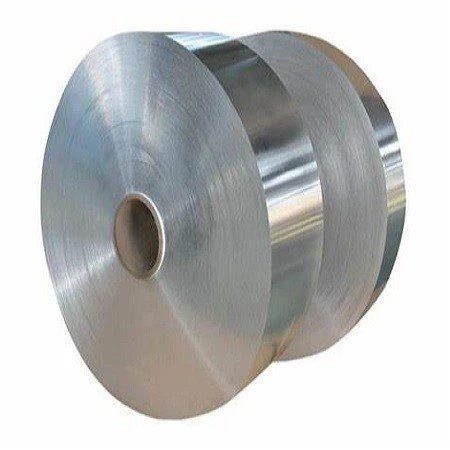
Stainless steel coil is used in various manufacturing industries to make a wide range of products, such as kitchen appliances, automotive parts, medical instruments, and construction materials.
02
Architecture and construction
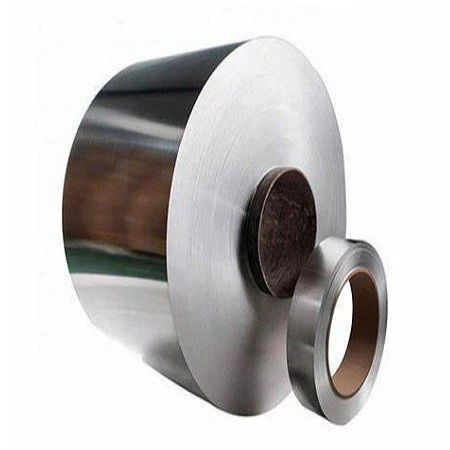
Stainless steel coil is used to make durable and corrosion-resistant architectural and construction materials, such as roofing, siding, and structural components.
03
Food processing and storage
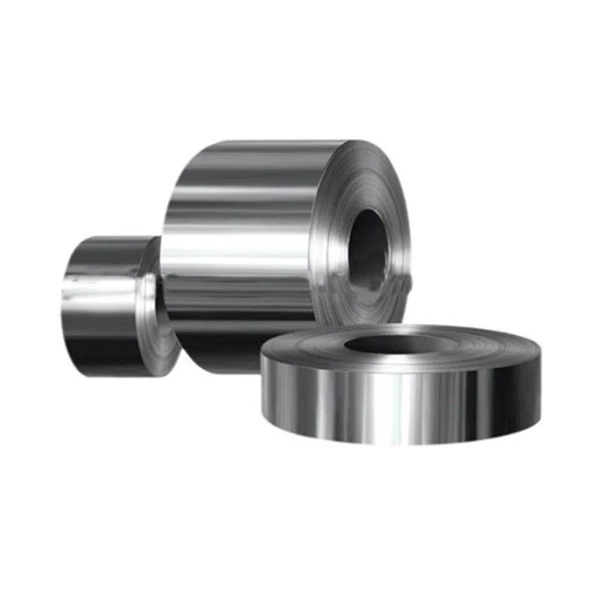
Stainless steel coil is an excellent material for food processing and storage equipment, such as tanks, vats, and conveyor belts. It is resistant to corrosion, staining, and bacteria growth, which makes it a popular choice for the food industry.
04
Oil and gas industry
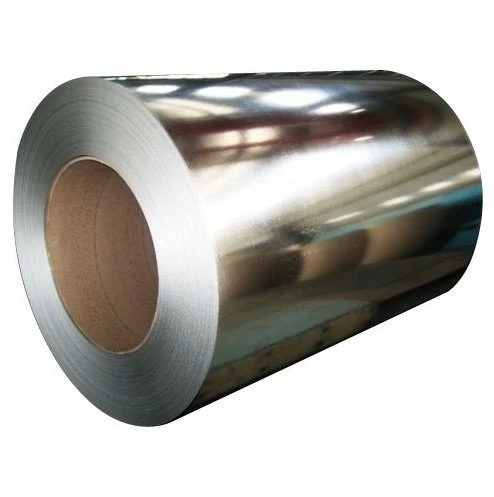
Stainless steel coil is used in the oil and gas industry to make pipes, valves, and other equipment that can withstand high temperatures, pressures, and corrosive environments.
Types of Stainless Steel Coil
Austenitic Stainless Steel Coils
Austenitic stainless steel coils are the most common type, known for their excellent corrosion resistance and high elasticity. They contain high levels of chromium and nickel, contributing to their non-magnetic properties and making them suitable for a wide range of applications.
Ferritic Stainless Steel Coils
Ferritic stainless steel coils contain higher levels of chromium and lower levels of carbon compared to austenitic stainless steel. They are magnetic and offer good corrosion resistance in mildly corrosive environments.
Martensitic Stainless Steel Coils
Martensitic stainless steel coils are heat-treatable and contain higher levels of carbon, which gives them high strength and hardness. They offer moderate corrosion resistance and are magnetic.
Duplex Stainless Steel Coils
Duplex stainless steel coils contain a balanced microstructure of austenite and ferrite phases, offering higher strength and better corrosion resistance than austenitic or ferritic stainless steels. They exhibit excellent resistance to stress corrosion cracking.
Stainless Steel Coil is a type of austenitic stainless steel with a minimum of 18% chromium, 8% nickel, and a maximum of 0.08% carbon.An austenitic, non-magnetic, stainless steel 201 has the following composition. It is Chromium (16% – 18%), and Nickel (3.5% – 5.5%). It contains higher amounts of Manganese (5.5%-7.5%) and Nitrogen, and lower amounts of Nickel than type 304 steel.
It may be mentioned that the Grade 304 stainless steel coil is the most standard used chromium alloy of this which is also known as an“18/8”stainless as the make-up of the steel is 18% chromium and 8% nickel. The chromium component adds resistance to the effects of corrosion and oxidation.
Process of Stainless Steel Coil

Steel coils are produced by taking a piece of steel and rolling it out into a long, thin strip. The strip is then wound up into a coil and transported to the steel mill for further processing.

The first step in making steel coils is to take a large piece of steel and roll it out into a long, thin strip. This can be done with a variety of different machines, but the end result is always the same: a long, thin strip of steel.

Once the strip has been created, it is then wound up into a coil. This helps to keep the steel organized and makes it easier to transport. The coil is then transported to the steel mill for further processing.
Product features of Stainless Steel Coil
High strength and hardness
This 304 Stainless Steel Coil has high strength and hardness, and can maintain stable performance under different mechanical stresses, making it outstanding in the manufacturing field.
Wide application
The stainless steel coil is multifunctional and widely used in various fields. Its application in food industry is particularly important, because 304 stainless steel has superior performance on food safety and hygiene requirements.
Various sizes and thicknesses
The material can be selected in various sizes and thicknesses to meet the needs of different projects, and can be applied from small parts to large structures.
Polished surface
It is polished and has a smooth and shiny surface. Its appearance can produce unique effects in the field of decoration, and at the same time it does not need frequent maintenance.
Maintenance Tips for Stainless Steel Coil
Regular cleaning: Regular cleaning of stainless steel coils to remove dust, dirt and other pollutants on the surface can maintain the beauty and corrosion resistance of the surface.
Prevent collisions: During transportation and use, stainless steel coils should be careful to avoid mechanical damage such as collisions and scratches to maintain the smoothness and integrity of their surfaces.
Prevent chemical corrosion: During use, contact with chemicals such as acids and alkalis should be avoided to avoid chemical corrosion on the surface of the steel coil.
Apply protective agent regularly: Applying a layer of protective agent on the surface of stainless steel coils can effectively prevent corrosion and pollution on the surface and extend its service life.
How to Choose Stainless Steel Coils
Corrosion resistance
This topic of corrosion resistance is extremely important to know when purchasing stainless steel products. The standard grade most commonly used for food grade applications is AUSTENITIC STAINLESS STEEL. Due to its chemistry, austenitic stainless steels show tremendous resistance to basic corrosive environments containing only salt and water. Specifically, our 304 — grades (including but not limited to), include 18/22, 20/30, 15/25, and 10/15. Use the proper grade based on your installation environs; atmospheric conditions such as air quality, moisture content, and acidity levels can greatly increase the corrosion rate of a product.
Resistance to heat
Many More customers choose stainless steel coils because they can use them everywhere without any concern about the corrosion. Temperature is a factor to consider when purchasing stainless steel products. High temperatures, such as in a furnace environment of (900–1175C) can increase the corrosion of stainless steel products. Moreover, high temperature exerts high pressure on the products. So you will have to purchase heat-resistant stainless steel, such as 253MA and 321MA if the temperature is always high.
Cryogenic resistance
Austenitic stainless steel is more efficient at low temperatures. They can maintain a higher tensile strength at low temperatures compared to ambient temperatures. Regardless of degrading and toughness, such steel is suitable for low temperatures. Cryogenic resistance means that the materials ability to withstand decreased material temperature after exposure to increasing pressures. You must check cryogenic resistance to know which one is better for you.
Magnetic response
Austenitic and ferritic grades of stainless steel typically have a lower magnetic content, whereas chromium-based grades are more magnetically active. You must check the magnetic response for each type of grade; austenitic is not as strong as carbonitride and 310, 316, and 430 grade steels so these all tend to show very little effect. Martensitic Stainless with higher magnetic content such as 310, 320, 330, 410, and 416 , which are not magnetic but can be made into hardware that is by using posthardening processes such as nitriding, has deep cryogenic Tempering to achieve those characteristics. Duplex grades like 2205 and 2201 are ferromagnetic while others like 400CN and 452CBM are paramagnetic.
Stainless Steel Grades
Each stainless steel grade has unique attributes and properties that make it suitable for different applications. Let's explore the grades mentioned earlier in more detail.
304 Stainless Steel
This is the workhorse of the stainless steel family. It's known for its versatility, excellent corrosion resistance, and relatively low cost. It's utilized in everything from kitchen appliances to structural components.
316 Stainless Steel
This grade offers superior corrosion resistance, making it ideal for marine environments, chemical processing, and medical equipment. Because of its increased nickel and molybdenum content, it is more resistant to chloride-based corrosion.
430 Stainless Steel
Known for its resistance to oxidation and heat, 430 stainless steel is often used in kitchen appliances, cutlery, and furnace components. Its durability and resistance to corrosion make steel a good option for these applications.
410 Stainless Steel
If you need high strength and hardness, 410 stainless steel is a top choice. It's frequently utilized in industrial equipment and machinery parts where wear resistance and strength are critical.
Loading Process for Stainless Steel Coils
Step 1: Preparations
Before starting to load the cabinets, some preparatory work needs to be done. This includes confirming order details, checking the quality and quantity of stainless steel coils, preparing packing materials needed for loading into cabinets, etc.
Step 2: Packaging and Labeling
Packaging stainless steel coils is a critical step in ensuring their safety during transportation. Typically stainless steel coils are wrapped with protective paper or plastic film to prevent scratches and corrosion. In addition, each roll should be marked with relevant information, such as batch number, specification, weight, etc.
Step 3: Stacking and Bundling
When stacking the packaged stainless steel coils inside the container, attention should be paid to the stability and safety of the stack. Typically wooden or metal pallets are used and strapped with steel straps or ropes to ensure that the coils do not slip or become damaged during transport.
Step 4: Container Loading
Once the stainless steel coils are ready, they can be loaded into containers. The process of loading containers requires attention to even distribution of weight and rational use of space. Using a forklift or other handling equipment, move the coils from the loading area into the container and arrange and stack them as closely as possible.
Step 5: Secure Fixing
After the stainless steel coils are loaded into the container, it is important to ensure that they are secured in place to prevent shifting or rolling during transport. Secure the roll to the container wall or floor using tools such as lashing ties, rope or wood.
Step 6: Container Closed and Sealed
Once the container is loaded, the door of the container will be closed and sealed to ensure that the goods are not affected by the external environment during transportation. Sealing may be performed using a seal or other closure device.
Our Factory
Shandong Daye Pipes Co., Ltd. was established in 2006, as a professianl company with combined service covering trade and processing of stainless steel coil, sheet, rod ect, supported by ready stocks to meet requirements of prompt shipment.With years growth, we had achieved strategic cooperation with many stainless steel mills, including TISCO, BAOSTEEL, POSCO(ZPSS) and others prime grade.


FAQ
Q: What is the chemical composition of stainless steel coil?
Q: What is coil material?
Q: What are the different types of stainless steel coils?
Q: How is stainless steel coil made?
Q: What are steel coils made of?
Q: What are the uses of stainless steel coil?
Q: What are the main uses of stainless steel?
Q: What are steel coils used for?
Q: What are the different types of stainless steel coils?
Q: What are the three uses of coil?
Q: What industries use steel coils?
Q: How to do maintenance on stainless steel?
Q: How do you keep stainless steel in good condition?
Q: How do you take care of stainless steel goods?
Q: Does stainless steel need maintenance?
Q: Does stainless steel need oiling?
Q: What can damage stainless steel?
Q: How do you keep stainless steel from discoloring?
Q: Is stainless steel high maintenance?
Q: Are stainless steel coils better?
As one of the leading stainless steel coil manufacturers and suppliers in China, we warmly welcome you to wholesale cheap stainless steel coil from our factory. All custom made products are with high quality and competitive price. Contact us for more details.
