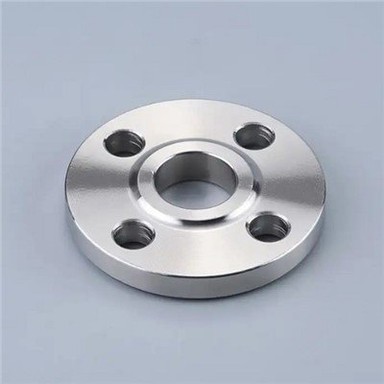
PN10 PN16 Slip On Flange
Slip on flanges are a type of flange that has a flat face on the sealing surface and are typically used in low-pressure applications.
- Fast Delievery
- Quality Assurance
- 24/7 Customer Service
Product Introduction
Company Profile
Shandong Daye Pipes Co., Ltd. was established in 2006, as a professianl company with combined service covering trade and processing of stainless steel coil, sheet, rod ect, supported by ready stocks to meet requirements of prompt shipment.
We mainly sell stainless steel sheet, pipes, coils, bands, section bars and so on which are applied in decoration, medical industry, food industry, construction industry etc, and have gained gain good feedback and establish mutual trust with our clients.
Why Choose Us
Professional Team
Our cutting-edge facilities and our highly qualified team of professionals allow us to offer the complete range of forged steel flanges and high-spec forged components. Our product line features the highest standards of quality, productivity and reliability.
Quality Control
With years growth, we had achieved strategic cooperation with many stainless steel mills, including TISCO, BAOSTEEL, POSCO(ZPSS) and others prime grade.
Advanced Equipment
We have 2000 square meters of storage and processing center which covered equipment using in slitting, cutting in horizontal, laser cutting, plasma and grinding machine and embossing machine.
Custom Service
A. Stable quality: Coming from good materials and technic
B. Lower price: Not cheapest but the lowest at the same quality
C. Good service: Satisfactory service before and after sale
D. Delivery time: Within 15 days after we get 30% T/T from the buyer

The slip on flange is a part that connects pipes with each other and is connected to the pipe end. There are holes on the welding flange, and the bolts make the two flanges tightly connected.

The slip on flange has good sealing performance, space saving and good quality. It can not only prevent water leakage of the joint, but also reduce the diameter of the seal.

SS316L Stainless Steel Slip On Flange
18cr-12ni-2.5mo has excellent corrosion resistance, atmospheric corrosion resistance and high temperature strength due to the addition of Mo, and can be used under harsh conditions;

Stainless Steel Slip On Flange
Stainless steel slip on flange is a kind of parts that connect stainless steel pipes with each other. Generally, multiple bolts pass through the holes on the flange to connect two flanges or stainless steel parts, which are sealed with gaskets.
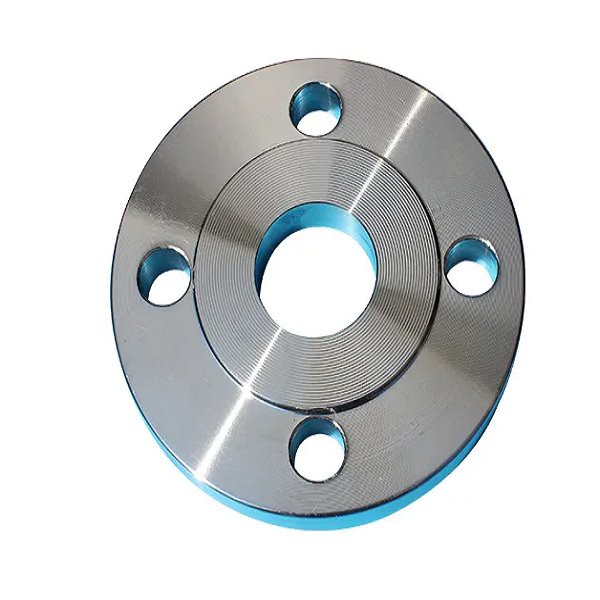
Carbon slip on flange refers to a kind of flange connected with the vessel or pipeline by fillet weld. It is an arbitrary flange.

304 stainless steel flat welding flange welding device is easy to align, and the device is simple and convenient;
What is PN10 PN16 Slip On Flange?
Slip on flanges are a type of flange that has a flat face on the sealing surface and are typically used in low-pressure applications. They are called "slip-on" because they can be easily slipped onto the end of a pipe or fitting and then welded in place. They also have a bored-out inner diameter that matches the pipe's outer diameter, allowing for a smooth flow of fluids or gases.
Slip on flanges are a popular type of pipe flange designed to accept pipe into the bore/center of the flange for welding around both the Outer Diameter (OD) of the pipe and on the interior side of the connection.
The slip-on flange is a simple and excellent alternative to a weld neck as it does not have a weld bevel, and therefore allows the pipe to be adjusted in length relative to its position of the flange. The bore of the slip on will give ample amount of space for the matching pipe.
Benefits of PN10 PN16 Slip On Flange
Ease of installation
The slip-on design enables effortless mounting to the end of a pipe or fitting without intricate alignment procedures. This saves time and effort during installation, especially when many flanges are involved. They can also be adjusted slightly after sliding onto the pipe, simplifying proper alignment between pipes or fittings.
Cost-effective solution
The design of SO flanges is relatively simple, resulting in less manufacturing complexity and lower production costs than other types. This affordability makes them ideal, especially for projects with budget constraints. Furthermore, the reduced welding material results in cost savings on consumables like welding rods or wires.
Availability and compatibility
They are conveniently accessible in various sizes, materials, and pressure ratings, simplifying the search for the ideal flange that meets specific needs. Moreover, they exhibit compatibility with diverse types of pipes and fittings, allowing for versatility in their usage. This compatibility extends to various materials including carbon, steel, and alloy materials enabling seamless integration with different systems.
Space efficiency
SO flanges have a compact and streamlined design. They have a flat face, unlike weld neck or socket weld flanges with protruding necks or socket extensions. This design minimizes the overall footprint of the flange, allowing for more efficient use of space within the piping system. They also have a shorter length compared to other types.

To accommodate various demands and environments, slip-on flanges come in different types. the 3 most commonly used slip on flanges are standard slip-on flange, slip-on raised-faced flange, and slip-on ring-type joint flange.
Standard Slip-On Flange
The standard slip-on flange is the most common type used across various piping systems. It is designed to slip over the pipe. The pipe end extends slightly beyond the flange face before being welded.
Raised Face Slip-On Flange
The raised face slip-on flange features a small portion extruded from the bottom face of the flange, known as the raised face. This area serves as a gasket seat during installation, providing improved sealing performance. As the pressure rating increases, the height of this raised face also increases.
RTJ Slip-On Flange
The RTJ (Ring Type Joint) slip-on flange includes a small groove machined into the raised face. This groove is designed to accommodate a gasket ring, enhancing the flange's sealing capabilities. The RTJ slip-on flange is particularly suited for high-pressure applications where a more robust seal is required.
Weld Neck vs. PN10 PN16 Slip On Flange
Choosing between slip-on flanges and weld neck flanges depends on the specific needs of your piping system.
Pressure and Temperature Requirements
If your application involves high pressures and temperatures, weld neck flanges are the better choice. It is because of their strength and durability. Slip-on flanges are more suitable for low-pressure applications. Especially when extreme conditions are not a concern.
Installation Complexity
For quick and simple installations, slip-on flanges provide a more straightforward solution. Invest the extra time and resources in weld neck flanges. If a strong, leak-proof connection is required. The precise welding ensures they maintain their integrity under severe conditions.
Cost Considerations
If budget constraints are a primary concern, slip-on flanges may be the better option. The higher initial cost of weld neck flanges is justifiable. Most especially for applications where reliability and performance are critical. Also, the longevity and reduced maintenance costs with weld neck flanges can offer significant savings over time.
Material Compatibility
Both types of flanges are available in various materials. But ensure you select a flange compatible with the fluid or gas being transported. Consider the environment in which the flange will operate. These include exposure to corrosive substances or extreme temperatures. Choose the best material for your needs.
A slip on flange is a circular piece of metal that has been welded to the end of a pipe. A slip on flange.sometimes referred to as a "Slip-on hub". The inside face of this flange sits flush with the outside wall diameter (OD) of the pipe, while it's OD tapers down to fit snugly against another mating part such as an elbow or tee fitting. This slip on flange is
pushed up against the mating part, and then bolted down to secure it in place. The bolts are tightened until they compress the gasket between them and force out any air or debris that may have been drawn into the pipe system during installation.
Slip-on flanges are most often used in low pressure systems such as potable water, natural gas and steam. It's important that the flange is located on a pipe that has been installed straight down through the top of whatever it passes through (flooring or roof). Wherever you place your elbow, tee or other fitting will dictate where you need to locate the
slip-on flange if they are not located on the same straight run of pipe.

Slip-on flanges find application in a variety of industries and sectors. Their versatility and ease of use make them a practical choice for numerous scenarios. Here are some common applications.
Water Supply Systems
Slip-on flanges are commonly used in water supply and distribution systems due to their cost-effectiveness and ease of installation.
Plumbing
In residential and commercial plumbing, slip-on flanges are used to connect pipes, fixtures, and appliances.
Chemical Industry
In chemical processing plants, slip-on flanges are utilized for low-pressure connections in handling various chemicals and fluids.
HVAC Systems
Heating, ventilation, and air conditioning systems often incorporate slip-on flanges for connecting pipes and ducts.
General Industrial Applications
Slip-on flanges can be found in a wide range of industrial settings where low-pressure connections are required.
Steps for Installing a PN10 PN16 Slip On Flange
Here's a step-by-step guide for a secure and leak-proof connection.
Preparation
Make sure that both the pipe end and the inner surface of the slip-on flange are clean. Remove any debris, rust, or contaminants. Inspect the pipe and flange for any signs of damage or imperfections. They will affect the integrity of the connection.
Measuring and Cutting
Accurately measure the pipe to determine where to position the slip-on flange. Cut the pipe to the desired length, ensuring that the cut is clean and square. This step is important. An uneven cut leads to misalignment and potential leaks.
Sliding the Flange
Once the pipe is prepared, slide the slip-on flange over the pipe end. Ensure that the pipe extends slightly beyond the face of the flange, typically about 1/4 inch. This allows for proper positioning and space for the fillet weld.
Alignment
Align it with the adjacent flange or equipment to which it will be connected. Use clamps or temporary tack welds to hold the flange in place while you verify the alignment.
Proper alignment is critical. This practice will lead to a leak-proof connection. It even prevents any stress on the pipe or flange during operation.
Welding
With the flange aligned, proceed to weld the flange to the pipe. Start by performing a tack weld at several points around the flange to hold it in place. Then, complete the weld by applying a fillet weld around the outer circumference of the flange where it meets the pipe. If additional strength is required, you can also apply an inner fillet weld. Ensure that the weld is smooth and free of defects. This is to prevent leaks and maintain the integrity of the connection.
Bolting
After welding, allow the weld to cool before proceeding to the bolting stage. Align the bolt holes of the slip-on flange with those of the adjoining flange or equipment. Insert the bolts and tighten them in a star pattern to ensure an even distribution of pressure. This helps prevent warping of the flange and ensures a secure, leak-proof connection.
Maintenance of Slip-On Flanges
Proper maintenance of slip-on flanges is essential to prevent leaks, corrosion, and other issues that could compromise the integrity of the pipeline. Here are some key maintenance practices for slip-on flanges:
Regular Inspection
Regular inspection of flanges is essential to check for wear, corrosion, or other damages. Visual and tactile inspections should be conducted to ensure the proper functioning of the flanges.
Leak Detection
Periodic checks for leaks in slip-on flanges are crucial. If leaks are detected, immediate action should be taken to repair them to prevent further damage. Leaks pose a potential threat to the safety of the pipeline system, making timely detection and repair paramount.
Cleaning
Regularly clean the surface of the flange, removing any external substances or debris that may cause corrosion or blockage, to ensure the surface of the flange remains smooth.
Corrosion Monitoring
Closely monitor the surface of the flange for signs of corrosion, and based on different environmental conditions, take appropriate preventive measures such as using anti-corrosive materials or paint.
Our Factory
Shandong Daye Pipes Co., Ltd. was established in 2006, as a professianl company with combined service covering trade and processing of stainless steel coil, sheet, rod ect, supported by ready stocks to meet requirements of prompt shipment.With years growth, we had achieved strategic cooperation with many stainless steel mills, including TISCO, BAOSTEEL, POSCO(ZPSS) and others prime grade.


FAQ
Q: What is a slip on flange used for?
A: They are mainly used for fluids at low pressure or with little risk of leakage. It is very common to find these flanges today in cooling water lines, firefighting water lines, low-pressure compressed air lines, and process lines for substances such as steam, oil, gas, condensates, etc.
Q: What is the difference between a lap flange and a slip on flange?
A: A slip-on flange is affixed to the pipe through welding featuring a lip that protrudes from the edge of the pipe, while a lap joint flange is not welded to the pipe, and has a lip that doesn't extend past the pipe's edge.
Q: What is the difference between socket flange and slip on flange?
A: Socket welded flange shape is similar to slip on flange, differently it has a shoulder at the inner bore. Slip On Flange - No shoulder at inner bore. Socket weld flange static strength is equal to slip on flange, but it's fatigue strength is 50% higher than the double welded slip on flange.
Q: Why are slip-on flanges bad?
A: A slip-on flange's bore size (internal diameter) is larger than that of the connecting pipe, which allows it to slide/slip onto the pipe (slip-onto the pipe). There is no full penetration weld between the pipe and the flange, thus there are limitations for its usage due to lower weld integrity.
Q: Do you have to weld the inside of a slip-on flange?
A: Yes, slip on flanges should be wholly welded on both sides, with no weep holes. The weld should be complete, no stitch. Now, this apply to pressure vessels and piping. If there's another application that allows slip on flanges to be stitch welded and contain weep holes, I frankly don't know.
Q: How much gap do you need for a slip on flange?
A: The slip-on flange is positioned so the inserted end of the pipe or fitting is set back or short of the flange face by the thickness of the pipe wall plus 1/8 of an inch. This allows for a fillet weld inside the SO flange equal to the thickness of the pipe without doing any damage to the flange face.
Q: What thickness do you weld a slip on flange?
A: The Slip On Flange is connected to the pipe by two welds, one on the back side of the Flange and one on the inside of the Flange. The inside weld of the Flange to the pipe is recessed a minimum of the wall thickness plus 3 millimeters or 3/16" of an inch.
Q: Do slip-on flanges have schedules?
A: Slip-On Flanges are probably the most common type of flanges in the industry and are ideal for lower pressure applications. You do not have to specify the pipe schedule when using slip-on flanges due to the fact that its inside diameter is determined by the outside diameter of the pipe.
Q: What is the difference between a lap joint flange and a slip-on flange?
A: lap joint flanges are very similar to a slip-on flange, with the main difference being that it has a curved radius at the bore and face to house a lap joint stub-end. Lap joint flanges and stub-end assemblies are typically used in situations where frequent dismantling is required for for inspection.
Q: What is the difference between slip-on and raised face flange?
A: A raised face flange is similar in design to a slip-on flange but has one key difference – it has an extra lip around its circumference called a raised face. This raises the surface area of the connection point, which helps improve its seal when connected with another component.
Q: What is another name for a slip on flange?
A: Slip On Flange A slip-on flange can also be known as a hubbed flange, which, as the name suggests, has a hub with a very low profile. Why is this important? Because this type of ring type joint gasket has an internal diameter larger than the connecting pipe, allowing you to slide it onto the pipe with ease and speed.
Q: What does a slip on flange look like?
A: Slip on Flange is essentially a ring that is placed over the pipe end, with the flange face extending from the end of the pipe by enough distance to apply a weld bead on the inside diameter. The OD of slip on flange is also welded on the back side of the flange.
Q: Is a slip on flange considered a socket weld?
A: A Slip On Flange is not actually the same as Socket Weld Fittings - it refers to any kind of pipe fitting that allows two pieces of tubing / piping to connect without needing welding or brazing in order to do so.
Q: Where is slip-on flange used?
A: Slip-on flanges are used in sprinkler systems and other fire protection equipment. They are important because fire protection systems require quick assembly. They are also cost-effective, which is important as fire protection systems are important in fire conditions.
Q: Can you weld a slip-on flange to a reducer?
A: It can be done, but I would not do it on piping that needs to be x-rayed and certified. I would use an expander flange. An expander flange is like weld end flange except it acts as a reducer. For example, a 6x4 expander flange would have a 6'' weld end bore and a 4'' flange bore.
Q: What is the difference between lap joint flange and slip on flange?
A: Slip-On Flanges: Their versatility makes slip-on flanges suitable for various applications, from low-pressure systems to high-pressure environments. Lap Joint Flanges: These are particularly useful in applications with misaligned or non-standard connections and where easy access for maintenance is essential.
Hot Tags: pn10 pn16 slip on flange, China pn10 pn16 slip on flange manufacturers, suppliers, factory, ANSI 16 5b Slip On Flange, slip on flange for oil and gas industry, slip on flange with wear resistance, slip on flange for building construction, slip on forged steel flange, slip on flange for industrial use
No Information