

What is the price range of stainless steel pipes?
Oct 22, 2025
What is the price range of stainless steel pipes?
As a seasoned supplier of stainless steel pipes, I've witnessed firsthand the dynamic nature of the market and the diverse factors that influence the price range of these essential products. In this blog post, I'll delve into the key elements that determine the cost of stainless steel pipes and provide you with a comprehensive understanding of the price spectrum you can expect.
Composition and Grade
One of the primary factors affecting the price of stainless steel pipes is their composition and grade. Stainless steel is an alloy primarily composed of iron, chromium, and nickel, with varying amounts of other elements such as molybdenum, titanium, and copper. The specific combination of these elements determines the pipe's corrosion resistance, strength, and other properties.
For instance, 304 Stainless Steel Pipe is a popular choice due to its excellent corrosion resistance and versatility. It contains approximately 18% chromium and 8% nickel, making it suitable for a wide range of applications, including food processing, architecture, and general engineering. On the other hand, 316 Stainless Steel Pipe offers enhanced corrosion resistance, particularly in harsh environments containing chloride ions. It contains a higher percentage of nickel (10-14%) and the addition of molybdenum (2-3%), which makes it more expensive than 304 stainless steel.
In general, higher-grade stainless steel pipes with better corrosion resistance and mechanical properties command a higher price. However, the choice of grade should be based on the specific requirements of your application to ensure optimal performance and cost-effectiveness.

Pipe Dimensions and Wall Thickness
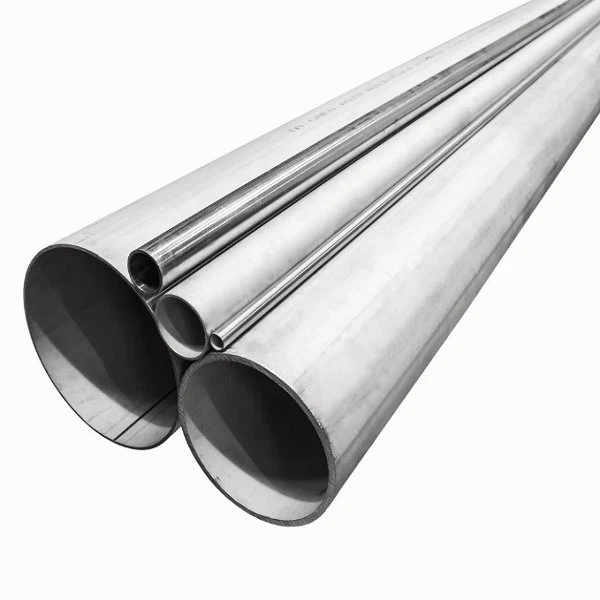
The dimensions and wall thickness of stainless steel pipes also play a significant role in determining their price. Larger diameter pipes and those with thicker walls require more raw material and additional manufacturing processes, which increase the production cost. As a result, they are typically more expensive than smaller diameter pipes with thinner walls.
For example, a 6-inch diameter stainless steel pipe will generally cost more than a 2-inch diameter pipe of the same grade and wall thickness. Similarly, a pipe with a thicker wall will be more expensive than one with a thinner wall, as it provides greater strength and durability. When selecting the appropriate pipe dimensions and wall thickness, it's important to consider the pressure, temperature, and flow requirements of your system to ensure safe and efficient operation.
Manufacturing Process
The manufacturing process used to produce stainless steel pipes can also impact their price. There are two main methods of manufacturing stainless steel pipes: seamless and welded.
Seamless pipes are produced by piercing a solid billet of stainless steel and then rolling it into a tubular shape. This process results in a pipe with a continuous grain structure and no weld seam, which provides superior strength and corrosion resistance. Seamless pipes are typically more expensive than welded pipes due to the complex manufacturing process and the higher quality of the finished product.
Welded pipes, on the other hand, are made by welding together flat strips of stainless steel to form a tubular shape. This process is more cost-effective than seamless pipe manufacturing, as it requires less raw material and simpler equipment. However, welded pipes may have a slightly lower strength and corrosion resistance compared to seamless pipes, especially in high-pressure and high-temperature applications.
The choice between seamless and welded pipes depends on the specific requirements of your application. If you need a pipe with high strength and corrosion resistance, seamless pipes may be the better option, despite their higher cost. However, if cost is a major concern and the application does not require the highest level of performance, welded pipes can provide a more economical solution.
Market Conditions
The price of stainless steel pipes is also influenced by market conditions, including supply and demand, raw material prices, and global economic trends. The stainless steel industry is highly cyclical, and prices can fluctuate significantly over time.
When demand for stainless steel pipes is high and supply is limited, prices tend to rise. Conversely, when demand is low and supply is abundant, prices may fall. Raw material prices, particularly the cost of nickel and chromium, also have a significant impact on the price of stainless steel pipes. These metals are essential components of stainless steel, and any fluctuations in their prices can directly affect the production cost of pipes.
Global economic trends, such as inflation, interest rates, and currency exchange rates, can also influence the price of stainless steel pipes. For example, a weakening currency can make imported raw materials more expensive, which can lead to an increase in the price of finished products.
As a supplier, I closely monitor market conditions and work with my customers to provide them with the most competitive prices possible. By maintaining strong relationships with our suppliers and leveraging our purchasing power, we are able to offer high-quality stainless steel pipes at a reasonable cost.
Price Range
Based on the factors discussed above, the price range of stainless steel pipes can vary widely. On average, the price of 304 Stainless Steel Pipe can range from $2 to $10 per foot, depending on the pipe dimensions, wall thickness, and manufacturing process. 316 Stainless Steel Pipe, which offers enhanced corrosion resistance, typically costs between $3 and $15 per foot.
It's important to note that these prices are approximate and can vary depending on the specific market conditions and the quantity of pipes you are purchasing. For larger orders, you may be able to negotiate a lower price per unit. Additionally, the price of stainless steel pipes may be subject to additional costs, such as shipping, taxes, and handling fees.
Conclusion
In conclusion, the price range of stainless steel pipes is influenced by a variety of factors, including composition and grade, pipe dimensions and wall thickness, manufacturing process, and market conditions. By understanding these factors, you can make an informed decision when selecting the right stainless steel pipes for your application and ensure that you are getting the best value for your money.
As a trusted supplier of stainless steel pipes, I am committed to providing my customers with high-quality products at competitive prices. Whether you need a small quantity of pipes for a DIY project or a large order for an industrial application, I can help you find the right solution. If you have any questions or would like to discuss your specific requirements, please don't hesitate to contact me. I look forward to working with you and helping you meet your stainless steel pipe needs.
References
- "Stainless Steel Handbook" by ASM International
- "The Basics of Stainless Steel" by The Nickel Institute
- "Market Trends in the Stainless Steel Industry" by Research and Markets