

What is the price difference between standard and customized flat face flanges?
Dec 11, 2025
As a seasoned supplier of flat face flanges, I've witnessed firsthand the market's dynamic nature, especially regarding the price disparities between standard and customized flat face flanges. Understanding these differences is crucial for both buyers and industry enthusiasts, so let's delve into the factors that influence these price variations.
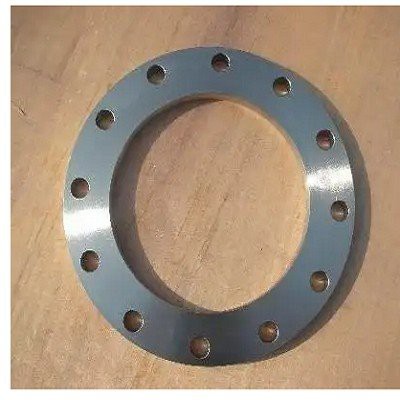

Defining Standard and Customized Flat Face Flanges
Before we discuss price differences, it's essential to clarify what standard and customized flat face flanges are. A standard Flat Face Flange adheres to specific industry standards such as ASME, DIN, or JIS. These flanges are mass-produced in predefined sizes, materials, and pressure ratings. Their production is highly streamlined, with manufacturers using standardized molds and processes. This results in consistent quality and dimensions across the products.
On the other hand, customized flat face flanges are designed to meet the unique requirements of a particular application. They may vary in size, shape, material composition, or have special features like additional holes or non - standard finishes. Customization allows for greater flexibility in meeting specific project needs, but it also adds complexity to the manufacturing process.
Factors Influencing the Price of Standard Flat Face Flanges
The pricing of standard flat face flanges is influenced by several key factors. First and foremost is the material. Common materials include carbon steel, stainless steel, and alloy steel, each with its own cost implications. Carbon steel is generally the most affordable due to its widespread availability and relatively simple production process. Stainless steel, with its corrosion - resistant properties, is more expensive because of the higher cost of raw materials and the processing required to achieve its corrosion - resistant characteristics. Alloy steel, which offers enhanced strength and durability, is typically the most costly option.
Another significant factor is the production volume. Since standard flanges are mass - produced, economies of scale come into play. Larger production runs result in lower per - unit costs as fixed costs such as tooling and setup are spread over a greater number of units. For example, a supplier may offer a more competitive price for an order of 1000 standard flanges compared to an order of 100.
Moreover, market demand also affects the price. During periods of high demand, prices tend to rise as suppliers may face capacity constraints. Conversely, in a sluggish market, suppliers may offer discounts to stimulate sales.
Factors Affecting the Price of Customized Flat Face Flanges
Customized flat face flanges carry additional costs due to the nature of their production. The design phase is often more complex and time - consuming. Engineers need to work closely with the client to understand their requirements and create detailed design plans. This involves additional labor and expertise, which is reflected in the price.
Material procurement for customized flanges can also be more expensive. If the client requests a rare or specialized material, the supplier may have to source it from a limited number of suppliers, which can drive up the cost. For instance, if a client needs a flat face flange made from a high - nickel alloy for a highly corrosive environment, the cost of the raw material will be significantly higher than standard carbon steel.
Customization also involves unique manufacturing processes. Unlike standard flanges produced using standardized molds, customized flanges may require special machining, welding, or surface treatment. These processes may demand specialized equipment and highly skilled operators, increasing production costs. For example, the Sliding Sleeve Flat Flange 8 Hole which is a specialized type of flat face flange, may have a higher price due to its unique design and production requirements.
Comparing the Price Differences
In general, standard flat face flanges are more cost - effective compared to customized ones. The price of a standard carbon steel flat face flange can range from a few dollars to several hundred dollars, depending on its size and pressure rating. For larger projects where standard flanges meet the requirements, the cost savings can be substantial.
Customized flat face flanges, however, can cost anywhere from 20% to several times more than their standard counterparts. The exact price increase depends on the level of customization. A minor customization, such as a non - standard hole pattern, may result in a relatively small price increase. However, significant customization, such as a custom shape and the use of rare materials, can lead to a substantial price hike.
Making the Right Choice
When deciding between standard and customized flat face flanges, buyers need to weigh the cost against their specific requirements. If a project can be adequately served by a standard flange, choosing the standard option will likely result in cost savings. However, if the project has unique needs that cannot be met by standard flanges, such as extreme temperature, pressure, or corrosion conditions, investing in a customized flange is often the better choice.
As a supplier, I've had many clients who initially considered only the cost of standard flanges but later realized the importance of customization for their projects. For example, a company in the chemical industry was initially planning to use standard carbon steel flanges for a new pipeline system. However, upon further evaluation, they found that the corrosive nature of the chemicals in the pipeline required a customized stainless - steel flange with a special coating. Although the customized flanges were more expensive, they provided long - term reliability and reduced the risk of leaks and downtime.
Conclusion
In conclusion, the price difference between standard and customized Flat Face Flange is significant and is influenced by multiple factors including material, production volume, design complexity, and market demand. Understanding these factors will enable buyers to make informed decisions when selecting the appropriate flange for their projects.
If you are in the market for flat face flanges and need more information on pricing, customization options, or product specifications, feel free to reach out. We are here to assist you in finding the most suitable flange solution for your needs. Our team of experts can provide personalized advice and guidance to ensure that you get the best value for your investment.
References
- ASME B16.5 Standard for Pipe Flanges and Flanged Fittings
- DIN EN 1092 Flange Standards (European Standards)
- Literature from Flange Manufacturing Industry Associations