

What are the quality control points for Slip Blind production?
Dec 11, 2025
Hey there! I'm a supplier of Slip Blind products, and today I want to chat with you about the quality control points for Slip Blind production. It's super important to ensure the quality of these products, as they play a crucial role in various industries. So, let's dive right in!
Material Selection
The first and most fundamental quality control point is material selection. The quality of the material directly affects the performance and lifespan of the Slip Blind. For Slip Blinds, we usually use high - quality metals such as carbon steel, stainless steel, and alloy steel.
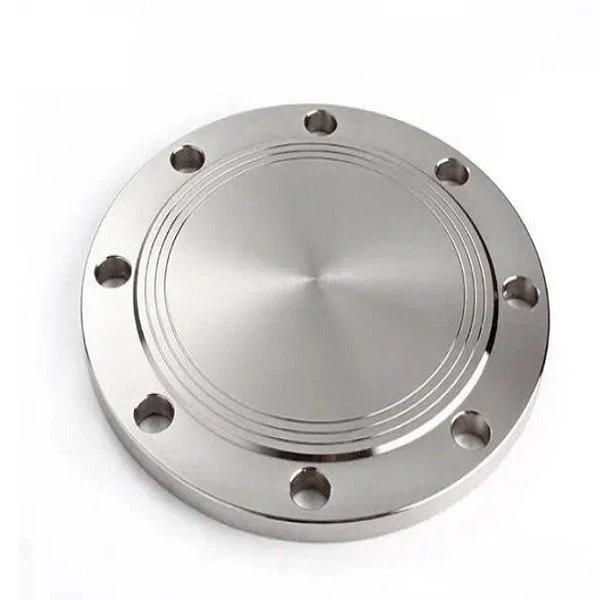
Carbon steel is a popular choice due to its low cost and good strength. It's suitable for many general - purpose applications. However, when the application requires better corrosion resistance, stainless steel is the way to go. Stainless Steel Forged RF Blind Flange is a great example of a high - quality product made from stainless steel. Alloy steel, on the other hand, offers a combination of high strength and other special properties, which is ideal for harsh working environments.
We always source materials from reliable suppliers. Before starting production, we conduct strict material inspections. This includes checking the material's chemical composition, mechanical properties, and surface quality. For example, we use spectrometers to analyze the chemical composition to ensure it meets the required standards.
Dimensional Accuracy
Dimensional accuracy is another key quality control point. The Slip Blind needs to fit precisely into the pipeline system. Any deviation in dimensions can lead to leakage or installation problems.
We have a set of strict dimensional control procedures. First, we use advanced machining equipment to ensure high - precision manufacturing. During the production process, we measure the dimensions at multiple stages. For example, we measure the outer diameter, inner diameter, thickness, and bolt hole diameter of the Slip Blind. We use tools like calipers, micrometers, and coordinate measuring machines (CMM) for accurate measurements.
If the dimensions are out of the specified tolerance range, we will take corrective measures immediately. This may involve re - machining the part or even scrapping it if the deviation is too large.

Surface Quality
The surface quality of the Slip Blind is not only about appearance but also affects its performance. A smooth surface can reduce the risk of corrosion and improve the sealing performance.
We pay close attention to the surface finish during production. After machining, we perform processes like polishing and grinding to achieve a smooth surface. We also inspect the surface for any defects such as cracks, pores, or scratches.
For example, we use non - destructive testing methods like ultrasonic testing and magnetic particle testing to detect internal cracks on the surface. If any surface defects are found, we will repair or discard the product according to the severity of the defect.
Heat Treatment
Heat treatment is an important process in Slip Blind production, which can improve the mechanical properties of the material. Different heat treatment processes, such as annealing, quenching, and tempering, can be used depending on the material and application requirements.
During heat treatment, we strictly control the temperature, time, and cooling rate. We use advanced heat treatment equipment with precise temperature control systems. After heat treatment, we also conduct mechanical property tests, such as tensile tests and hardness tests, to ensure that the product meets the required mechanical performance standards.
Assembly and Testing
Once the individual parts of the Slip Blind are manufactured, we move on to the assembly process. During assembly, we ensure that all components are properly installed and tightened. We follow strict assembly procedures to ensure the integrity of the product.
After assembly, we conduct comprehensive testing. This includes pressure testing to check the sealing performance of the Slip Blind. We simulate the actual working conditions and apply a certain pressure to the product to see if there is any leakage. We also perform other tests such as visual inspection and functional testing to ensure the overall quality of the product.
Documentation and Traceability
In addition to the above quality control points, documentation and traceability are also very important. We keep detailed records of every stage of production, including material sourcing, machining, heat treatment, assembly, and testing.
These records not only help us to monitor the production process but also provide traceability for our customers. If there are any quality problems in the future, we can quickly trace back to the source and take corresponding measures.
Why Choose Our Slip Blind?
As a professional Slip Blind supplier, we have a strict quality control system in place. Our products are made with high - quality materials and undergo rigorous testing to ensure that they meet or exceed industry standards. Whether you need a standard Slip Blind or a customized Pipe Blind Flange, we can provide you with the best solution.
If you are interested in our Slip Blind products or want to discuss your specific requirements, please feel free to contact us for a purchasing consultation. We are always ready to answer your questions and provide you with the best service.
References
- ASME B16.5 - Standard for Pipe Flanges and Flanged Fittings
- API 6A - Specification for Wellhead and Christmas Tree Equipment