

What is the dynamic performance of a blind flange?
Aug 29, 2025
Hey there! As a supplier of blind flanges, I've been getting a lot of questions lately about the dynamic performance of these nifty little components. So, I thought I'd take a few minutes to break it down for you and explain what makes a blind flange tick.
First off, let's talk about what a blind flange is. In simple terms, a blind flange is a solid disk that's used to seal the end of a pipe, valve, or other equipment. It's typically bolted onto the flange connection, creating a tight seal that prevents fluid or gas from escaping. Blind flanges come in a variety of sizes, materials, and pressure ratings, making them suitable for a wide range of applications.
Now, when it comes to the dynamic performance of a blind flange, there are a few key factors to consider. One of the most important is the sealing performance. A good blind flange should be able to maintain a tight seal even under high pressure and temperature conditions. This is crucial for preventing leaks and ensuring the safety and reliability of your piping system.
Another factor to consider is the mechanical strength of the blind flange. It needs to be able to withstand the forces and stresses that are applied to it during operation. This includes the pressure of the fluid or gas inside the pipe, as well as any external forces such as vibration or thermal expansion. A strong and durable blind flange will help to prevent damage and ensure the long-term performance of your system.
In addition to sealing performance and mechanical strength, the dynamic performance of a blind flange can also be affected by factors such as corrosion resistance, fatigue resistance, and thermal conductivity. These properties can vary depending on the material used to manufacture the blind flange, so it's important to choose the right material for your specific application.

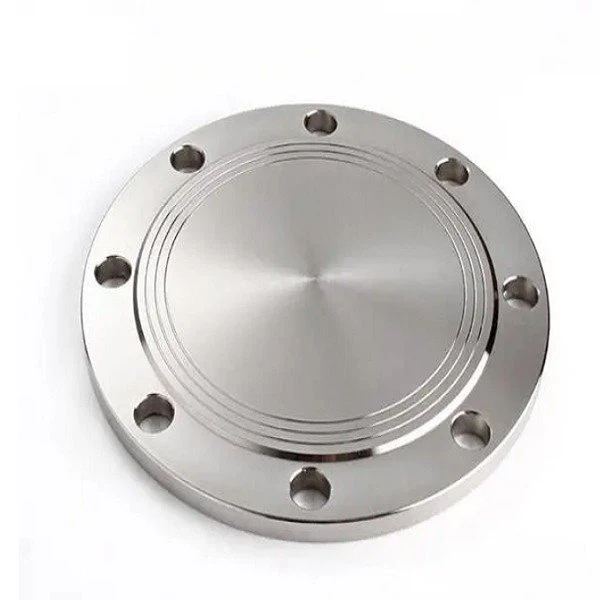
Let's take a closer look at some of the different types of blind flanges and their dynamic performance characteristics.
Pipe Blind Flange
A Pipe Blind Flange is one of the most common types of blind flanges. It's typically used to seal the end of a pipe and is available in a variety of sizes and pressure ratings. Pipe blind flanges are usually made from materials such as carbon steel, stainless steel, or alloy steel, which offer good mechanical strength and corrosion resistance.
The dynamic performance of a pipe blind flange depends on several factors, including the quality of the sealing surface, the tightness of the bolts, and the material properties of the flange. A well-designed and properly installed pipe blind flange should be able to maintain a tight seal even under high pressure and temperature conditions.
Stainless Steel Forged RF Blind Flange
A Stainless Steel Forged RF Blind Flange is a high-quality blind flange that's made from forged stainless steel. Forging is a manufacturing process that involves shaping the metal by applying pressure and heat, which results in a stronger and more durable product.
Stainless steel is a popular choice for blind flanges because it offers excellent corrosion resistance, high strength, and good thermal conductivity. A stainless steel forged RF blind flange is typically used in applications where corrosion resistance is a critical factor, such as in chemical processing plants, food and beverage industries, and marine environments.
The dynamic performance of a stainless steel forged RF blind flange is generally very good. It can withstand high pressures and temperatures, and its corrosion resistance helps to prevent damage and ensure the long-term performance of the system.
Slip Blind
A Slip Blind is a type of blind flange that's designed to be easily installed and removed. It consists of a flat plate with a central hole that's slipped over the end of the pipe and then bolted in place. Slip blinds are often used in applications where frequent access to the pipe is required, such as in maintenance or inspection operations.
The dynamic performance of a slip blind is similar to that of other types of blind flanges. It needs to be able to maintain a tight seal and withstand the forces and stresses that are applied to it during operation. However, because slip blinds are designed to be easily removable, they may require more frequent inspection and maintenance to ensure their continued performance.
So, there you have it - a brief overview of the dynamic performance of a blind flange. As you can see, there are several factors to consider when choosing a blind flange for your application, and it's important to choose the right type and material to ensure the best possible performance.
If you're in the market for a blind flange, I'd be happy to help you find the right product for your needs. Just give me a call or send me an email, and we can discuss your requirements in more detail. I look forward to hearing from you and helping you with your blind flange needs.
References
- ASME B16.5 - Pipe Flanges and Flanged Fittings
- ASTM A105 - Standard Specification for Carbon Steel Forgings for Piping Applications
- ASTM A350 - Standard Specification for Carbon and Low-Alloy Steel Forgings, Requiring Notch Toughness Testing for Piping Components