

What are the installation requirements for a Slip On Flange?
Dec 31, 2025
Slip on flanges are a popular choice in many piping systems due to their ease of installation and cost - effectiveness. As a slip on flange supplier, I've dealt with a wide variety of customers, each with unique installation needs. In this blog, I'm gonna walk you through the installation requirements for a slip on flange.
Preparation
Firstly, before you even think about installing the slip on flange, you've got to do some solid preparation work. You need to have everything ready to avoid a whole lot of headaches later on.
Piping Inspection
The piping that the slip on flange will be attached to is crucial. Start by giving it a thorough inspection. Check for any signs of damage, like cracks, dents, or corrosion. A damaged pipe can significantly affect the performance and safety of the flange - pipe connection. If you find any issues, it's best to fix or replace the pipe before proceeding. You can use calipers to measure the outer diameter of the pipe. Make sure it matches the inner diameter of the slip on flange. For example, if you're using a Carbon Slip On Flange, it's designed to fit specific pipe sizes. A mismatch in size can lead to leaks or a weak connection.
Cleaning
Once you've confirmed the pipe is in good shape, clean the pipe and the flange thoroughly. Any dirt, grease, or debris can prevent a proper seal. You can use a wire brush or a suitable cleaning agent to clean the surfaces. For pipes that have been in use for a while, you might need to apply some extra elbow grease to get rid of rust or scale. Cleaning the flange's inner bore and the outer surface of the pipe is essential to ensure a snug fit.
Gasket Selection
Selecting the right gasket is a big deal. The gasket is what creates a tight seal between the flange faces. You need to pick a gasket based on the fluid or gas that will be flowing through the piping system, as well as the operating temperature and pressure. For instance, if your system is dealing with high - temperature applications, you'll need a heat - resistant gasket. If it's a corrosive fluid, a gasket made of a corrosion - resistant material is a must.
Alignment
Getting the alignment right is super important for the successful installation of a slip on flange. If the flanges aren't aligned properly, it can cause uneven stress on the bolts, leading to leaks or even failure of the connection.
Center Alignment
Begin by inserting the pipe into the slip on flange. The pipe should fit snugly inside the flange. Make sure the pipe is centered within the flange. You can use a simple straightedge to check if the pipe is straight and centered. If it's off - center, the flange may not sit evenly when it's bolted to another flange. This misalignment can also cause problems when attempting to install the bolts later on.
Face - to - Face Alignment
When you're connecting two flanges together, their faces need to be perfectly aligned. This means that they should be parallel to each other. You can use a feeler gauge to check the gap between the flange faces at multiple points around the circumference. A consistent gap indicates proper alignment. If the gap varies too much, you'll need to adjust the position of the flanges until they're parallel.
Bolt Installation
Bolt installation is another key step in the process. The bolts are what hold the flanges together and ensure a tight seal.
Bolt Selection
Choose the right type and size of bolts for your slip on flange. The bolts should be able to withstand the operating conditions of your piping system, including the pressure and temperature. For example, if you're using a SS316L Stainless Steel Slip On Flange, stainless - steel bolts are often a good choice because they offer corrosion resistance.
Torqueing
Proper torqueing of the bolts is crucial. Over - tightening the bolts can damage the flange or the gasket, while under - tightening can lead to leaks. You should follow the manufacturer's recommended torque values. Use a torque wrench to ensure that each bolt is tightened to the correct specification. Start by tightening the bolts in a criss - cross pattern. This helps to distribute the stress evenly across the flange faces. After the initial tightening, go back and re - check the torque of each bolt to make sure they're all at the right level.
Welding (Optional but Common)
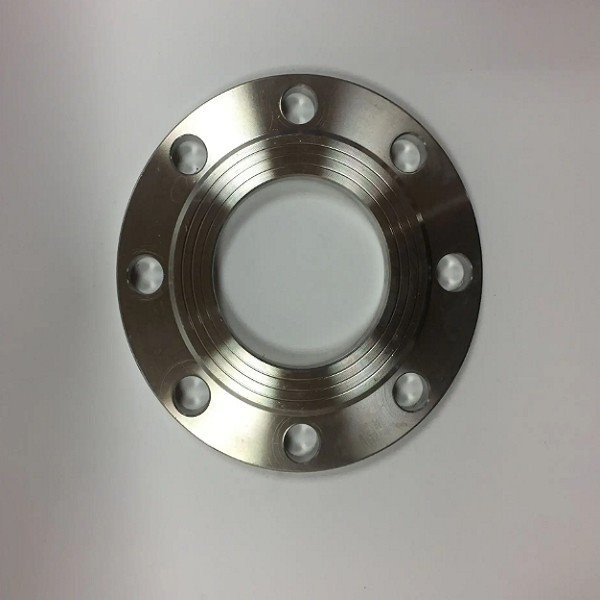
In many cases, slip on flanges are welded to the pipe to provide additional strength and prevent movement.

Welding Preparation
If you're going to weld the flange to the pipe, you need to prepare the surfaces properly. This involves cleaning the areas to be welded to remove any contaminants. You may also need to bevel the edges of the pipe and the flange according to the welding requirements.
Welding Procedure
Use the appropriate welding process and filler material. The welding should be done by a qualified welder. After welding, inspect the weld for any defects, such as cracks or porosity. A proper weld will ensure a strong and durable connection between the flange and the pipe.
Testing
Once the installation is complete, it's essential to test the system.
Pressure Testing
Conduct a pressure test to check for any leaks. Gradually increase the pressure in the piping system to the operating pressure and hold it for a specified period. Monitor the flanged connections carefully for any signs of leakage. If you detect a leak, you'll need to identify the source and make the necessary repairs.
Visual Inspection
Perform a visual inspection of the flange installation. Check for any signs of damage or misalignment that may have occurred during the testing process. Make sure that all the bolts are still tight and that the flange faces are in good condition.
Considerations for Different Materials
The installation requirements can vary depending on the material of the slip on flange. For example, Stainless Steel Slip On Flange has different corrosion - resistance properties compared to a carbon steel flange. When using a stainless - steel flange, you need to be careful about the welding process to avoid any issues with corrosion at the weld site. You may need to use a specific type of filler material that matches the stainless - steel composition.
On the other hand, carbon steel flanges are more prone to rust if not properly protected. So, after installation, it's a good idea to apply a protective coating to prevent corrosion.
Conclusion
Installing a slip on flange requires careful attention to detail at every step. From preparation to testing, each stage plays a vital role in ensuring a successful and long - lasting installation. As a slip on flange supplier, I'm always here to help answer any questions you may have about the installation process. If you're in the market for high - quality slip on flanges or need more guidance on installation requirements, don't hesitate to reach out. We can work together to find the best solutions for your piping system needs.
References
- ASME B16.5 - Pipe Flanges and Flanged Fittings
- API 6A - Specification for Wellhead and Christmas Tree Equipment