

What are the packaging requirements for a Slip On Flange?
Jul 01, 2025
Hey there! As a supplier of Slip On Flanges, I've got a ton of experience when it comes to these essential components. Today, I'm gonna talk about the packaging requirements for Slip On Flanges. It's a topic that might not seem super exciting at first, but it's actually crucial for making sure these flanges reach our customers in top - notch condition.
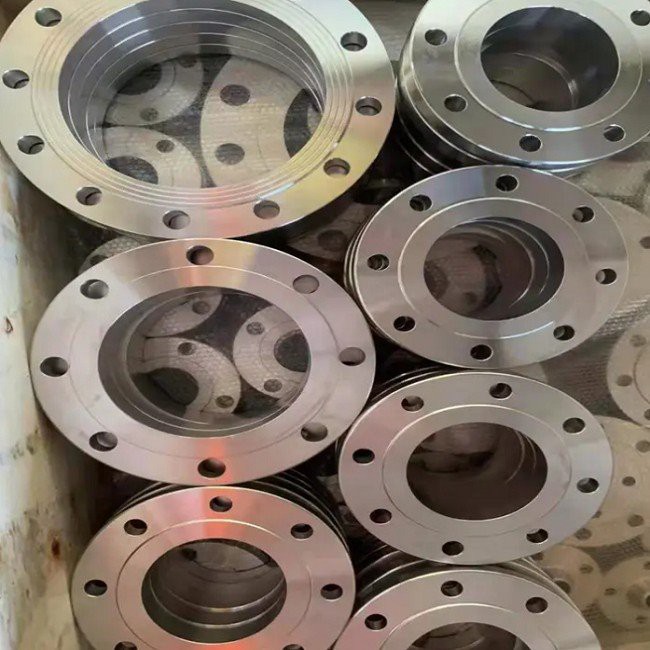
First off, let's understand what Slip On Flanges are. They're a type of flange that slides over the pipe and is then welded in place. They're widely used in various industries like oil and gas, water treatment, and manufacturing. We offer different types of Slip On Flanges, such as the SS316L Stainless Steel Slip On Flange and the 304 316 310 Ss Slip On Flange. Each type has its own unique features and applications, but when it comes to packaging, there are some general rules that apply.
Protection Against Corrosion
One of the most important aspects of packaging Slip On Flanges is protecting them from corrosion. Flanges are often made of metals like stainless steel, carbon steel, or alloy steel, which can rust or corrode if exposed to moisture or certain chemicals. To prevent this, we use special anti - corrosion coatings or films.
For smaller flanges, we usually wrap them individually in plastic film that has anti - corrosion properties. This film acts as a barrier between the flange and the outside environment, keeping moisture and air away. For larger flanges, we might use a more heavy - duty anti - corrosion spray. This spray forms a protective layer on the surface of the flange, preventing rust and corrosion from occurring during transportation and storage.
Preventing Physical Damage
Another key requirement is to prevent physical damage to the flanges. Slip On Flanges can be quite heavy and have sharp edges, so they need to be packed in a way that prevents them from hitting each other or other objects during transit.
We use wooden crates or pallets for packaging. Wooden crates are great because they're sturdy and can be customized to fit the size and shape of the flanges. Inside the crate, we use cushioning materials like foam or rubber pads. These materials absorb shock and vibration, reducing the risk of damage to the flanges.
When loading the flanges into the crate, we make sure to stack them properly. We avoid stacking them too high, as this can cause the bottom flanges to bear too much weight and get damaged. Also, we separate the flanges with dividers to prevent them from rubbing against each other.
Labeling and Identification
Proper labeling is also a must. Each package should have clear labels that indicate the type of flange, its size, material, and quantity. This makes it easier for our customers to identify the flanges they need and ensures that they receive the correct products.
We usually print the labels directly on the packaging or use adhesive labels. The labels are made of durable materials that can withstand the rigors of transportation. In addition to the basic information, we also include our company logo and contact information on the labels. This way, if there are any issues or questions, our customers can easily get in touch with us.
Packaging for Different Sizes and Quantities
The packaging requirements can vary depending on the size and quantity of the Slip On Flanges. For small - quantity orders of small - sized flanges, we might use cardboard boxes instead of wooden crates. Cardboard boxes are more cost - effective for these types of orders, and they can still provide adequate protection.
For large - quantity orders of large - sized flanges, we might use specialized shipping containers. These containers are designed to handle heavy loads and can be transported by trucks, trains, or ships. They offer maximum protection and security for the flanges during long - distance transportation.
Compliance with Shipping Regulations
We also need to comply with shipping regulations. Different countries and regions have different rules regarding the packaging and transportation of goods. For example, some countries have strict regulations on the use of wooden packaging materials due to concerns about pests and diseases.
We make sure to follow all these regulations. If we're using wooden crates, we treat them with appropriate chemicals to meet the phytosanitary requirements. We also obtain the necessary certificates and documentation to prove that our packaging meets the shipping regulations.
Our Special Offerings
As a Slip On Flange supplier, we're always looking for ways to improve our packaging. We offer custom - made packaging solutions for our customers. If you have specific requirements for the packaging of your flanges, just let us know, and we'll do our best to accommodate you.
We also offer the PN10 PN16 Slip On Flange, which is a popular choice for many industries. These flanges are known for their high - quality and durability, and we make sure to package them with the same level of care as our other products.

Contact Us for Your Purchases
If you're in the market for Slip On Flanges, we'd love to hear from you. Whether you're a small business or a large corporation, we can provide you with high - quality flanges and excellent packaging solutions. Just reach out to us, and we'll be happy to discuss your requirements and give you a quote. We're committed to providing the best products and services to our customers, and we're confident that you'll be satisfied with our Slip On Flanges.
References
- American Society of Mechanical Engineers (ASME) standards for flange manufacturing and packaging.
- International Maritime Organization (IMO) regulations for shipping goods.
- Industry best practices for packaging metal products.