

How to choose the right flat flange?
Sep 04, 2025
When it comes to selecting the right flat flange for your project, there are numerous factors to consider. As a trusted flat flange supplier, I understand the importance of making an informed decision. In this blog post, I'll guide you through the key considerations to help you choose the perfect flat flange for your specific needs.
Understanding Flat Flanges
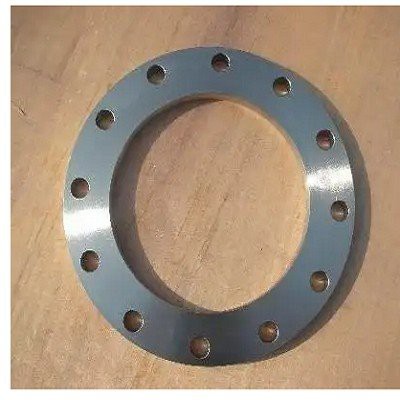
Flat flanges are essential components in piping systems, used to connect pipes, valves, pumps, and other equipment. They provide a secure and leak - tight connection, ensuring the efficient and safe operation of the entire system. Flat flanges come in various types, materials, sizes, and pressure ratings, each designed to meet different application requirements.
Types of Flat Flanges
- Sliding Sleeve Flat Flange 8 Hole
Sliding sleeve flat flanges with 8 holes are a popular choice in many industrial applications. These flanges are designed to slide over the pipe and are then welded in place. The 8 - hole design provides a balanced and secure connection. You can learn more about Sliding Sleeve Flat Flange 8 Hole on our website. - Stainless Steel 304 Flat Flange
Stainless steel 304 flat flanges are known for their corrosion resistance and durability. They are suitable for a wide range of applications, including food processing, chemical, and pharmaceutical industries. The 304 grade stainless steel offers excellent strength and resistance to oxidation. To explore our Stainless Steel 304 Flat Flange products, click the link. - Flat Face Flange
Flat face flanges are commonly used in low - pressure applications. They have a flat sealing surface, which makes them easy to install and maintain. Our Flat Face Flange products are manufactured to high standards, ensuring reliable performance.
Factors to Consider When Choosing a Flat Flange
1. Material
The choice of material is crucial as it determines the flange's performance, durability, and resistance to corrosion.
- Carbon Steel: Carbon steel flanges are strong and cost - effective. They are suitable for general - purpose applications where corrosion is not a major concern.
- Stainless Steel: As mentioned earlier, stainless steel flanges, such as those made from 304 or 316 grades, offer excellent corrosion resistance. They are ideal for applications in harsh environments or where hygiene is important.
- Alloy Steel: Alloy steel flanges are used in high - temperature and high - pressure applications. They have enhanced strength and heat resistance compared to carbon steel.
2. Size and Pressure Rating
- Size: The size of the flat flange should match the pipe size. It is important to measure the pipe diameter accurately to ensure a proper fit. Common pipe sizes range from 1/2 inch to 48 inches or more.
- Pressure Rating: The pressure rating of the flange indicates the maximum pressure it can withstand without failure. You need to select a flange with a pressure rating that is appropriate for the operating pressure of your system. Pressure ratings are typically expressed in classes, such as Class 150, Class 300, etc.
3. Application Environment
- Temperature: Consider the operating temperature of your system. High - temperature applications may require flanges made from materials with good heat resistance, such as alloy steel.
- Corrosive Environment: If the flange will be exposed to corrosive substances, such as chemicals or saltwater, choose a corrosion - resistant material like stainless steel.
- Vibration and Shock: In applications where there is significant vibration or shock, select a flange with a design that can withstand these forces, such as a welded flange.
4. Sealing Requirements
The sealing performance of the flange is critical to prevent leaks. Different types of gaskets can be used with flat flanges, depending on the application.
- Soft Gaskets: Soft gaskets, such as rubber or graphite gaskets, are suitable for low - pressure applications. They provide a good seal and are relatively inexpensive.
- Metal Gaskets: Metal gaskets, such as spiral - wound gaskets or ring - joint gaskets, are used in high - pressure and high - temperature applications. They offer better sealing performance and durability.
Installation and Maintenance
Proper installation and maintenance are essential for the long - term performance of flat flanges.
- Installation: Follow the manufacturer's installation instructions carefully. Ensure that the flange is properly aligned with the pipe and that all bolts are tightened evenly to the recommended torque.
- Maintenance: Regularly inspect the flanges for signs of corrosion, leakage, or damage. Replace any worn or damaged gaskets or bolts as needed.
Quality Assurance
As a flat flange supplier, we are committed to providing high - quality products. Our flanges are manufactured in accordance with international standards, such as ASTM, ASME, and DIN. We conduct strict quality control checks at every stage of the manufacturing process to ensure that our products meet or exceed your expectations.

Conclusion
Choosing the right flat flange is a critical decision that can affect the performance and safety of your piping system. By considering factors such as material, size, pressure rating, application environment, and sealing requirements, you can select a flange that is best suited for your needs. If you have any questions or need further assistance in choosing the right flat flange, please feel free to contact us. We are here to help you make the best choice for your project. Whether you are in the industrial, commercial, or residential sector, our wide range of flat flange products can meet your diverse requirements. Don't hesitate to reach out to us for procurement discussions and let us help you find the perfect flat flange solution.
References
- ASME B16.5 - Pipe Flanges and Flanged Fittings
- ASTM A105/A105M - Standard Specification for Carbon Steel Forgings for Piping Applications
- DIN 2501 - Flanges - Dimensions