

How does temperature affect flat flanges?
Dec 03, 2025
Hey there! As a flat flange supplier, I've seen firsthand how temperature can have a big impact on these essential components. In this blog, I'm gonna break down how different temperatures can affect flat flanges and what you need to know to make the right choices for your projects.
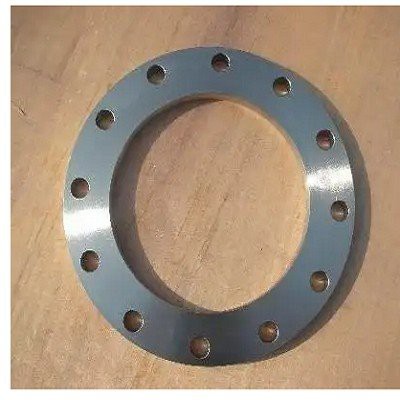
Let's start with the basics. Flat flanges are used in a wide range of industries, from plumbing to oil and gas. They're basically flat discs with holes in them that are used to connect pipes, valves, and other equipment. They come in different materials, sizes, and designs, but one thing they all have in common is that they need to be able to withstand the conditions they're exposed to.
Low Temperatures
When it comes to low temperatures, flat flanges can face a few challenges. One of the main issues is that metals tend to become more brittle as the temperature drops. This means that the flange may be more likely to crack or break under stress. For example, if you're using a Stainless Steel 304 Flat Flange in a cold environment, the material's ductility decreases, and it becomes less forgiving when subjected to sudden loads or vibrations.
Another problem is the contraction of materials. As the temperature drops, the metal in the flange will shrink. If the pipes or other components connected to the flange don't contract at the same rate, it can create stress on the flange. This stress can lead to leaks or even cause the flange to fail completely. For instance, if you have a Flat Face Flange connecting two pipes of different materials with different coefficients of thermal expansion, the differential contraction can put a lot of strain on the flange joint.
To deal with low temperatures, it's important to choose the right material for your flange. Some metals are more resistant to cold brittleness than others. For example, certain grades of stainless steel or nickel alloys can maintain their toughness at low temperatures. You also need to make sure that the flange is properly installed and that the joint is designed to accommodate the thermal contraction. This might involve using gaskets that can withstand low temperatures or adding expansion joints to the system.
High Temperatures
High temperatures can also pose significant challenges for flat flanges. One of the most obvious effects is the expansion of materials. As the temperature rises, the metal in the flange will expand. If the expansion is not properly accounted for, it can cause the flange to warp or distort. This can lead to leaks at the joint, as the flange may no longer fit tightly against the mating surface.
Another issue is the softening of the metal. At high temperatures, the strength of the flange material can decrease. This means that the flange may not be able to withstand the same amount of pressure or load as it could at lower temperatures. For example, if you're using a Sliding Sleeve Flat Flange 8 Hole in a high-temperature application, the material may become too soft to hold the bolts tightly, which can result in a loose joint.
In addition, high temperatures can accelerate the corrosion process. The heat can cause chemical reactions to occur more quickly, which can lead to the degradation of the flange material. This is especially true in environments where there are corrosive substances present, such as in chemical plants or power generation facilities.
To handle high temperatures, you need to select a flange material that can withstand the heat. Some materials, like high-alloy steels or ceramics, have better high-temperature properties than others. You also need to consider the design of the flange and the joint. For example, using a flange with a thicker wall can help to reduce the effects of expansion and maintain the integrity of the joint. Additionally, proper insulation can be used to keep the temperature of the flange within an acceptable range.
Temperature Cycling
Temperature cycling is another factor that can affect flat flanges. This occurs when the temperature of the flange fluctuates between high and low values over time. Temperature cycling can cause fatigue in the flange material. Each time the flange expands and contracts, it creates stress in the metal. Over time, these repeated stress cycles can lead to cracks and ultimately, failure of the flange.
To prevent fatigue failure due to temperature cycling, you need to use a flange material with good fatigue resistance. You also need to design the joint to minimize the stress caused by the expansion and contraction. This might involve using flexible gaskets or adding dampers to the system to absorb the shock of the temperature changes.
Real-World Examples
Let's take a look at some real-world examples of how temperature affects flat flanges. In a refrigeration system, the flanges are exposed to very low temperatures. If the wrong type of flange material is used, it can crack and cause refrigerant leaks. This not only affects the performance of the system but can also be a safety hazard.
On the other hand, in a power plant, the flanges in the steam lines are exposed to high temperatures. If the flanges are not designed to handle the heat, they can warp and cause steam leaks. This can lead to energy losses and potential damage to the equipment.

Conclusion
As you can see, temperature has a significant impact on flat flanges. Whether it's low temperatures, high temperatures, or temperature cycling, it's crucial to choose the right flange material and design the joint properly to ensure the reliability and safety of your system.
If you're in the market for flat flanges and need help choosing the right ones for your specific temperature conditions, don't hesitate to reach out. We're here to assist you in making the best decision for your project. Whether it's a Stainless Steel 304 Flat Flange, a Flat Face Flange, or a Sliding Sleeve Flat Flange 8 Hole, we've got you covered. Contact us today to start the procurement process and let's work together to find the perfect solution for your needs.
References
- ASME Boiler and Pressure Vessel Code
- API Standards for Flanges
- Material Science and Engineering textbooks on metal properties at different temperatures