

Can stainless steel plates be used in the mining industry?
Jul 31, 2025
Hey there! As a supplier of stainless steel plates, I often get asked if these plates can be used in the mining industry. Well, the short answer is yes! But let's dive deeper into this topic and explore why stainless steel plates are a great choice for mining operations.
Why Stainless Steel?
First off, let's talk about what makes stainless steel so special. Stainless steel is an alloy made up of iron, chromium, and other elements. The chromium in stainless steel forms a thin, invisible layer of chromium oxide on the surface of the metal. This layer acts as a protective barrier, preventing the metal from rusting and corroding.
In the mining industry, equipment and structures are often exposed to harsh environments. There's a lot of moisture, chemicals, and abrasive materials around. Regular steel would rust and degrade quickly in such conditions. But stainless steel can withstand these challenges like a champ. It's resistant to corrosion from acids, alkalis, and salts, which are commonly found in mining sites.
Durability and Strength
Mining operations involve heavy machinery and equipment. These machines need to be strong and durable to handle the tough conditions. Stainless steel plates have excellent strength-to-weight ratios. They can bear heavy loads without deforming easily. This means that structures and components made from stainless steel can last longer, reducing the need for frequent replacements.
For example, conveyor systems are widely used in mining to transport ore and other materials. The conveyor belts are supported by frames made of stainless steel plates. These frames need to be strong enough to hold the weight of the conveyor belt and the materials being transported. Stainless steel's high strength ensures that the frames can withstand the constant stress and strain, leading to fewer breakdowns and maintenance costs.
Resistance to Abrasion
Another important factor in the mining industry is abrasion resistance. Mining equipment is constantly in contact with rocks, minerals, and other abrasive materials. Over time, this can cause significant wear and tear on the equipment. Stainless steel plates have good abrasion resistance, which helps to extend the lifespan of the equipment.
Take crushers, for instance. Crushers are used to break down large rocks into smaller pieces. The parts of the crusher that come into contact with the rocks, such as the jaws and liners, are often made of stainless steel. The abrasion resistance of stainless steel ensures that these parts can withstand the constant impact and friction, reducing the need for frequent replacements.
Hygiene and Cleanliness
In some mining operations, especially those involving food-grade minerals or in areas where hygiene is a concern, stainless steel is an ideal choice. Stainless steel is easy to clean and sanitize. It doesn't harbor bacteria or other contaminants, which is important for maintaining a clean and safe working environment.
For example, in the mining of salt or other food-grade minerals, the equipment used for processing and storage needs to be made of a material that is hygienic. Stainless steel plates can be easily cleaned and disinfected, ensuring that the minerals are not contaminated during the mining and processing stages.
Types of Stainless Steel Plates for Mining
There are different types of stainless steel plates that can be used in the mining industry. One popular type is the 321 Stainless Steel Plate. 321 stainless steel contains titanium, which stabilizes the steel and makes it resistant to intergranular corrosion. This makes it suitable for applications where the steel will be exposed to high temperatures and corrosive environments, such as in the exhaust systems of mining vehicles.
Another common type is the 10mm Stainless Steel Plate. The 10mm thickness provides good strength and durability, making it suitable for a variety of mining applications, including the construction of storage tanks, hoppers, and structural frames.
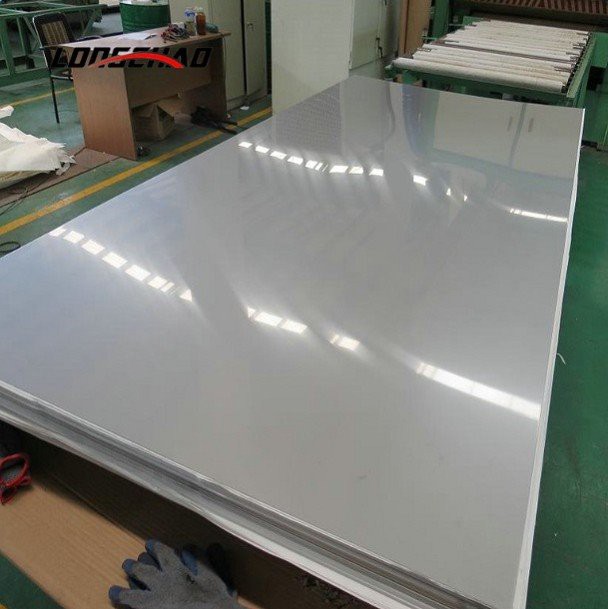
Stainless Steel Sheet Metal 4x8 is also widely used in the mining industry. The 4x8 size is a standard size that is easy to work with and can be cut and shaped to fit different applications. It can be used for making covers, enclosures, and other components.
Cost Considerations
Of course, cost is always a factor in any industry. Stainless steel plates may have a higher initial cost compared to some other materials. However, when you consider the long-term benefits, such as reduced maintenance costs, longer lifespan, and fewer replacements, the overall cost of using stainless steel in the mining industry can be quite competitive.
For example, although the upfront cost of a stainless steel conveyor frame may be higher than a frame made of regular steel, the stainless steel frame will last much longer and require less maintenance. Over the long run, this can result in significant cost savings for the mining company.

Conclusion
In conclusion, stainless steel plates are a great choice for the mining industry. Their corrosion resistance, durability, strength, abrasion resistance, and hygiene properties make them suitable for a wide range of mining applications. Whether it's for conveyor systems, crushers, storage tanks, or other equipment, stainless steel plates can help to improve the efficiency and reliability of mining operations.
If you're in the mining industry and are looking for high-quality stainless steel plates, don't hesitate to reach out. We're here to provide you with the best products and solutions to meet your specific needs. Let's start a conversation and see how we can work together to enhance your mining operations.
References
- ASM Handbook Committee. (2004). ASM Handbook, Volume 13A: Corrosion: Fundamentals, Testing, and Protection. ASM International.
- Metals Handbook Committee. (1990). Metals Handbook, Volume 1: Properties and Selection: Irons, Steels, and High-Performance Alloys. ASM International.