

Can flat flanges be used in pipeline systems?
Nov 20, 2025
Hey there! As a flat flange supplier, I often get asked whether flat flanges can be used in pipeline systems. Well, the short answer is yes, they definitely can! But let's dive a bit deeper into this topic to understand why and when flat flanges are a great choice for pipeline applications.
What Are Flat Flanges?
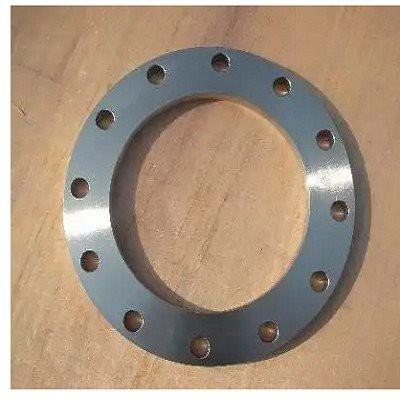
First off, let's quickly go over what flat flanges are. Flat flanges are circular discs with holes around the perimeter for bolts. They're used to connect pipes, valves, pumps, and other equipment in a pipeline system. The flat surface of these flanges provides a smooth mating area, which is crucial for creating a tight seal.
There are different types of flat flanges out there. For example, the Sliding Sleeve Flat Flange 8 Hole is designed with a sliding sleeve feature that allows for easy installation and alignment. And the Flat Face Flange is known for its simple, flat surface that provides a reliable seal in many applications. Also, the Stainless Steel 304 Flat Flange is made from high - quality stainless steel 304, which offers excellent corrosion resistance.
Advantages of Using Flat Flanges in Pipeline Systems
Easy Installation
One of the biggest perks of flat flanges is how easy they are to install. Since they have a flat surface, it's straightforward to align them with other components in the pipeline. You don't have to deal with complex shapes or angles. Just line up the holes, insert the bolts, and tighten them down. This simplicity not only saves time but also reduces the chances of installation errors.

Cost - Effective
Flat flanges are generally more cost - effective compared to some other types of flanges. They require less material to manufacture, and their simple design means lower production costs. This is great news for pipeline projects with budget constraints. You can get a reliable connection without breaking the bank.
Good Sealing Performance
When properly installed, flat flanges can provide a good seal. The flat mating surface allows for even distribution of pressure when the bolts are tightened. This helps to prevent leaks, which is crucial in pipeline systems. Whether you're dealing with water, oil, or gas, a leak - free connection is essential for the safety and efficiency of the system.
Compatibility
Flat flanges are highly compatible with a wide range of pipeline materials and components. They can be used with different types of pipes, such as steel, plastic, or copper. And they can be paired with various valves and pumps, making them a versatile choice for many pipeline applications.
Applications of Flat Flanges in Pipeline Systems
Water Supply Systems
In water supply pipelines, flat flanges are commonly used. They're suitable for both domestic and industrial water systems. For example, in a municipal water distribution network, flat flanges can be used to connect pipes at different junctions. Their corrosion - resistant properties (especially when made from materials like stainless steel) ensure a long - lasting and leak - free connection.
Oil and Gas Pipelines
Flat flanges also have a place in the oil and gas industry. In onshore and offshore pipelines, they can be used to connect different sections of the pipeline. The ability to provide a reliable seal is crucial in these applications, as any leakage can lead to significant environmental and safety hazards.
Chemical Processing Plants
In chemical processing plants, where different chemicals are transported through pipelines, flat flanges are a popular choice. The compatibility with various pipeline materials and the ability to withstand different chemical environments make them suitable for this type of application.
Limitations of Flat Flanges
Pressure Limitations
Flat flanges do have some limitations. One of the main ones is their pressure - handling capacity. They're generally not recommended for high - pressure pipeline systems. In high - pressure situations, the flat surface may not be able to withstand the force exerted by the fluid inside the pipeline, which can lead to leaks or even flange failure.
Temperature Sensitivity
Another limitation is their sensitivity to temperature changes. Extreme temperatures can cause the flat flange to expand or contract, which may affect the seal. In applications where there are significant temperature variations, special considerations need to be taken.
Choosing the Right Flat Flange for Your Pipeline System
When selecting a flat flange for your pipeline system, there are several factors to consider.
Material
The material of the flat flange is crucial. As mentioned earlier, stainless steel 304 is a popular choice due to its corrosion - resistant properties. But for other applications, different materials may be more suitable. For example, carbon steel may be used for general - purpose pipelines, while plastic flanges can be used in low - pressure and non - corrosive environments.
Size and Dimensions
The size and dimensions of the flat flange must match the pipeline. You need to ensure that the flange has the correct diameter and the right number and size of bolt holes. Using an incorrectly sized flange can lead to installation problems and poor sealing performance.
Pressure Rating
As we discussed the pressure limitations of flat flanges, it's important to choose a flange with an appropriate pressure rating for your pipeline system. Make sure to consult the manufacturer's specifications to determine the maximum pressure the flange can handle.
Conclusion
So, to sum it up, flat flanges can definitely be used in pipeline systems. They offer many advantages such as easy installation, cost - effectiveness, good sealing performance, and compatibility. However, they also have some limitations, especially in high - pressure and extreme - temperature applications. By carefully considering the factors like material, size, and pressure rating, you can choose the right flat flange for your pipeline project.
If you're in the market for high - quality flat flanges for your pipeline system, don't hesitate to reach out. We're here to help you find the perfect solution for your needs. Whether you have questions about our Sliding Sleeve Flat Flange 8 Hole, Flat Face Flange, or Stainless Steel 304 Flat Flange, we're just a message away. Let's start a conversation about your pipeline requirements and find the best flat flanges for your project.
References
- "Piping Handbook", Third Edition, by Nayyar, R.K.
- "Flange Design and Engineering", ASME Standards Publication