

Are there any special treatments for stainless steel plates to enhance corrosion resistance?
May 14, 2025
As a seasoned supplier of stainless steel plates, I've witnessed firsthand the growing demand for products with enhanced corrosion resistance. In various industries, from construction to manufacturing, the ability of stainless steel plates to withstand corrosion is crucial for ensuring the longevity and reliability of the final products. This blog post will delve into the special treatments available for stainless steel plates to enhance their corrosion resistance.
Understanding the Basics of Stainless Steel Corrosion
Before we explore the treatments, it's essential to understand why stainless steel corrodes. Stainless steel is an alloy primarily composed of iron, chromium, and often other elements such as nickel, molybdenum, and titanium. Chromium is the key element that gives stainless steel its corrosion - resistant properties. When exposed to oxygen, chromium forms a thin, passive oxide layer on the surface of the steel. This layer acts as a barrier, preventing further oxidation and corrosion.
However, several factors can compromise this passive layer. Harsh environmental conditions, such as exposure to saltwater, acidic chemicals, or high - temperature environments, can break down the oxide layer. Additionally, physical damage, like scratches or abrasions, can expose the underlying metal to corrosive agents.
Special Treatments for Enhanced Corrosion Resistance
Passivation
Passivation is one of the most common treatments for stainless steel plates. It involves the removal of free iron from the surface of the stainless steel, which can act as a site for corrosion initiation. The process typically uses a mild oxidizing acid, such as nitric acid or citric acid, to dissolve the free iron and promote the formation of a more uniform and protective passive oxide layer.
Passivation is relatively simple and cost - effective. It can significantly improve the corrosion resistance of stainless steel plates, especially in mild to moderately corrosive environments. For example, in indoor applications where the plates are exposed to normal atmospheric conditions, passivated stainless steel plates can last much longer without showing signs of corrosion.
Pickling
Pickling is a more aggressive treatment than passivation. It is used to remove scale, rust, and other contaminants from the surface of the stainless steel plate. The process involves immersing the plate in a strong acid solution, usually a mixture of hydrochloric acid and nitric acid.
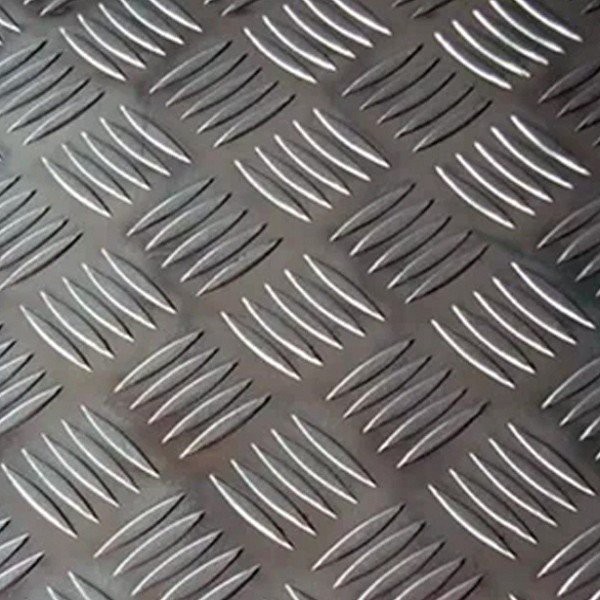
Pickling not only cleans the surface but also exposes fresh metal, which can then form a new and more protective passive layer. However, pickling is a more invasive process and can slightly etch the surface of the steel. After pickling, the plate must be thoroughly rinsed and passivated to restore the passive layer and enhance corrosion resistance. This treatment is commonly used for stainless steel plates that have been exposed to high - temperature processes, such as welding or heat treatment, which can cause the formation of scale and other surface contaminants.
Coating
Applying a coating to the stainless steel plate is another effective way to enhance corrosion resistance. There are several types of coatings available, including organic coatings, inorganic coatings, and metallic coatings.
Organic coatings, such as epoxy or polyurethane coatings, provide a physical barrier between the stainless steel and the corrosive environment. These coatings can be applied by spraying, brushing, or dipping. They are flexible, easy to apply, and can be customized to meet specific requirements. For example, in marine applications, where stainless steel plates are exposed to saltwater, a high - quality epoxy coating can significantly extend the service life of the plates.
Inorganic coatings, such as ceramic coatings, offer excellent heat resistance and chemical resistance. They can withstand high temperatures and harsh chemical environments. Ceramic coatings are often used in industrial applications, such as chemical processing plants or power generation facilities.
Metallic coatings, such as zinc or nickel coatings, can also improve corrosion resistance. These coatings act as sacrificial anodes, corroding preferentially to the stainless steel substrate. Zinc coatings are commonly used in outdoor applications, where the plates are exposed to the elements.

Surface Finishing
The surface finish of a stainless steel plate can also affect its corrosion resistance. A smooth and polished surface is less likely to trap contaminants and moisture, which can lead to corrosion.

Polished Stainless Steel Plate has a mirror - like finish that not only enhances its aesthetic appeal but also improves its corrosion resistance. The polishing process removes surface irregularities and creates a more uniform surface, which is less prone to corrosion.
On the other hand, a rough or textured surface can provide more sites for corrosion initiation. Therefore, for applications where corrosion resistance is a primary concern, a smooth surface finish is often preferred.
Case Studies: The Impact of Treatments on Different Grades of Stainless Steel
321 Stainless Steel Plate
321 stainless steel is a titanium - stabilized austenitic stainless steel. It has good corrosion resistance, especially in high - temperature and oxidizing environments. However, in some aggressive environments, additional treatments can further enhance its performance.
For example, in a chemical processing plant where 321 stainless steel plates are used to construct storage tanks for corrosive chemicals, passivation can improve the plates' resistance to chemical attack. By removing free iron from the surface and promoting the formation of a more protective passive layer, passivation can prevent the initiation of corrosion and extend the service life of the tanks.
10mm Stainless Steel Plate
10mm stainless steel plates are commonly used in heavy - duty applications, such as construction and manufacturing. In outdoor construction projects, these plates are exposed to various environmental factors, including rain, snow, and pollutants.
Applying a zinc coating to 10mm stainless steel plates can significantly enhance their corrosion resistance in outdoor environments. The zinc coating acts as a sacrificial anode, protecting the stainless steel substrate from corrosion. This treatment can ensure that the plates maintain their structural integrity over a long period, even in harsh weather conditions.
Conclusion
In conclusion, there are several special treatments available for stainless steel plates to enhance their corrosion resistance. Passivation, pickling, coating, and surface finishing are all effective methods that can be tailored to specific applications and environmental conditions.
As a supplier of stainless steel plates, I understand the importance of providing high - quality products that meet the diverse needs of our customers. Whether you need Polished Stainless Steel Plate, 321 Stainless Steel Plate, or 10mm Stainless Steel Plate, we can offer products with the appropriate treatments to ensure optimal corrosion resistance.
If you are interested in purchasing stainless steel plates with enhanced corrosion resistance, please feel free to contact us for more information and to discuss your specific requirements. Our team of experts is ready to assist you in finding the best solutions for your projects.
References
- ASM Handbook Volume 13A: Corrosion: Fundamentals, Testing, and Protection. ASM International.
- Stainless Steel: A Practical Guide. Christopher Hall.
- Corrosion Resistance of Stainless Steels. George S. Was.