

Are Slip On Flanges recyclable?
Jan 21, 2026
Slip on flanges are a common type of flange used in various industries for connecting pipes, valves, and other equipment. As a slip on flange supplier, I often receive questions from customers about the recyclability of these products. In this blog post, I will explore the topic of whether slip on flanges are recyclable, the recycling process, and the benefits of recycling.
Are Slip On Flanges Recyclable?
The short answer is yes, slip on flanges are recyclable. Most slip on flanges are made from metals such as carbon steel, stainless steel, and alloy steel. These metals are highly recyclable, and the recycling process can significantly reduce the environmental impact associated with producing new flanges.
Metals have a unique property that allows them to be recycled repeatedly without losing their essential properties. When slip on flanges reach the end of their useful life, they can be collected, sorted, and processed to extract the valuable metals. These recycled metals can then be used to manufacture new flanges or other metal products.
The Recycling Process of Slip On Flanges
The recycling process of slip on flanges typically involves several steps:
Collection
The first step in the recycling process is the collection of used slip on flanges. This can be done through various channels, such as industrial waste management companies, scrap metal dealers, or directly from customers. As a slip on flange supplier, we often encourage our customers to return their used flanges to us for recycling.
Sorting
Once the used flanges are collected, they are sorted based on their material composition. Different metals have different recycling processes, so it is essential to separate them accurately. For example, carbon steel flanges need to be separated from stainless steel and alloy steel flanges.
Cleaning
After sorting, the flanges are cleaned to remove any dirt, grease, or other contaminants. This step is crucial to ensure the quality of the recycled metal. Cleaning methods may include mechanical cleaning, chemical cleaning, or a combination of both.
Melting
The cleaned flanges are then melted in a furnace at high temperatures. The melting process breaks down the flanges into their basic metal components. During this stage, any impurities are removed, and the metal is refined to meet the required quality standards.
Casting
Once the metal is melted and refined, it is cast into new shapes, such as ingots or billets. These can then be further processed into new slip on flanges or other metal products.
Benefits of Recycling Slip On Flanges
Recycling slip on flanges offers several benefits, both environmental and economic:
Environmental Benefits
- Conservation of Natural Resources: Recycling metals reduces the need for mining and extracting new raw materials. This helps to conserve natural resources and protect the environment from the negative impacts of mining, such as habitat destruction and water pollution.
- Energy Savings: The process of recycling metals requires significantly less energy compared to producing new metals from raw materials. For example, recycling steel can save up to 75% of the energy needed to produce new steel.
- Reduction of Greenhouse Gas Emissions: By reducing the energy consumption in metal production, recycling also helps to lower greenhouse gas emissions. This is an important step in combating climate change.
Economic Benefits
- Cost Savings: Recycling can be a cost - effective alternative to producing new flanges. The cost of recycling metals is generally lower than the cost of mining, refining, and manufacturing new metals. This can result in cost savings for both manufacturers and consumers.
- Job Creation: The recycling industry creates jobs in various sectors, including collection, sorting, processing, and manufacturing. This helps to stimulate the local economy and provide employment opportunities.
Types of Recyclable Slip On Flanges
As a slip on flange supplier, we offer a wide range of flanges, many of which are recyclable. Here are some common types:
Carbon Slip On Flange
Carbon slip on flanges are widely used in many industries due to their affordability and good mechanical properties. They are made primarily of carbon steel, which is highly recyclable. You can learn more about our Carbon Slip On Flange.
PN10 PN16 Slip On Flange
PN10 and PN16 slip on flanges are designed to meet specific pressure ratings. These flanges are also commonly made from recyclable materials such as carbon steel and stainless steel. For more information about our PN10 PN16 Slip On Flange and PN10 PN16 Slip On Flange, please visit our website.
Encouraging Recycling in the Industry
As a responsible slip on flange supplier, we are committed to promoting recycling in the industry. We work closely with our customers to educate them about the benefits of recycling and provide them with convenient options for returning their used flanges.
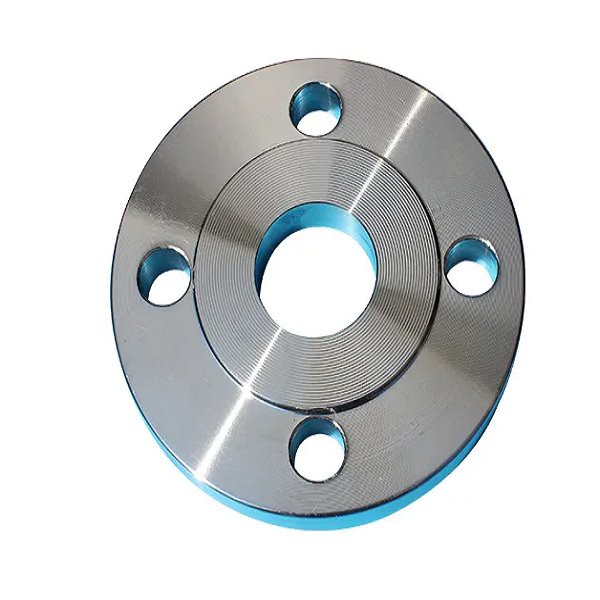

We also invest in research and development to improve the recyclability of our products. By using more sustainable materials and manufacturing processes, we aim to reduce the environmental impact of our flanges throughout their life cycle.
Contact Us for Slip On Flange Procurement
If you are in the market for high - quality slip on flanges, we would be delighted to assist you. Our team of experts can provide you with detailed information about our products, including their recyclability. Whether you need carbon slip on flanges or PN10 PN16 slip on flanges, we have the right solution for your needs.
Contact us today to start a discussion about your procurement requirements. We look forward to working with you to find the best flange solutions for your projects.
References
- "Metal Recycling: An Introduction." World Steel Association.
- "Benefits of Recycling Metals." Institute of Scrap Recycling Industries.
- "Recycling Processes for Steel and Other Metals." American Iron and Steel Institute.