

What is the impact resistance of stainless steel pipes?
Jun 27, 2025
Stainless steel pipes are ubiquitous in various industries due to their durability, corrosion resistance, and aesthetic appeal. One of the critical properties that make them so valuable is their impact resistance. As a leading supplier of stainless steel pipes, I've witnessed firsthand how this characteristic affects their performance in diverse applications. In this blog, we'll explore what impact resistance means for stainless steel pipes, the factors influencing it, and its significance in different industries.
Understanding Impact Resistance
Impact resistance refers to a material's ability to withstand sudden force or shock without cracking, breaking, or deforming permanently. When a stainless steel pipe is subjected to an impact, its internal structure absorbs the energy from the blow. The better the impact resistance, the more effectively the pipe can dissipate this energy and maintain its integrity.
Several factors contribute to the impact resistance of stainless steel pipes. The composition of the stainless steel alloy is a primary determinant. Different grades of stainless steel have varying amounts of elements such as chromium, nickel, and molybdenum, which can enhance the material's toughness and ductility. For instance, 304 Stainless Steel Pipe is a popular choice due to its good combination of corrosion resistance and impact strength. It contains approximately 18% chromium and 8% nickel, which form a protective oxide layer on the surface and improve the material's overall durability.
Another important factor is the manufacturing process. Stainless steel pipes can be produced through seamless or welded methods. Seamless pipes generally have better impact resistance because they lack weld seams, which can be potential weak points. During the seamless manufacturing process, a solid billet is heated and pierced to form a hollow tube, resulting in a uniform and continuous structure. Welded pipes, on the other hand, are made by joining two or more pieces of stainless steel sheet or strip. While modern welding techniques have significantly improved the quality of welded pipes, the weld area may still be more susceptible to impact damage compared to seamless pipes.
The thickness and diameter of the pipe also play a role in its impact resistance. Thicker pipes can generally withstand more significant impacts because they have more material to absorb the energy. However, increasing the thickness also adds weight and cost to the pipe. The diameter of the pipe affects its stiffness and flexibility. Larger diameter pipes may be more prone to deformation under impact, but they can also distribute the force over a larger area, reducing the stress concentration at any one point.
Impact Resistance in Different Industries
Construction Industry
In the construction industry, stainless steel pipes are used for a variety of applications, including structural support, plumbing, and handrails. Impact resistance is crucial in these applications to ensure the safety and longevity of the structures. For example, in high-rise buildings, stainless steel pipes may be used as columns or beams to support the weight of the building. These pipes need to be able to withstand the forces exerted during construction, such as the impact of heavy equipment or the movement of building materials. In addition, they must also be able to resist external forces, such as earthquakes or strong winds.
316 Stainless Steel Pipe is often preferred in construction applications due to its superior corrosion resistance and impact strength. It contains molybdenum, which enhances its resistance to pitting and crevice corrosion, making it suitable for use in harsh environments. Stainless steel handrails are another common application in construction. They need to be able to withstand the impact of people leaning on them or bumping into them. The impact resistance of the handrails ensures that they remain intact and safe for use.
Oil and Gas Industry
The oil and gas industry relies heavily on stainless steel pipes for transporting oil, gas, and other fluids. These pipes are often subjected to high-pressure and high-temperature conditions, as well as mechanical stresses such as impacts from drilling equipment or pipeline maintenance activities. Impact resistance is essential to prevent leaks and failures in the pipeline system, which can have serious environmental and economic consequences.
Seamless stainless steel pipes are commonly used in the oil and gas industry due to their superior impact resistance and pressure-bearing capacity. 3 Inch Stainless Steel Pipe is a popular size for various applications in this industry, including wellhead piping, flowlines, and risers. The pipes need to be able to withstand the forces exerted during installation, operation, and maintenance. For example, during the installation of a pipeline, the pipes may be subjected to impacts from cranes or other heavy equipment. The impact resistance of the pipes ensures that they can be safely installed without damage.
Food and Beverage Industry
In the food and beverage industry, stainless steel pipes are used for conveying food products, water, and cleaning agents. Impact resistance is important to maintain the hygiene and integrity of the pipes. If a pipe is damaged due to an impact, it can create a breeding ground for bacteria and other contaminants, which can compromise the quality of the food or beverage being processed.
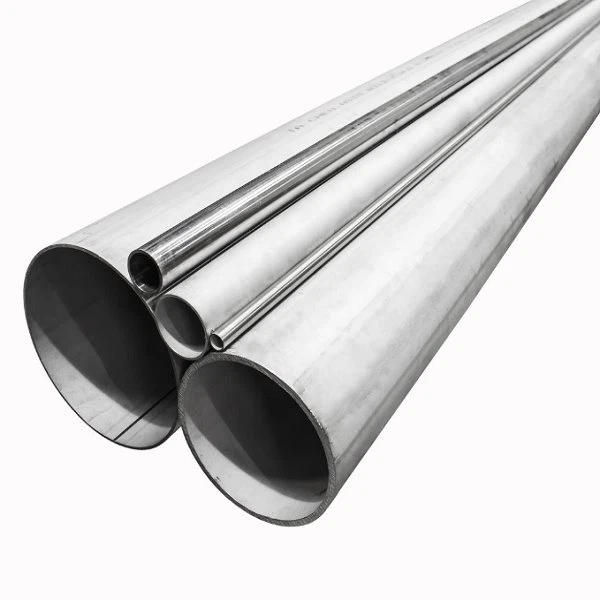

Stainless steel pipes used in the food and beverage industry are typically made from high-quality grades such as 304 or 316 stainless steel. These grades have excellent corrosion resistance and are easy to clean and sanitize. The impact resistance of the pipes ensures that they can withstand the normal wear and tear associated with the operation of a food processing plant, such as the movement of equipment or the handling of containers.
Testing and Evaluation of Impact Resistance
To ensure the quality and performance of stainless steel pipes, various testing methods are used to evaluate their impact resistance. One of the most common tests is the Charpy impact test. In this test, a notched specimen of the stainless steel pipe is struck by a pendulum hammer, and the energy absorbed during the fracture is measured. The higher the energy absorbed, the better the impact resistance of the material.
Another test method is the drop weight test. In this test, a heavy weight is dropped onto a specimen of the stainless steel pipe from a specified height, and the damage to the pipe is evaluated. The drop weight test can simulate real-world impacts, such as those that may occur during transportation or installation of the pipes.
In addition to these standardized tests, some manufacturers may also conduct in-house testing to ensure that their products meet the specific requirements of their customers. These tests may include simulating the actual operating conditions of the pipes, such as high-pressure or high-temperature environments.
Conclusion
The impact resistance of stainless steel pipes is a critical property that affects their performance and suitability for various applications. As a stainless steel pipe supplier, I understand the importance of providing high-quality pipes with excellent impact resistance. By carefully selecting the appropriate grade of stainless steel, manufacturing process, and pipe dimensions, we can ensure that our customers receive pipes that meet their specific needs.
Whether you're in the construction, oil and gas, food and beverage, or any other industry, the right stainless steel pipe with good impact resistance can make a significant difference in the reliability and longevity of your systems. If you're interested in learning more about our stainless steel pipes or need assistance in selecting the right product for your application, please don't hesitate to contact us. We're here to help you make the best choice for your project.
References
- ASM Handbook, Volume 1: Properties and Selection: Irons, Steels, and High-Performance Alloys. ASM International.
- ISO 148-1:2016 Metallic materials — Charpy pendulum impact test — Part 1: Test method. International Organization for Standardization.
- API 5L: Specification for Line Pipe. American Petroleum Institute.