

What is the gasket selection for Carbon Slip On Flanges?
Aug 21, 2025
When it comes to Carbon Slip On Flanges, one of the most critical aspects that often gets overlooked is the selection of the appropriate gasket. As a trusted Carbon Slip On Flange supplier, I understand the importance of this choice and its impact on the overall performance and safety of piping systems. In this blog, I will delve into the key factors to consider when selecting gaskets for Carbon Slip On Flanges.
Understanding Carbon Slip On Flanges
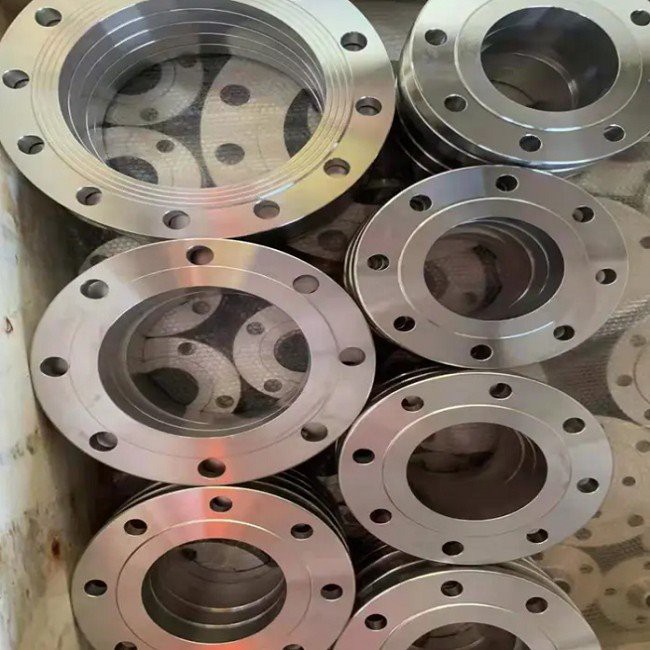
Before we jump into gasket selection, let's briefly review what Carbon Slip On Flanges are. These flanges are a type of pipe flange that are slipped over the pipe and then welded in place. They are popular due to their ease of installation and relatively low cost compared to other types of flanges. Carbon Slip On Flanges are commonly used in a variety of industries, including oil and gas, chemical processing, and water treatment.
Factors Affecting Gasket Selection
1. Operating Conditions
The first and most important factor to consider is the operating conditions of the piping system. This includes temperature, pressure, and the nature of the fluid being transported.
- Temperature: High temperatures can cause gaskets to lose their elasticity and sealability. For example, in a steam system where temperatures can reach several hundred degrees Celsius, a gasket made of materials like graphite or ceramic fiber may be required. On the other hand, for low - temperature applications such as refrigeration systems, neoprene or EPDM gaskets may be more suitable.
- Pressure: High - pressure systems demand gaskets that can withstand the force exerted by the fluid. Metal gaskets, such as spiral wound gaskets with a metal core, are often used in high - pressure applications because they can provide a reliable seal under extreme pressure conditions.
- Fluid Compatibility: Different fluids can react with gasket materials. For instance, if the fluid is corrosive, like acids or alkalis, a gasket made of a corrosion - resistant material such as PTFE (Polytetrafluoroethylene) should be selected. In a hydrocarbon - based fluid system, nitrile rubber gaskets are a common choice as they have good resistance to oils and fuels.
2. Flange Surface Finish
The surface finish of the Carbon Slip On Flange also plays a crucial role in gasket selection. A rough flange surface may require a gasket with more compressibility to fill in the irregularities and create a proper seal. Conversely, a smooth flange surface can work well with a thinner and less compressible gasket. The flange's surface flatness and parallelism also need to be considered. Any warping or unevenness in the flange can prevent the gasket from sealing properly.
3. Gasket Material Properties
There are various gasket materials available, each with its own set of properties.
- Elastomers: Elastomeric gaskets, such as rubber gaskets, are known for their high compressibility and good sealing performance at low pressures. They are also relatively inexpensive. However, they may not be suitable for high - temperature or highly corrosive applications.
- Fiber - Based Materials: Fiber gaskets, like those made from asbestos (although asbestos is now restricted due to health concerns) or non - asbestos fiber materials, offer good resistance to heat and chemicals. They are often used in medium - pressure and medium - temperature applications.
- Metal - Based Materials: Metal gaskets, including ring gaskets and spiral wound gaskets, are designed for high - pressure and high - temperature applications. They can withstand extreme conditions and provide a long - lasting seal.
Common Gasket Types for Carbon Slip On Flanges
1. Non - Asbestos Fiber Gaskets
These gaskets are a popular alternative to asbestos gaskets. They are made from a combination of synthetic fibers, fillers, and binders. Non - asbestos fiber gaskets are suitable for a wide range of applications, including water, steam, and some chemical services. They offer good compressibility and sealing performance at moderate temperatures and pressures.
2. Spiral Wound Gaskets
Spiral wound gaskets consist of a metal strip and a filler material wound together in a spiral pattern. The metal strip provides strength and resilience, while the filler material (such as graphite or PTFE) provides the sealing function. These gaskets are commonly used in high - pressure and high - temperature applications, such as in refineries and power plants.
3. Ring Gaskets
Ring gaskets, also known as RTJ (Ring Type Joint) gaskets, are used in high - pressure applications. They are typically made of metal and are designed to fit into a groove on the flange face. The metal - to - metal contact between the gasket and the flange provides a reliable seal under extreme pressure conditions.
Comparing with Other Flange Types
It's also important to note that the gasket selection for Carbon Slip On Flanges may differ from other flange types. For example, Stainless Steel Slip On Flange may require different gaskets due to the differences in material properties and surface finish. Stainless steel flanges are more corrosion - resistant than carbon steel flanges, so gaskets that are compatible with stainless steel's surface and the potential corrosive environments it may be exposed to need to be chosen. Similarly, 304 316 310 Ss Slip On Flange and SS316L Stainless Steel Slip On Flange have their own unique characteristics that influence gasket selection.
Installation and Maintenance Considerations
Proper installation of the gasket is as important as its selection. During installation, the gasket should be centered on the flange face, and the bolts should be tightened evenly in a criss - cross pattern to ensure uniform compression of the gasket. Over - tightening the bolts can damage the gasket, while under - tightening can lead to leaks.

Regular maintenance and inspection of the gasket are also necessary. Check for signs of wear, corrosion, or leakage during routine maintenance. If any issues are detected, the gasket should be replaced promptly to prevent system failures.
Conclusion
Selecting the right gasket for Carbon Slip On Flanges is a complex but essential task. It requires a thorough understanding of the operating conditions, flange surface finish, and gasket material properties. As a Carbon Slip On Flange supplier, I am committed to providing not only high - quality flanges but also the necessary expertise to help our customers make the best gasket selection for their specific applications.
If you are in the process of selecting Carbon Slip On Flanges and gaskets for your project, I encourage you to reach out for more information and to discuss your specific requirements. We can work together to ensure that you have the optimal solution for your piping system.
References
- "Handbook of Piping Design" by George A. Antaki
- "Flange and Gasket Technology" by the Fluid Sealing Association