

What is the definition of Slip Blind?
Oct 09, 2025
Hey there! I'm a supplier of Slip Blinds, and today I'm gonna break down what a Slip Blind is all about.
Let's start from the basics. A Slip Blind is a type of flange that's used in piping systems. Its main job is to block off the end of a pipe, stopping the flow of fluid or gas. You can think of it as a big, round cap that seals the pipe tight.
One of the cool things about Slip Blinds is how easy they are to install. Unlike some other types of flanges that need to be welded directly to the pipe, Slip Blinds can simply be slipped over the end of the pipe. This makes them a popular choice when you need a quick and hassle - free way to close off a pipe.
Now, let's talk about the structure. A Slip Blind is usually a flat, circular disc with holes around the edge. These holes are used to bolt the Slip Blind to another flange on the pipe. The bolts create a tight seal, preventing any leaks. And because it's a flat design, it can fit neatly against the end of the pipe or another flange, making a secure connection.
The materials used to make Slip Blinds are also quite important. They can be made from a variety of metals, such as carbon steel, stainless steel, and alloy steel. Each material has its own set of properties. For example, stainless steel is great because it's resistant to corrosion. If your piping system is dealing with corrosive substances like chemicals or saltwater, a Stainless Steel Forged RF Blind Flange would be a top - notch choice.
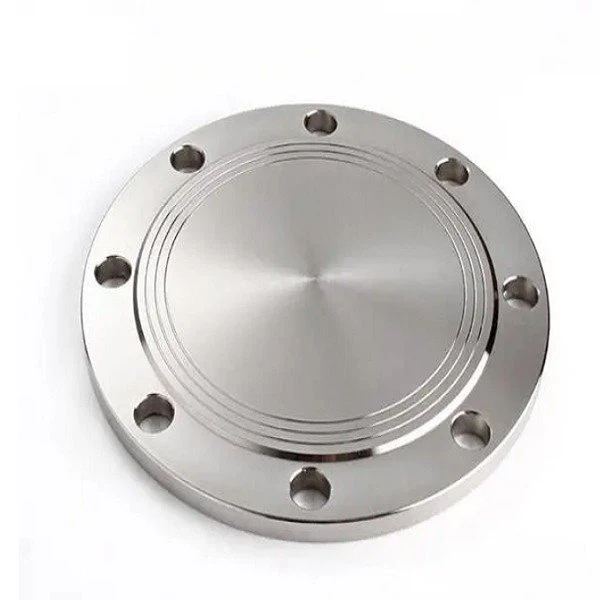

Carbon steel, on the other hand, is strong and relatively inexpensive. It's a common choice for general industrial applications where corrosion isn't a major concern. Alloy steel combines the best of both worlds, offering high strength and good corrosion resistance.
In terms of applications, Slip Blinds are used in a wide range of industries. In the oil and gas industry, they're used to isolate sections of pipelines during maintenance or when a particular part of the system needs to be shut down. In chemical plants, Slip Blinds help to control the flow of different chemicals, ensuring that they don't mix where they shouldn't.
The food and beverage industry also uses Slip Blinds. Since hygiene is crucial in this industry, Slip Blinds made from materials like stainless steel are used to keep the pipes clean and prevent contamination.
When it comes to sizing, Slip Blinds come in different diameters and thicknesses. The size you choose depends on the size of the pipe you're working with and the pressure requirements of the system. A larger pipe will obviously need a bigger Slip Blind, and a system with high pressure will require a thicker and stronger one.
Another aspect to consider is the pressure rating of Slip Blinds. This indicates how much pressure the Slip Blind can withstand without failing. You need to make sure that the pressure rating of the Slip Blind matches the pressure of the fluid or gas in the piping system. If the pressure rating is too low, there's a risk of the Slip Blind leaking or even bursting, which can be extremely dangerous.
Now, let's compare Slip Blinds with other types of flanges. For instance, a Pipe Blind Flange is similar in that it also blocks the end of a pipe. However, Pipe Blind Flanges are usually welded directly to the pipe, which means they're a more permanent solution. Slip Blinds, as I mentioned earlier, are removable, which gives you more flexibility.
If you're in the market for Slip Blinds, you'll find that there are different standards they need to meet. Some of the common standards include ASME, API, and DIN. These standards ensure that the Slip Blinds are of high quality and meet the safety requirements of different industries.
As a Slip Blind supplier, I know how important it is to have reliable products. That's why I make sure that all the Slip Blinds I offer are made to the highest standards. Whether you need a small - sized Slip Blind for a home plumbing project or a large - scale one for an industrial application, I've got you covered.
When you're choosing a Slip Blind, it's also a good idea to consider the finish. A smooth finish can help prevent the buildup of dirt and debris, which is especially important in industries where cleanliness is key.
In addition, the gaskets used with Slip Blinds are crucial. Gaskets are used to create an extra - tight seal between the Slip Blind and the pipe flange. There are different types of gaskets, such as rubber gaskets and spiral - wound gaskets. The type of gasket you choose depends on the application and the type of fluid or gas in the system.
I've seen firsthand how a good Slip Blind can make a big difference in a piping system. It can save time during installation and maintenance, and it can also prevent costly leaks and downtime.
If you're involved in any project that requires blocking off pipes, I highly recommend considering Slip Blinds. They're a versatile, reliable, and cost - effective solution. Whether you're a DIY enthusiast working on a small plumbing job or an engineer in charge of a large industrial project, Slip Blinds are definitely worth looking into.
So, if you're interested in purchasing Slip Blinds, don't hesitate to reach out. I'm here to help you find the right Slip Blinds for your specific needs. Whether you have questions about sizing, materials, or pressure ratings, I've got the knowledge and experience to guide you through the process. Let's have a chat and see how we can work together to get your piping system in top shape.
References
- ASME Standards for Pipe Flanges
- API Guidelines for Oil and Gas Pipeline Components
- DIN Specifications for Industrial Flanges