

What is the bolt pattern of a Slip On Flange?
Jun 12, 2025
What is the bolt pattern of a Slip On Flange?
As a trusted supplier of Slip On Flanges, I've encountered numerous inquiries regarding the bolt pattern of these essential components. Understanding the bolt pattern is crucial for ensuring proper installation, compatibility, and functionality in various piping systems. In this blog post, I'll delve into the details of the bolt pattern of a Slip On Flange, its significance, and how it impacts your piping projects.
Understanding Slip On Flanges
Before we dive into the bolt pattern, let's briefly review what a Slip On Flange is. A Slip On Flange is a type of flange that slides over the end of a pipe and is then welded in place. It is one of the most commonly used flanges in piping systems due to its ease of installation and cost - effectiveness. Slip On Flanges are available in a variety of materials, including carbon steel, stainless steel, and alloy steel, to suit different applications and environments.
The Importance of Bolt Pattern
The bolt pattern of a Slip On Flange refers to the arrangement and size of the bolt holes on the flange face. It is a critical specification because it determines how the flange will be connected to other components in the piping system, such as valves, pumps, or other flanges. A proper bolt pattern ensures a secure and leak - free connection, which is essential for the safety and efficiency of the entire system.

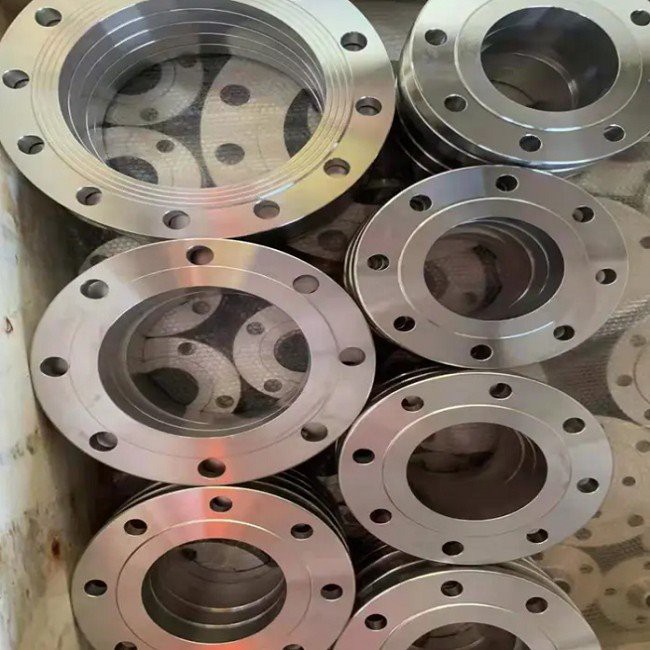
Components of a Bolt Pattern
- Number of Bolt Holes: The number of bolt holes in a Slip On Flange can vary depending on the size and pressure rating of the flange. Smaller flanges may have 4 or 8 bolt holes, while larger flanges can have 12, 16, or more. The number of bolt holes is determined by industry standards and is designed to distribute the clamping force evenly around the flange face.
- Bolt Hole Diameter: The diameter of the bolt holes is also an important factor. It must be large enough to accommodate the bolts used for the connection, but not so large that it compromises the integrity of the flange. The bolt hole diameter is typically specified in industry standards and is related to the size of the bolts.
- Pitch Circle Diameter (PCD): The Pitch Circle Diameter is the diameter of the circle that passes through the center of all the bolt holes. It is a key dimension in the bolt pattern because it determines the spacing between the bolt holes. A consistent PCD ensures that the bolts are evenly spaced around the flange face, which is crucial for a balanced clamping force.
Industry Standards for Bolt Patterns
There are several international standards that govern the bolt patterns of Slip On Flanges. Some of the most widely used standards include:
- ASME B16.5: This is the American Society of Mechanical Engineers standard for pipe flanges and flanged fittings. It covers a wide range of flange sizes and pressure ratings and provides detailed specifications for the bolt patterns.
- EN 1092 - 1: This is the European standard for flanges. It is used in many countries in Europe and provides similar specifications for flange dimensions and bolt patterns.
Examples of Bolt Patterns
Let's take a look at some common bolt patterns for different sizes of Slip On Flanges:
- Small - sized Flanges: For a small - sized Slip On Flange with a nominal pipe size (NPS) of 1/2 inch and a pressure rating of 150 lb, the bolt pattern may consist of 4 bolt holes with a bolt hole diameter of 9/16 inch and a PCD of 2 3/8 inches.
- Medium - sized Flanges: A medium - sized Slip On Flange with an NPS of 4 inches and a pressure rating of 300 lb may have 8 bolt holes with a bolt hole diameter of 7/8 inch and a PCD of 7 1/2 inches.
- Large - sized Flanges: For a large - sized Slip On Flange with an NPS of 12 inches and a pressure rating of 600 lb, the bolt pattern may consist of 16 bolt holes with a bolt hole diameter of 1 1/8 inches and a PCD of 18 1/2 inches.
Impact of Bolt Pattern on Compatibility
The bolt pattern of a Slip On Flange is a key factor in determining its compatibility with other components in the piping system. If the bolt pattern of two flanges does not match, they cannot be directly connected. In such cases, adapters or special fittings may be required, which can add to the cost and complexity of the installation.
Our Product Range
As a Slip On Flange supplier, we offer a wide range of products with different bolt patterns to meet the diverse needs of our customers. Our product range includes PN10 PN16 Slip On Flange, which are suitable for medium - pressure applications. We also provide Stainless Steel Slip On Flange for applications where corrosion resistance is required. Additionally, our 304 316 310 Ss Slip On Flange are made from high - quality stainless steel materials, which offer excellent strength and durability.
Conclusion
In conclusion, the bolt pattern of a Slip On Flange is a critical specification that plays a vital role in the proper installation and functionality of piping systems. Understanding the components of the bolt pattern, industry standards, and their impact on compatibility is essential for anyone involved in piping projects.
If you are in the market for Slip On Flanges and need assistance with choosing the right bolt pattern for your application, please feel free to contact us. Our team of experts is ready to provide you with the technical support and high - quality products you need for your project.
References
- ASME B16.5 - Pipe Flanges and Flanged Fittings
- EN 1092 - 1 - Flanges - Part 1: Steel Flanges