

What are the requirements for the flatness of Slip Blind?
Nov 27, 2025
Hey there! As a supplier of Slip Blind, I've been getting a lot of questions about the flatness requirements for these essential components. So, I thought I'd sit down and write this blog to share some insights.
First off, let's talk about what Slip Blind is. A Slip Blind is a type of flange that's used to block off a pipeline. It's slipped over the pipe and then bolted in place. They're super useful in a variety of industries, from oil and gas to chemical processing.
Now, flatness is a big deal when it comes to Slip Blind. Why? Well, a flat Slip Blind ensures a proper seal between the flange and the pipe. If the Slip Blind isn't flat, it can lead to all sorts of problems. Leaks are the most obvious one. A leaky pipeline can be a huge headache, not to mention a safety hazard. It can also lead to loss of product, which is a major cost for any business.
So, what are the actual requirements for the flatness of Slip Blind? Well, it depends on a few factors. One of the main factors is the application. Different industries have different standards and requirements. For example, in the oil and gas industry, where safety is of utmost importance, the flatness requirements are usually pretty strict.
The American Society of Mechanical Engineers (ASME) has some standards for flange flatness. ASME B16.5 is a widely recognized standard that covers pipe flanges and flanged fittings. According to this standard, the flatness of a flange should be within a certain tolerance. The tolerance is usually measured in thousandths of an inch. For a Slip Blind, the flatness tolerance might be around ±0.002 inches per inch of diameter. So, if you have a 10-inch diameter Slip Blind, the flatness should be within ±0.02 inches.
Another factor that affects the flatness requirements is the type of gasket that's used. Gaskets are used to create a seal between the Slip Blind and the pipe. Different gaskets have different requirements for the surface they're sealing against. For example, a soft gasket might be more forgiving when it comes to minor flatness variations, while a metallic gasket might require a very flat surface.
When it comes to manufacturing Slip Blind, we use a variety of techniques to ensure the required flatness. One of the most common techniques is machining. Machining involves using tools like lathes and mills to shape the Slip Blind and make it flat. We also use precision measuring tools to check the flatness during the manufacturing process. This helps us catch any issues early on and make the necessary adjustments.
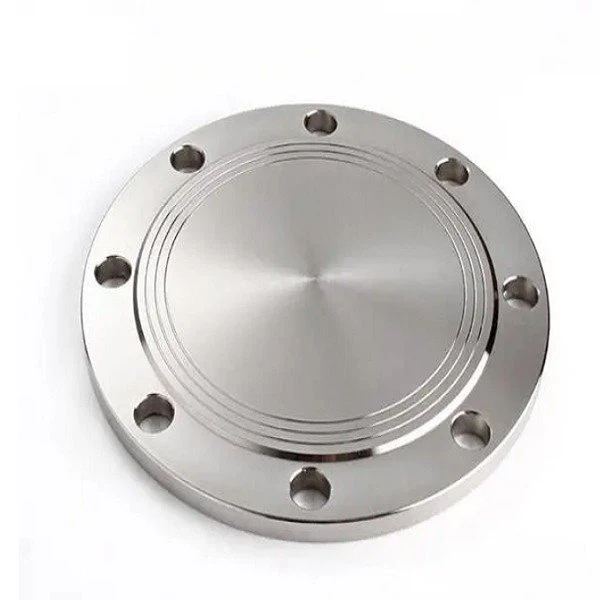

In addition to machining, heat treatment can also play a role in achieving the right flatness. Heat treatment can help relieve internal stresses in the material, which can affect the flatness. By carefully controlling the heat treatment process, we can ensure that the Slip Blind maintains its flatness over time.
Now, let's talk about some of the challenges we face as a Slip Blind supplier when it comes to flatness. One of the biggest challenges is ensuring consistency. Every Slip Blind we produce needs to meet the same flatness requirements. This means having strict quality control measures in place. We have to check each and every Slip Blind to make sure it meets the standards.
Another challenge is dealing with different sizes and materials. Slip Blind come in a wide range of sizes, from small ones used in residential plumbing to large ones used in industrial pipelines. Different materials also have different properties that can affect the flatness. For example, stainless steel might have different machining characteristics compared to carbon steel.
As a supplier, we also need to stay up-to-date with the latest industry standards and regulations. The requirements for flatness can change over time, and we need to make sure that our products always meet the current standards. This means investing in research and development and training our staff to use the latest techniques and technologies.
If you're in the market for Slip Blind, it's important to choose a supplier who understands the flatness requirements. You want a supplier who has the expertise and the equipment to produce high-quality Slip Blind that meet the standards. At our company, we take pride in our ability to produce Slip Blind with the right flatness. We have a team of experienced engineers and technicians who are dedicated to ensuring the quality of our products.
We also offer a wide range of Pipe Blind Flange and Stainless Steel Forged RF Blind Flange. These products also have their own flatness requirements, and we make sure to meet them all.
If you're interested in learning more about our Slip Blind or have any questions about the flatness requirements, don't hesitate to reach out. We're always happy to help and can provide you with all the information you need. Whether you're a small business or a large corporation, we can work with you to find the right Slip Blind for your needs.
In conclusion, the flatness of Slip Blind is a crucial factor that can affect the performance and safety of a pipeline. It's important to understand the requirements and choose a supplier who can meet those requirements. We're here to provide you with high-quality Slip Blind that meet the industry standards. So, if you're looking for a reliable supplier, give us a chance to show you what we can do.
References:
- American Society of Mechanical Engineers (ASME) B16.5 - Pipe Flanges and Flanged Fittings