

How to prevent loosening of blind flange bolts?
Jan 14, 2026
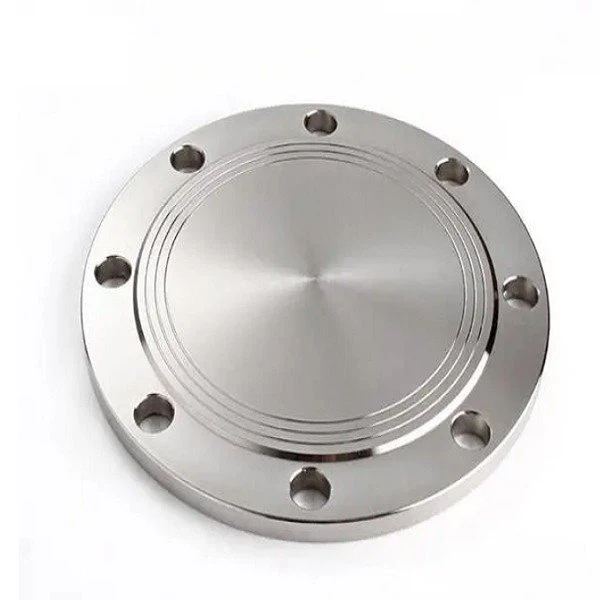
Hey there! As a supplier of Blind Flanges, I've seen my fair share of issues with bolt loosening in these critical components. It's a common problem that can lead to some serious consequences, from leaks in piping systems to possible equipment damage and safety hazards. So, in this blog post, I'm gonna share some practical tips on how to prevent the loosening of blind flange bolts.
Understand the Causes of Bolt Loosening
Before we get into the preventative measures, it's important to know why bolts loosen in the first place. One of the main reasons is vibration. In industrial settings, pipes and equipment often experience a fair amount of vibration, which can gradually cause the bolts to shake loose. Another culprit is thermal expansion and contraction. When the temperature of the piping system changes, the materials expand and contract, putting stress on the bolts. Also, improper installation, like incorrect torqueing or using the wrong type of bolts, can lead to early loosening.
Proper Installation
Let's start with the installation process because it's a make - or - break moment for preventing bolt loosening. First off, you need to use the right tools. A torque wrench is an absolute must. It allows you to apply the correct amount of torque to the bolts as specified by the manufacturer. Over - tightening can damage the bolts and the flange surface, while under - tightening will make the joint unstable.
When installing the bolts, make sure they are clean and free from any dirt, grease, or corrosion. Any contaminants can affect the thread engagement and the clamping force. Also, check the flange surfaces for flatness and smoothness. If the flange surfaces are uneven, the bolts won't be able to distribute the clamping force evenly, increasing the risk of loosening.
Select the Right Bolts
Not all bolts are created equal. You need to choose bolts that are suitable for the specific application. Consider factors like the material of the blind flange, the operating temperature, and the pressure of the system. For example, if you're dealing with high - temperature applications, you might need bolts made of heat - resistant materials like stainless steel.
We offer a wide range of high - quality blind flanges and compatible bolts, such as Pipe Blind Flange, Slip Blind, and Stainless Steel Forged RF Blind Flange. These products are designed to meet different industry standards and requirements, ensuring a reliable and long - lasting connection.
Use Locking Devices
Locking devices are a great way to add an extra layer of security to your blind flange bolts. There are several types of locking devices available, and each has its own advantages.
One popular option is the lock washer. Lock washers work by creating tension between the nut and the flange surface, preventing the nut from rotating. There are different types of lock washers, such as split lock washers and toothed lock washers. Split lock washers are the most common type and are relatively inexpensive. Toothed lock washers provide a better anti - rotation effect, especially in high - vibration applications.
Another option is the nylon - inserted locknut. These nuts have a nylon insert that creates friction against the bolt threads, holding the nut in place. They are easy to install and remove and can be reused multiple times, making them a cost - effective solution.
Regular Inspections and Maintenance
Even if you've installed the bolts correctly and used locking devices, regular inspections are still crucial. Inspect the bolts and flanges periodically for signs of wear, corrosion, or loosening. Look for any leakage around the flange joints, as this can be an indication of bolt loosening.
If you notice any issues, take immediate action. Tighten any loose bolts to the correct torque using a torque wrench. If the bolts are severely corroded or damaged, replace them as soon as possible. Also, check the locking devices to make sure they are still functioning properly. Replace any worn - out or damaged locking devices.
Reduce Vibration
As mentioned earlier, vibration is one of the main causes of bolt loosening. To reduce the impact of vibration, you can take several steps. First, install vibration - damping materials, such as rubber pads or gaskets, between the flange and the adjacent equipment. These materials can absorb some of the vibration energy and prevent it from transferring to the bolts.
Another way is to adjust the piping system to minimize vibration. Make sure the pipes are properly supported and aligned. Avoid sharp bends and sudden changes in the direction of the pipes, as these can create turbulence and increase vibration.
Thermal Management
To deal with thermal expansion and contraction, you need to manage the temperature changes in the system. One way to do this is to use thermal insulation on the pipes. Insulation can help to maintain a more stable temperature within the piping system, reducing the stress on the bolts caused by thermal cycling.

You can also design the system with expansion joints. Expansion joints are flexible components that can absorb the movement caused by thermal expansion and contraction, protecting the bolts and the flanges from excessive stress.
Training and Education
Finally, it's important to ensure that the people involved in the installation, operation, and maintenance of the blind flanges are properly trained. They should understand the importance of proper installation techniques, the selection of the right bolts and locking devices, and the need for regular inspections.
By providing training and education, you can reduce the risk of human error, which is often a contributing factor to bolt loosening.
In conclusion, preventing the loosening of blind flange bolts requires a combination of proper installation, the right selection of bolts and locking devices, regular inspections and maintenance, and effective management of vibration and thermal effects. As a Blind Flange supplier, we're here to provide you with high - quality products and the expertise you need to keep your piping systems safe and reliable.
If you're interested in our products or have any questions about preventing bolt loosening, feel free to reach out to us. We're always happy to have a chat and help you find the best solutions for your specific needs.
References
- "Piping Handbook" by Nayyar, S. K.
- Industry standards and guidelines related to flange installation and maintenance.