

How to prevent corrosion on Pipe Blind Flanges?
Nov 25, 2025
Hey there! As a supplier of Pipe Blind Flanges, I've seen firsthand how corrosion can mess things up. Corrosion not only shortens the lifespan of these flanges but also poses risks to the overall piping system. In this blog, I'm gonna share some practical ways to prevent corrosion on Pipe Blind Flanges.
Understanding Corrosion
Before we dive into prevention methods, let's quickly understand what corrosion is. Corrosion is basically a chemical reaction between the metal of the flange and its environment. Factors like moisture, chemicals in the fluid flowing through the pipes, and the presence of oxygen can all trigger corrosion. There are different types of corrosion, such as uniform corrosion, pitting corrosion, and crevice corrosion. Uniform corrosion affects the entire surface evenly, while pitting corrosion creates small holes, and crevice corrosion occurs in narrow spaces.
Material Selection
One of the first steps in preventing corrosion is choosing the right material for your Pipe Blind Flanges. Stainless steel is a popular choice because it contains chromium, which forms a thin, protective oxide layer on the surface. This layer acts as a barrier, preventing further corrosion. For instance, our Stainless Steel Forged RF Blind Flange is made from high - quality stainless steel, offering excellent corrosion resistance. If you're dealing with a less corrosive environment, carbon steel can also be an option, but it usually requires additional protective measures like coatings.
Surface Coating
Applying a protective coating to the Pipe Blind Flanges is a cost - effective way to prevent corrosion. There are various types of coatings available.
Epoxy Coatings
Epoxy coatings are widely used because they form a tough, durable barrier against moisture and chemicals. They can be applied to both the inner and outer surfaces of the flanges. Before applying the epoxy coating, the surface of the flange needs to be properly prepared. This usually involves cleaning the surface to remove any dirt, rust, or grease. Sandblasting is a common method for surface preparation as it creates a rough surface for better coating adhesion.
Zinc Coatings
Zinc coatings, such as hot - dip galvanizing, are also effective. Zinc acts as a sacrificial anode, meaning it corrodes first to protect the underlying metal. When the zinc coating is intact, it provides a physical barrier, and even if it gets scratched, the zinc will still protect the metal around the scratch through galvanic action.
Cathodic Protection
Cathodic protection is a technique that uses electrochemical principles to prevent corrosion. There are two main types: sacrificial anode cathodic protection and impressed current cathodic protection.
Sacrificial Anode Cathodic Protection
In this method, a more active metal (like magnesium or zinc) is connected to the Pipe Blind Flange. The more active metal corrodes preferentially, sacrificing itself to protect the flange. This is a relatively simple and cost - effective method, especially for small - scale applications.
Impressed Current Cathodic Protection
For larger systems or in more corrosive environments, impressed current cathodic protection is often used. An external power source is used to supply a direct current to the flange, making it the cathode in an electrochemical cell. This way, the corrosion process is reversed, and the flange is protected.
Proper Installation and Maintenance
How you install and maintain your Pipe Blind Flanges also plays a crucial role in preventing corrosion.

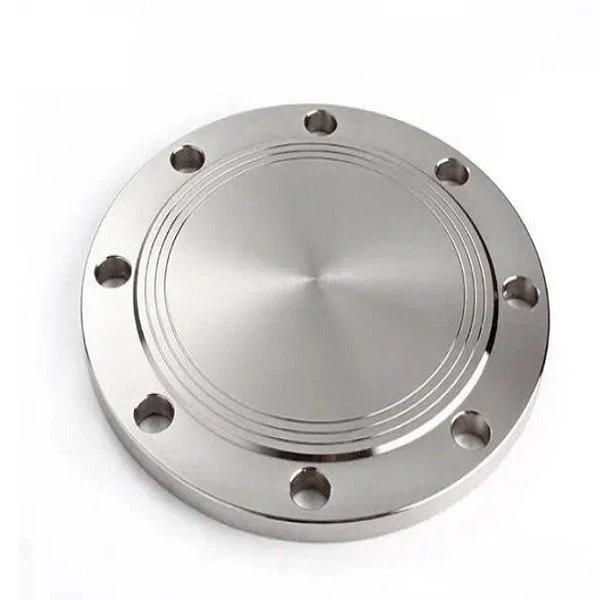
Installation
During installation, make sure the flanges are properly aligned and tightened. Improper alignment can create gaps where moisture and chemicals can accumulate, leading to crevice corrosion. Also, use appropriate gaskets that are compatible with the fluid in the pipes and the environment. For example, if you're dealing with a corrosive chemical, choose a gasket made from a resistant material like PTFE.
Maintenance
Regular inspection is essential. Check for signs of corrosion, such as rust spots, discoloration, or pitting. If you notice any early signs of corrosion, take immediate action. This could involve cleaning the affected area, reapplying a coating, or replacing the flange if the corrosion is severe.
Environmental Control
Controlling the environment around the Pipe Blind Flanges can significantly reduce the risk of corrosion.
Moisture Control
Moisture is one of the main culprits for corrosion. If the flanges are installed in a humid area, consider using dehumidifiers to reduce the moisture content in the air. In outdoor installations, proper drainage systems should be in place to prevent water from pooling around the flanges.
Chemical Control
If the fluid flowing through the pipes contains corrosive chemicals, you may need to adjust the chemical composition. This could involve adding inhibitors to the fluid. Inhibitors are chemicals that slow down the corrosion process by forming a protective film on the metal surface.
Storage
Proper storage of Pipe Blind Flanges before installation is also important. Store them in a dry, clean environment. If possible, cover them with a protective material to prevent dust and moisture from accumulating. Avoid storing them in direct contact with the ground, as this can lead to corrosion from moisture in the soil.
In conclusion, preventing corrosion on Pipe Blind Flanges requires a combination of material selection, protective coatings, cathodic protection, proper installation, maintenance, environmental control, and storage. By following these steps, you can ensure that your Pipe Blind Flanges last longer and perform better.
If you're in the market for high - quality Pipe Blind Flanges or Slip Blinds, feel free to reach out for a purchase negotiation. We're here to provide you with the best products and solutions for your piping system needs.
References
- Fontana, M. G. (1986). Corrosion Engineering. McGraw - Hill.
- Uhlig, H. H., & Revie, R. W. (1985). Corrosion and Corrosion Control. Wiley - Interscience.