

How to ensure the alignment of Carbon Slip On Flanges in pipeline systems?
Jul 21, 2025
Hey there! As a Carbon Slip On Flange supplier, I've seen firsthand how crucial it is to ensure proper alignment in pipeline systems. Misaligned flanges can lead to all sorts of problems, from leaks and vibrations to reduced system efficiency and even potential safety hazards. In this blog post, I'll share some tips and tricks on how to ensure the alignment of Carbon Slip On Flanges in pipeline systems.
Understanding the Basics of Carbon Slip On Flanges
Before we dive into alignment techniques, let's quickly go over what Carbon Slip On Flanges are. These flanges are a type of pipe flange that slides over the end of a pipe and is then welded in place. They're commonly used in a variety of industries, including oil and gas, chemical processing, and water treatment, because they're relatively easy to install and provide a reliable connection.
Why Alignment Matters
Proper alignment of Carbon Slip On Flanges is essential for several reasons. First and foremost, it ensures a tight and leak-free seal between the flange and the pipe. When flanges are misaligned, the gasket between them may not be compressed evenly, which can lead to leaks. Leaks can not only waste valuable resources but also pose a safety risk, especially in industries where hazardous materials are being transported.
Secondly, aligned flanges help to reduce stress on the pipeline system. Misaligned flanges can cause uneven loading on the pipes, which can lead to premature wear and tear, cracking, and even pipe failure. By ensuring proper alignment, you can extend the lifespan of your pipeline system and reduce the need for costly repairs and replacements.
Tools and Equipment Needed
To ensure the alignment of Carbon Slip On Flanges, you'll need a few essential tools and equipment. These include:
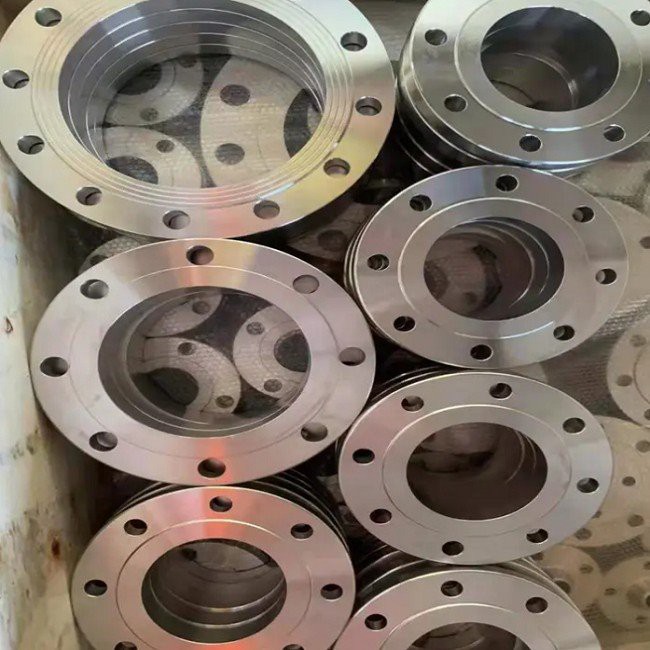
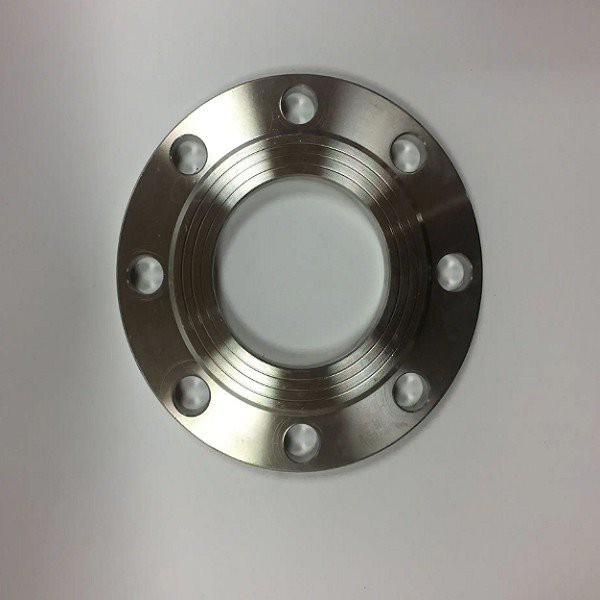
- Flange Alignment Tool: This tool helps to align the bolt holes in the flanges, ensuring that they are perfectly aligned before welding.
- Level: A level is used to ensure that the flanges are horizontal or vertical, depending on the requirements of the pipeline system.
- Welding Equipment: You'll need a welding machine and the appropriate welding rods to weld the flanges to the pipes.
- Measuring Tape: A measuring tape is used to measure the distance between the flanges and ensure that they are the correct distance apart.
- Gasket: A gasket is placed between the flanges to create a seal and prevent leaks. Make sure to choose the right type of gasket for your application.
Steps to Ensure Alignment
Now that you have the necessary tools and equipment, let's go over the steps to ensure the alignment of Carbon Slip On Flanges in pipeline systems.
Step 1: Prepare the Pipes and Flanges
Before you begin the alignment process, make sure that the pipes and flanges are clean and free of any dirt, debris, or rust. Use a wire brush or sandpaper to clean the surfaces of the pipes and flanges, and then wipe them down with a clean cloth.
Step 2: Position the Flanges
Place the Carbon Slip On Flanges over the ends of the pipes and make sure that they are centered and level. Use a level to check the alignment of the flanges, and adjust them as needed. Make sure that the bolt holes in the flanges are aligned with each other and with the bolt holes in the adjacent flanges.
Step 3: Use a Flange Alignment Tool
Once the flanges are positioned correctly, use a flange alignment tool to ensure that the bolt holes are perfectly aligned. Insert the alignment tool into the bolt holes and adjust the flanges until the tool fits snugly. This will help to ensure that the bolts can be inserted easily and that the flanges are properly aligned.
Step 4: Measure the Distance Between the Flanges
Use a measuring tape to measure the distance between the flanges and ensure that they are the correct distance apart. This is important to ensure that the gasket between the flanges is compressed evenly and that a tight seal is created.
Step 5: Install the Gasket
Place the gasket between the flanges and make sure that it is centered and aligned with the bolt holes. The gasket should be made of a material that is compatible with the fluid or gas being transported in the pipeline system.
Step 6: Insert the Bolts
Insert the bolts through the bolt holes in the flanges and tighten them using a wrench. Make sure to tighten the bolts evenly to ensure that the gasket is compressed evenly and that a tight seal is created.
Step 7: Weld the Flanges
Once the bolts are tightened, use a welding machine to weld the flanges to the pipes. Make sure to follow the appropriate welding procedures and use the correct welding rods for the type of material being welded.
Common Alignment Issues and How to Fix Them
Despite your best efforts, you may encounter some alignment issues when installing Carbon Slip On Flanges. Here are some common issues and how to fix them:
- Bolt Hole Misalignment: If the bolt holes in the flanges are not aligned, you can use a flange alignment tool to adjust the flanges until the holes are aligned. If the misalignment is severe, you may need to rework the flanges or replace them.
- Flange Tilt: If the flanges are tilted, you can use a level to adjust them until they are horizontal or vertical. Make sure to check the alignment of the flanges from multiple angles to ensure that they are level.
- Pipe Misalignment: If the pipes are misaligned, you may need to adjust the position of the pipes or use a pipe alignment tool to align them. Make sure to check the alignment of the pipes before welding the flanges to them.
Conclusion
Ensuring the alignment of Carbon Slip On Flanges in pipeline systems is essential for a reliable and leak-free connection. By following the steps outlined in this blog post and using the right tools and equipment, you can ensure that your flanges are properly aligned and that your pipeline system operates safely and efficiently.
If you're in the market for high-quality Carbon Slip On Flanges, check out our SS316L Stainless Steel Slip On Flange, Stainless Steel Slip On Flange, and 304 316 310 Ss Slip On Flange. We offer a wide range of flanges in various sizes and materials to meet your specific needs.
If you have any questions or would like to discuss your flange requirements, please don't hesitate to contact us. We're here to help you find the right solution for your pipeline system.
References
- "Pipe Flanges and Flanged Fittings: Design, Manufacture, and Testing." ASME B16.5.
- "Welding Handbook, Volume 2: Welding Processes." American Welding Society.
- "Pipeline Engineering and Construction: A Practical Approach." C. Y. Chow.