

How long does a stainless steel plate last?
Oct 03, 2025
Hey there! As a supplier of stainless steel plates, I often get asked the question: "How long does a stainless steel plate last?" Well, it's not a one - size - fits - all answer, and there are several factors at play. Let's dig into it.
First off, let's talk about what stainless steel is. Stainless steel is an alloy made up mainly of iron, along with chromium, nickel, and other elements. The chromium in it forms a thin, invisible layer of chromium oxide on the surface. This layer is super important because it acts as a shield, protecting the steel from rust and corrosion.
The grade of stainless steel you choose has a huge impact on its lifespan. For example, the 316l Stainless Steel Plate is known for its excellent corrosion resistance, especially in harsh environments like marine settings. The "L" in 316L stands for low carbon, which reduces the risk of carbide precipitation during welding, making it even more durable. In a normal, indoor environment, a 316L stainless steel plate can last for decades, maybe even over 50 years. But if it's exposed to saltwater or other highly corrosive substances on a regular basis, it can still last 20 - 30 years with proper maintenance.
On the other hand, the 321 Stainless Steel Plate contains titanium, which stabilizes the steel against intergranular corrosion when it's heated. This makes it a great choice for applications where the steel will be exposed to high temperatures. In high - temperature industrial settings, a 321 stainless steel plate can last 15 - 25 years, depending on the exact temperature and the presence of other corrosive agents.
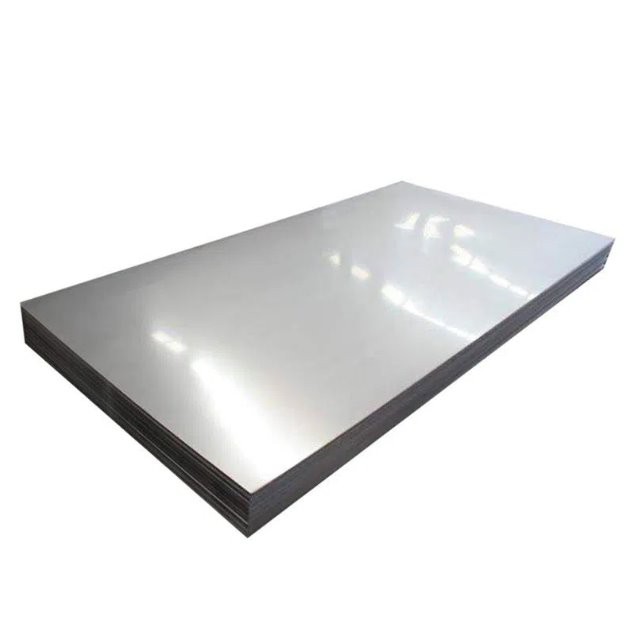
The thickness of the stainless steel plate also matters. Thicker plates generally last longer because they have more material to withstand wear and tear. A thin stainless steel sheet might start showing signs of damage sooner than a thick plate. For instance, a Stainless Steel Sheet Metal 4x8 that's used for light - duty applications like decorative purposes can last 10 - 15 years. But if it's a thick plate used in heavy - duty industrial machinery, it could last 30 years or more.
The environment where the stainless steel plate is used is a major factor. In a clean, dry indoor environment, stainless steel can last a really long time. There's no exposure to rain, humidity, or pollutants that can cause corrosion. However, in an outdoor environment, things get a bit more complicated. If the plate is in an area with high humidity, acid rain, or industrial pollution, its lifespan can be significantly reduced. For example, in a coastal area where there's a lot of salt in the air, the corrosion process can speed up. Even with a high - quality stainless steel grade, the plate might need to be replaced after 15 - 20 years.
Maintenance also plays a crucial role. Regular cleaning can remove dirt, debris, and corrosive substances that might be sitting on the surface of the plate. Using the right cleaning agents is important too. You don't want to use something abrasive that could scratch the surface and damage the protective chromium oxide layer. If you take good care of your stainless steel plate, you can add several years to its lifespan.
Let's take a look at some real - world examples. In the construction of buildings, stainless steel plates are often used for facades. If the building is in a big city with a lot of air pollution, the plates might need to be replaced every 20 - 30 years. But in a rural area with clean air, they could last 40 - 50 years. In the food and beverage industry, stainless steel plates are used for storage tanks and processing equipment. Since these are usually cleaned regularly and are in a relatively controlled environment, they can last 30 - 40 years.
Another aspect to consider is the mechanical stress the plate is subjected to. If the plate is constantly being bent, stretched, or hit, it can develop cracks over time. These cracks can allow corrosive agents to penetrate the surface and reduce the lifespan of the plate. For example, in a manufacturing plant where stainless steel plates are used in conveyor systems, they might experience a lot of mechanical stress. In such cases, the plates might need to be replaced every 10 - 15 years.
Now, if you're in the market for stainless steel plates, it's important to think about your specific needs. Consider the environment where the plate will be used, the level of mechanical stress it will face, and your budget for maintenance. At our company, we offer a wide range of stainless steel plates in different grades, thicknesses, and sizes. We can help you choose the right one for your project to ensure it lasts as long as possible.
If you're interested in purchasing stainless steel plates, whether it's the 316l Stainless Steel Plate, 321 Stainless Steel Plate, or Stainless Steel Sheet Metal 4x8, we're here to assist you. We have a team of experts who can answer all your questions and help you make an informed decision. Don't hesitate to reach out and start a conversation about your stainless steel plate needs.

References:
- "Stainless Steel: A Primer" by the Stainless Steel Information Center
- "Corrosion Resistance of Stainless Steels" in the Journal of Materials Science
- Industry reports on the use and lifespan of stainless steel in different sectors.