

Are Pipe Blind Flanges reusable?
May 28, 2025
Are Pipe Blind Flanges Reusable?
As a supplier of Pipe Blind Flanges, I often get asked whether these essential components are reusable. This is a question that holds significant importance for many industries, from oil and gas to water treatment, where cost - efficiency and sustainability are top priorities. In this blog, I'll delve into the factors that determine the reusability of pipe blind flanges, exploring both the technical and economic aspects.
Understanding Pipe Blind Flanges
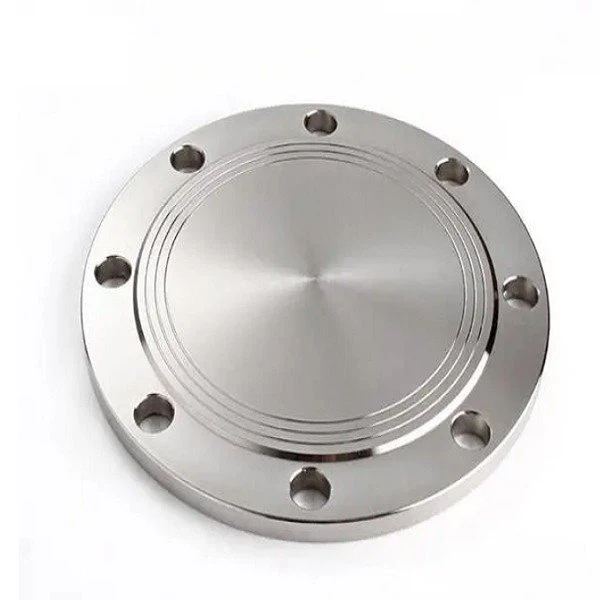
Before we discuss reusability, let's briefly understand what pipe blind flanges are. Pipe blind flanges are used to close the end of a piping system or a vessel. They are designed to withstand high pressures and temperatures, and they come in various types, materials, and sizes. For instance, our Stainless Steel Forged RF Blind Flange is made from high - quality stainless steel, which offers excellent corrosion resistance, making it suitable for harsh environments. Another type is the Slip Blind, which is a flat plate with holes for bolts and is often used for temporary or emergency closures.
Factors Affecting Reusability
1. Material Integrity
The material of the pipe blind flange plays a crucial role in determining its reusability. High - quality materials like stainless steel, carbon steel, and alloy steel are more likely to be reusable compared to lower - grade materials. These materials have better resistance to corrosion, wear, and deformation. For example, stainless steel has a passive oxide layer on its surface that protects it from rusting. However, if the flange has been exposed to highly corrosive substances or extreme temperatures, the material integrity may be compromised. Even a small amount of corrosion can weaken the flange and make it unsafe to reuse.
2. Condition of Sealing Surface
The sealing surface of a pipe blind flange is critical for preventing leaks. If the sealing surface is damaged, scratched, or pitted, it may not create a proper seal when reused. Minor scratches can sometimes be repaired through machining or surface treatment, but significant damage usually means the flange cannot be reused. For instance, in a high - pressure pipeline, even a small imperfection in the sealing surface can lead to a catastrophic leak.
3. Bolt Hole Condition
The bolt holes in a pipe blind flange must be in good condition for reuse. If the bolt holes are stripped, cracked, or deformed, it will be difficult to install the bolts properly, which can affect the overall integrity of the flange connection. Over - tightening or under - tightening of bolts during previous installations can also cause damage to the bolt holes.
4. Service History
The service history of the pipe blind flange is an important factor. If the flange has been used in a critical application with high - pressure, high - temperature, or corrosive substances, it may have experienced more wear and tear. For example, a flange used in an oil refinery's distillation column may be exposed to high - temperature vapors and corrosive chemicals, which can significantly reduce its reusability. On the other hand, a flange used in a low - pressure water system may have a higher chance of being reusable.
Assessing Reusability
To determine whether a pipe blind flange is reusable, a thorough inspection is required. This inspection should include a visual examination of the flange's surface for signs of corrosion, cracks, and damage. Non - destructive testing methods such as ultrasonic testing, magnetic particle testing, or dye penetrant testing can be used to detect internal defects.
The dimensions of the flange, including the diameter, thickness, and bolt hole pattern, should also be measured to ensure they meet the required specifications. If the flange has been machined or modified during its previous use, it may not be suitable for reuse.
Advantages of Reusing Pipe Blind Flanges
There are several advantages to reusing pipe blind flanges. Firstly, it is cost - effective. Purchasing new flanges can be expensive, especially for large - scale projects. Reusing existing flanges can significantly reduce the project cost. Secondly, it is environmentally friendly. By reusing flanges, we reduce the demand for new materials, which in turn reduces the energy consumption and waste associated with the manufacturing process.

Disadvantages and Risks of Reusing Pipe Blind Flanges
However, there are also some disadvantages and risks associated with reusing pipe blind flanges. The main risk is safety. If a reused flange fails, it can lead to leaks, spills, and even explosions in some cases. This can cause serious damage to the equipment, the environment, and human lives. Additionally, reusing flanges may require additional time and resources for inspection, repair, and testing.
When to Reuse and When to Replace
In general, if a pipe blind flange passes the inspection and meets all the required specifications, it can be reused. However, if the flange shows signs of significant damage, corrosion, or deformation, it should be replaced. For critical applications, it is often recommended to use new flanges to ensure maximum safety and reliability.
Our Role as a Supplier
As a Pipe Blind Flange supplier, we understand the importance of providing high - quality products and accurate information to our customers. We can assist our customers in determining whether their existing flanges are reusable or if they need to purchase new ones. We also offer a wide range of pipe blind flanges to meet different application requirements.
If you are considering the reuse of your pipe blind flanges or are in the market for new ones, I encourage you to reach out to us. Our team of experts can provide you with professional advice and help you make the best decision for your project. Whether you need a Stainless Steel Forged RF Blind Flange or a Slip Blind, we have the products and the knowledge to meet your needs.
Conclusion
The reusability of pipe blind flanges depends on several factors, including material integrity, the condition of the sealing surface, bolt hole condition, and service history. While reusing flanges can be cost - effective and environmentally friendly, it also comes with risks. A thorough inspection is necessary to determine whether a flange can be reused safely. As a supplier, we are committed to helping our customers make informed decisions about their pipe blind flange needs. If you have any questions or would like to discuss your requirements, please don't hesitate to contact us.
References
- ASME B16.5 - Standard for Pipe Flanges and Flanged Fittings
- API 6A - Specification for Wellhead and Christmas Tree Equipment
- ASTM A105/A105M - Standard Specification for Carbon Steel Forgings for Piping Applications